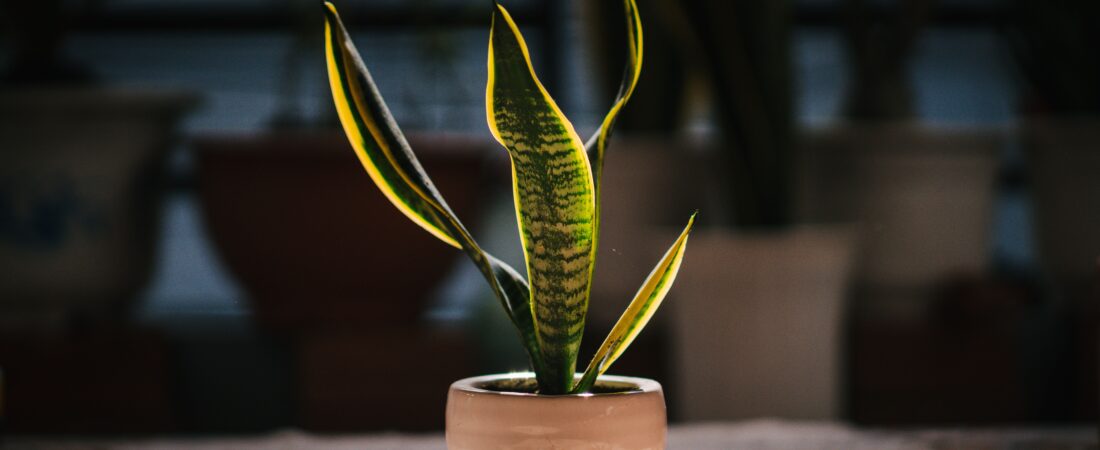
How dark is too dark for a houseplant? Darker than most people expect, as long as it isn’t pitch black. No plant lives without any light at all, since light is what plants turn into food. But a handful of tough houseplants get by on so little that they’re the closest thing to plants that don’t need sunlight: a north window across the room, an overhead lamp in a hallway, a bathroom with a frosted pane.
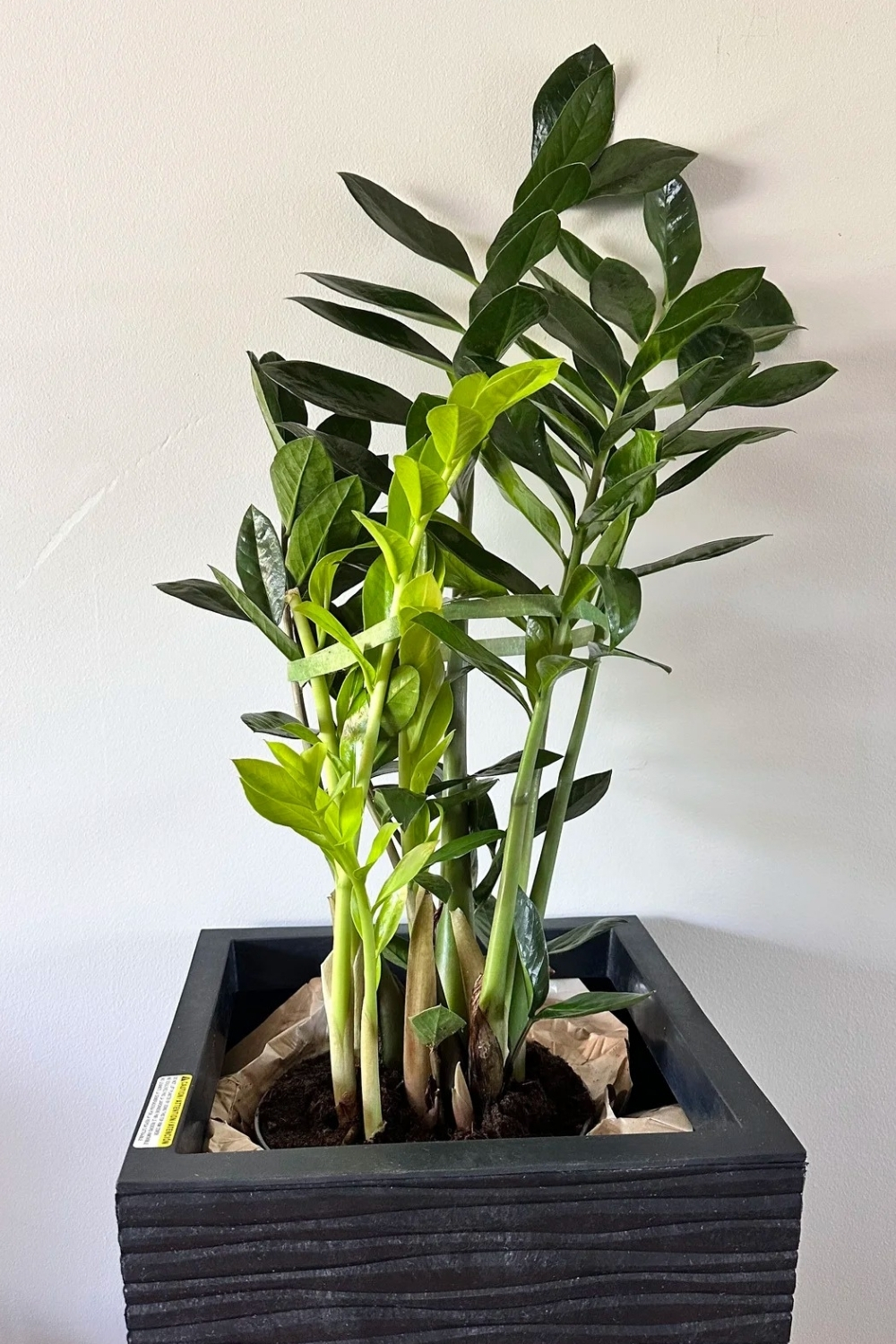
They won’t grow fast in those spots, and that’s fine. A plant that stays green and steady in a dim corner is doing exactly what you want from it.
What low light actually means
Low light is a lot brighter than a dark closet. In plant terms, it means a room with a north-facing window, a spot several feet back from a brighter window, or a room with no window but lights that are on most of the day. According to Plant Addicts’ houseplant sunlight guide, low light starts around 50 foot-candles, a unit for how much light lands on a surface, which is about what an office corridor gets.
You don’t need a meter to check. Hold your hand about a foot above the spot where the plant would sit, on a clear day around noon, and look at its shadow. A crisp shadow means bright light. A soft, blurry shadow means medium light. A faint shadow you can barely see means low light. No shadow at all, and the spot is too dark for any plant without help from a lamp.
Light also fades fast as you move away from a window. A spot 3 feet from a window can get half the light, or less, of the windowsill itself. So “low light” can mean a dark room, or just the far side of a bright one.
The toughest plants that don’t need sunlight
These four handle the darkest spots in a home and forgive a lot of neglect.
ZZ plant
The ZZ plant (Zamioculcas zamiifolia) is probably the best-known plant for dark rooms. Its glossy, dark green leaves look almost polished, and under the soil it grows thick, potato-like roots called rhizomes that store water for weeks. That’s why it shrugs off missed waterings, low humidity and dim light alike. In a dark room it barely grows, maybe a new stem or two a year, but it holds its leaves and color. Water only when the soil is dry all the way down.
Snake plant
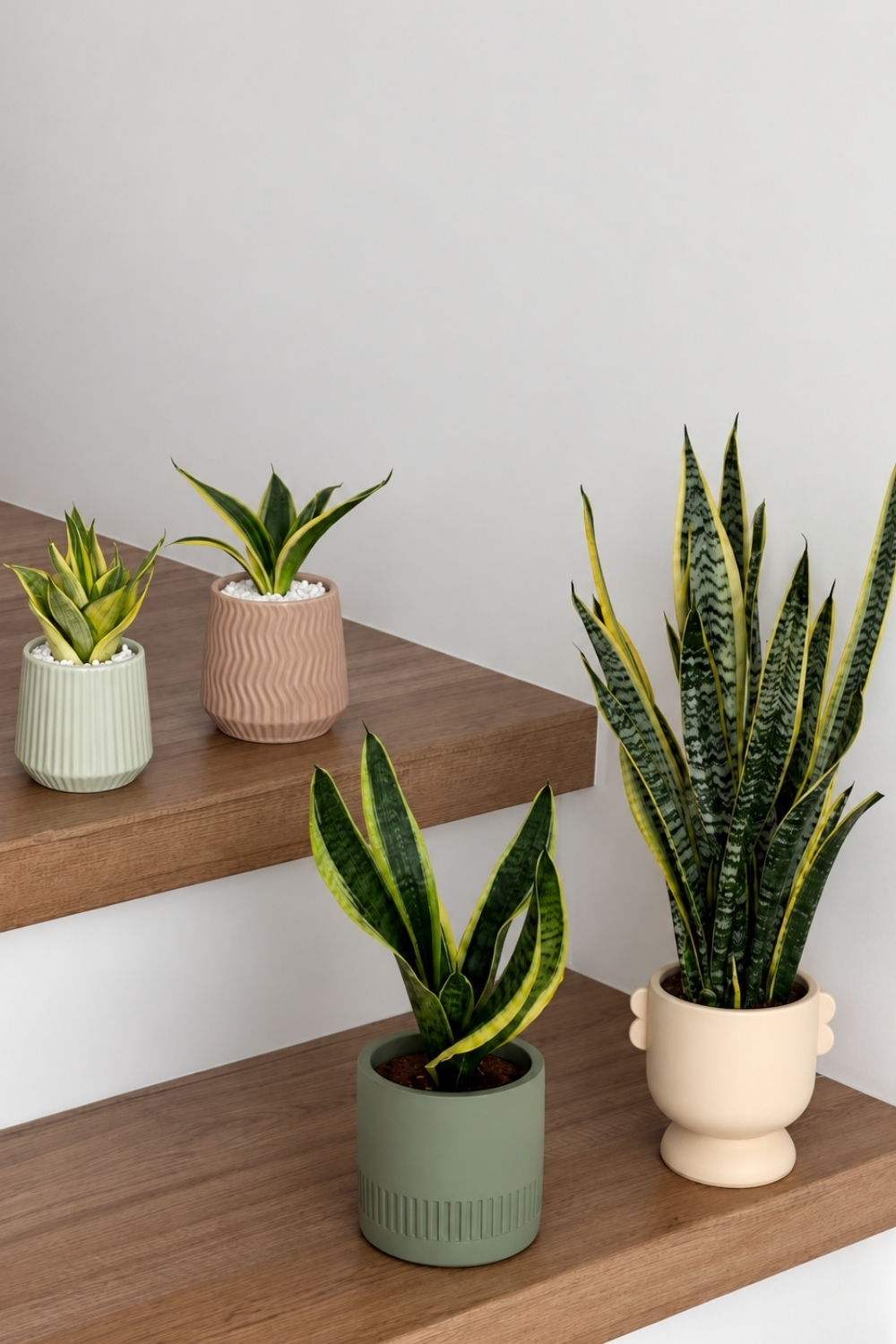
The snake plant (Dracaena trifasciata), still often sold under its old name Sansevieria, grows stiff, upright, sword-shaped leaves, often edged in yellow. It comes in every size, from small rosettes for a shelf to tall plants for a floor. It stores water in its thick leaves, so it needs very little. In a north window, according to Savvy Gardening’s guide to north-facing window plants, watering every 4 to 6 weeks may be enough. More than that, and the roots rot.
Cast iron plant
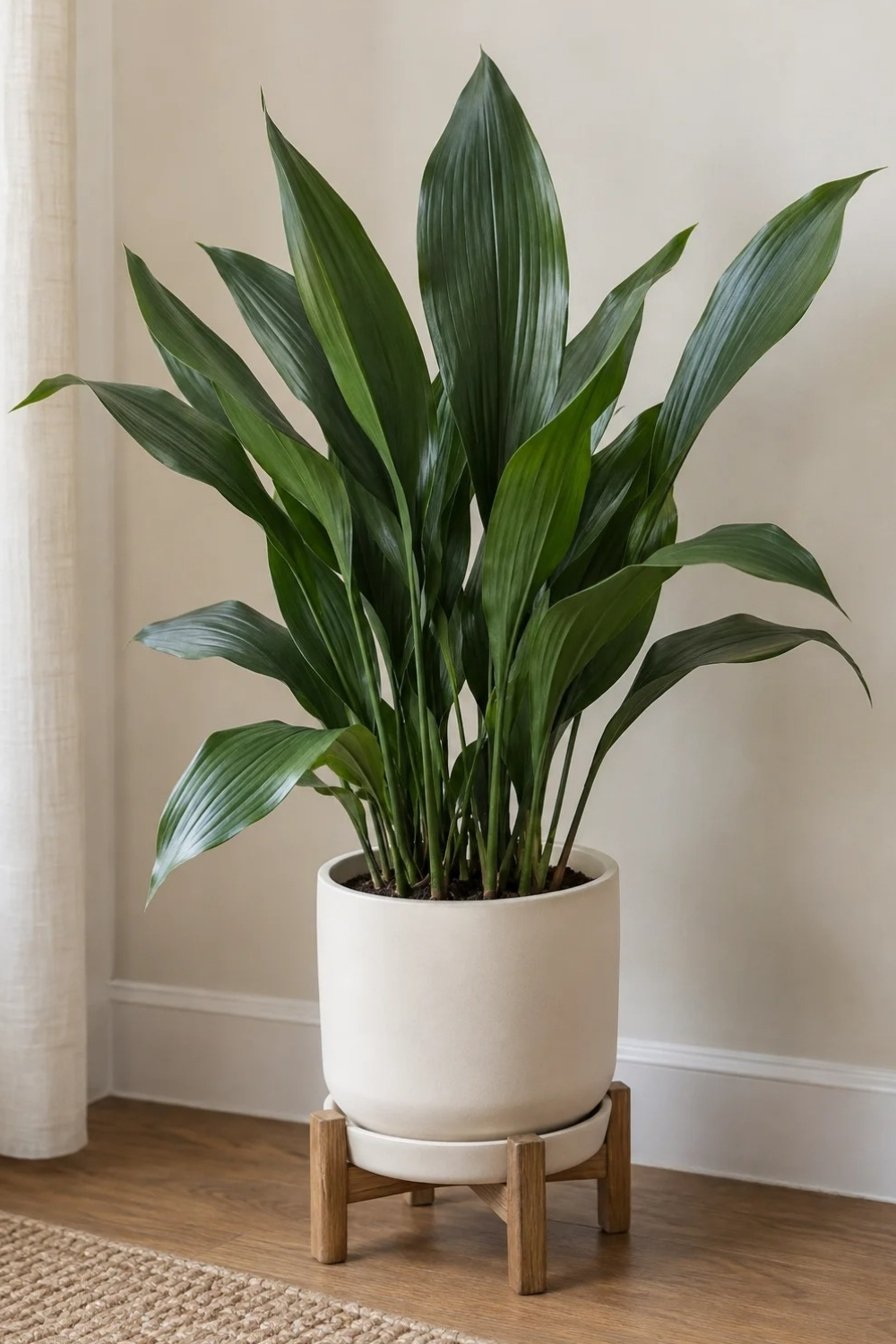
The cast iron plant (Aspidistra elatior) got its name in Victorian homes, where it survived dim parlors, drafts and coal smoke. It grows long, dark green, leathery leaves straight up from the soil, and it grows slowly, often just a few new leaves a year. Low light, cool rooms and irregular watering all suit it. It’s also one of the few low light houseplants that’s listed as safe for cats and dogs, along with the parlor palm, calathea and bird’s nest fern further down.
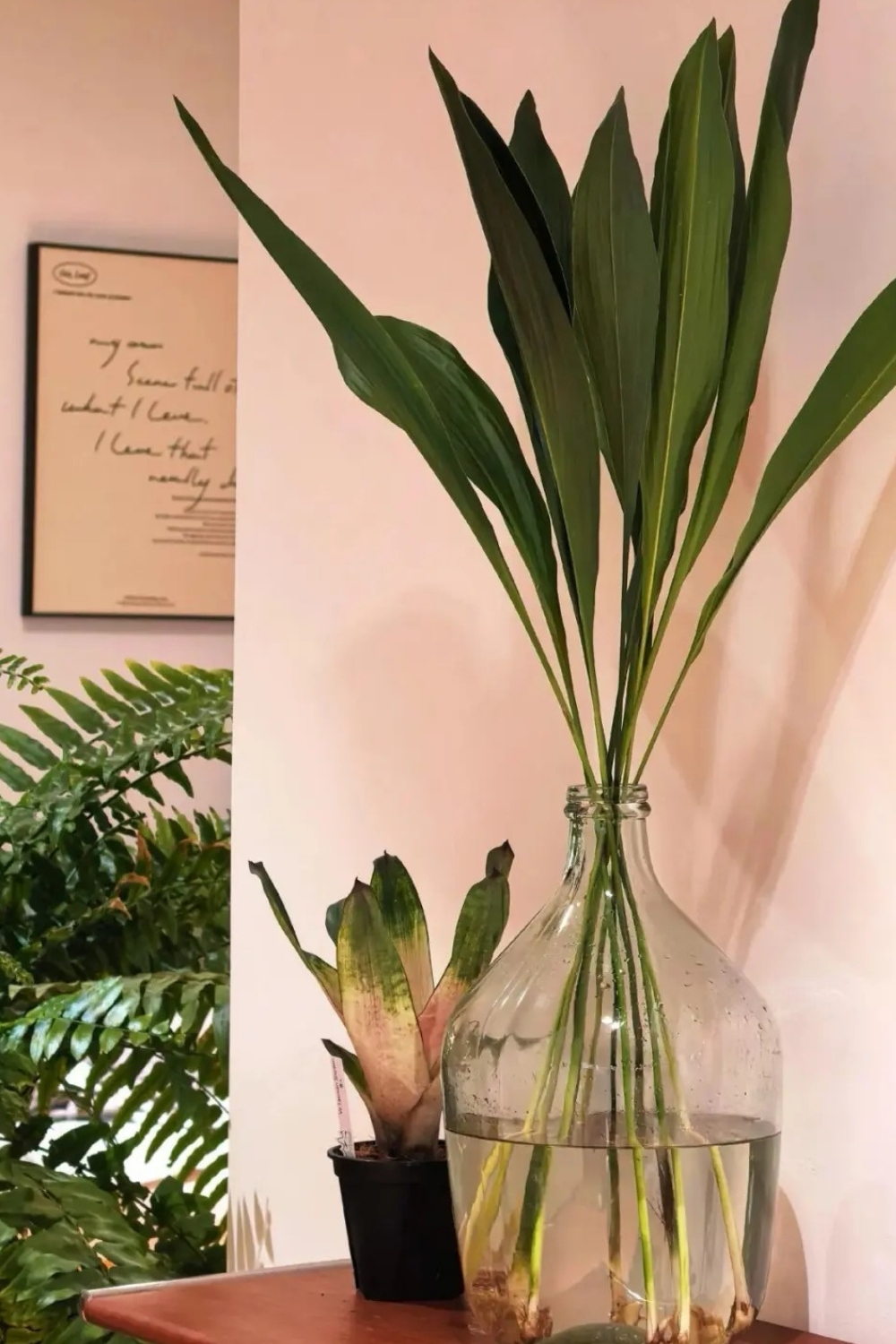
Cut leaves of cast iron plant also last for weeks in a vase of water, which makes them a favorite with florists. A few long leaves in a big glass bottle make a simple green arrangement (more on plants that grow in water) for a dark shelf that no living plant would put up with.
Pothos
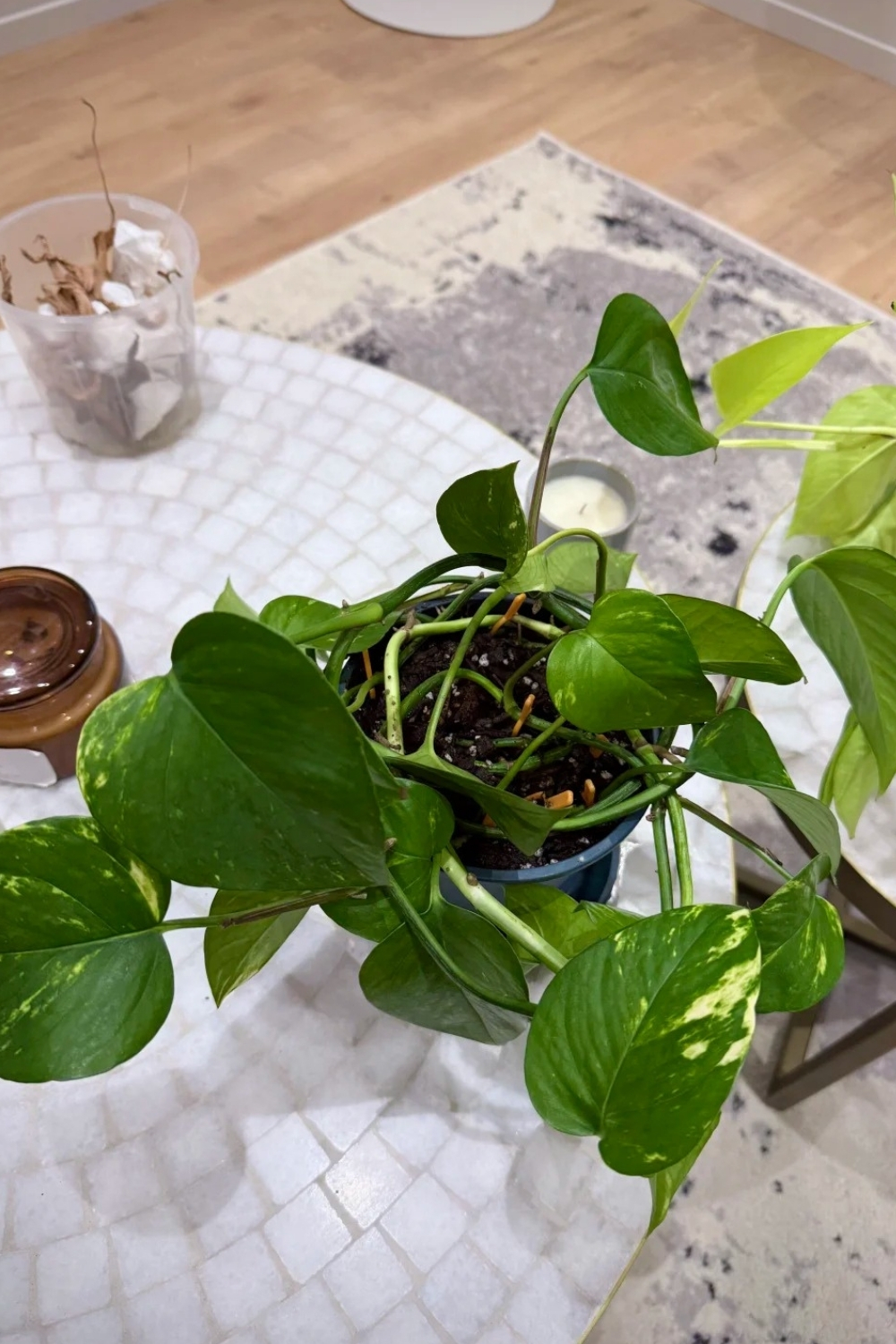
Pothos (Epipremnum aureum) is the trailing vine in half the offices in the country, and for good reason. Pothos in low light keeps growing, slowly, and trails over a shelf edge or the side of a bookcase. The one catch is color: variegated types, the ones splashed with yellow or white, turn mostly green in a dark room, since the plant makes more green to catch more light. Plain green pothos handles dim rooms best. Long, bare stems with leaves spaced far apart are a sign it wants a little more light.
Good for dark rooms near a window
These low light indoor plants do well in a dim room, as long as a window sits somewhere in it. Think north windows, or a few feet back from an east window.
Chinese evergreen
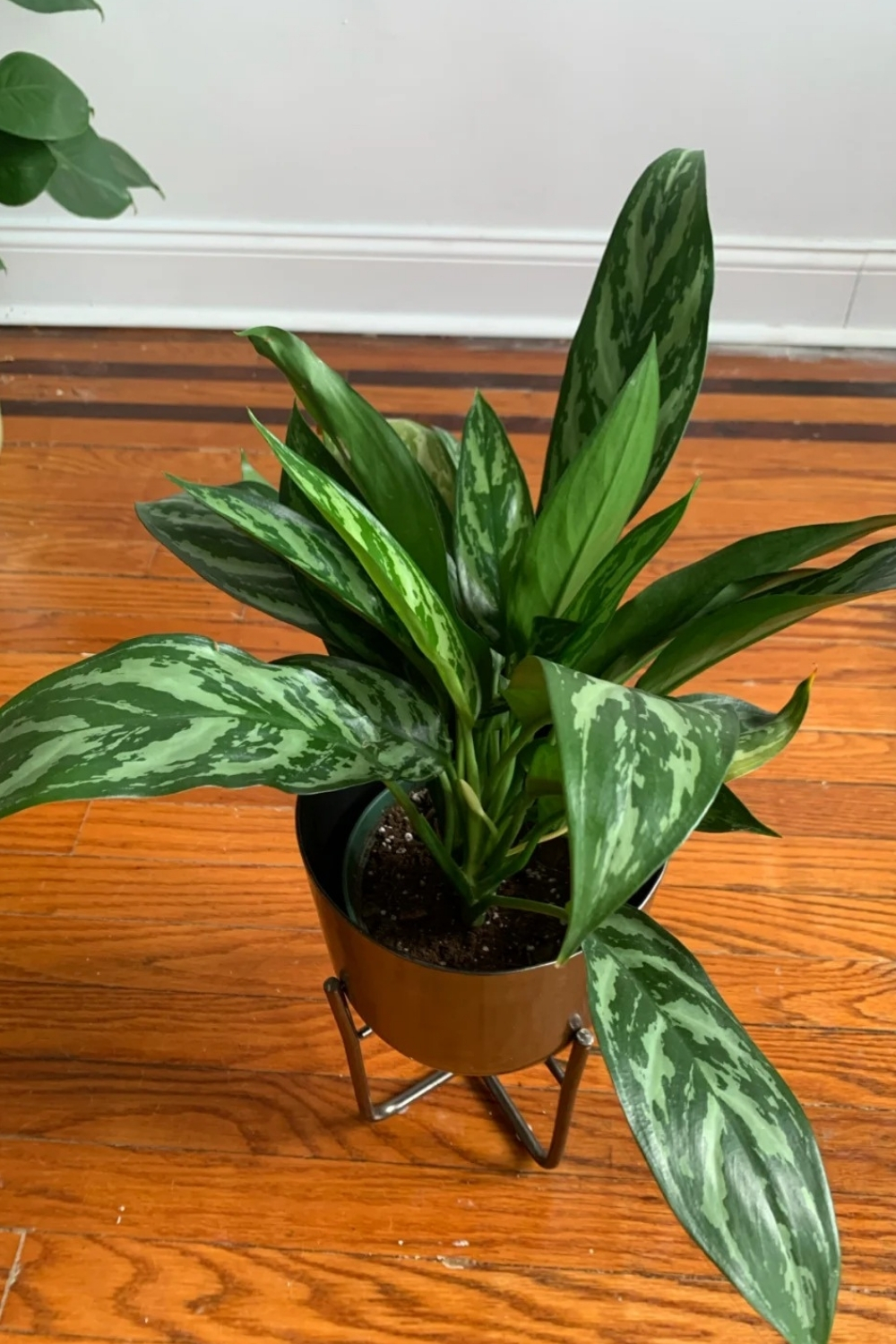
Chinese evergreen (Aglaonema) has wide, pointed leaves patterned in silver, cream or pink. The plain green and silver-green types tolerate low light best; the pink and red ones fade and sulk in a dark room. It likes warmth, so keep it away from cold drafts and windows that get chilly in winter.
Heartleaf philodendron
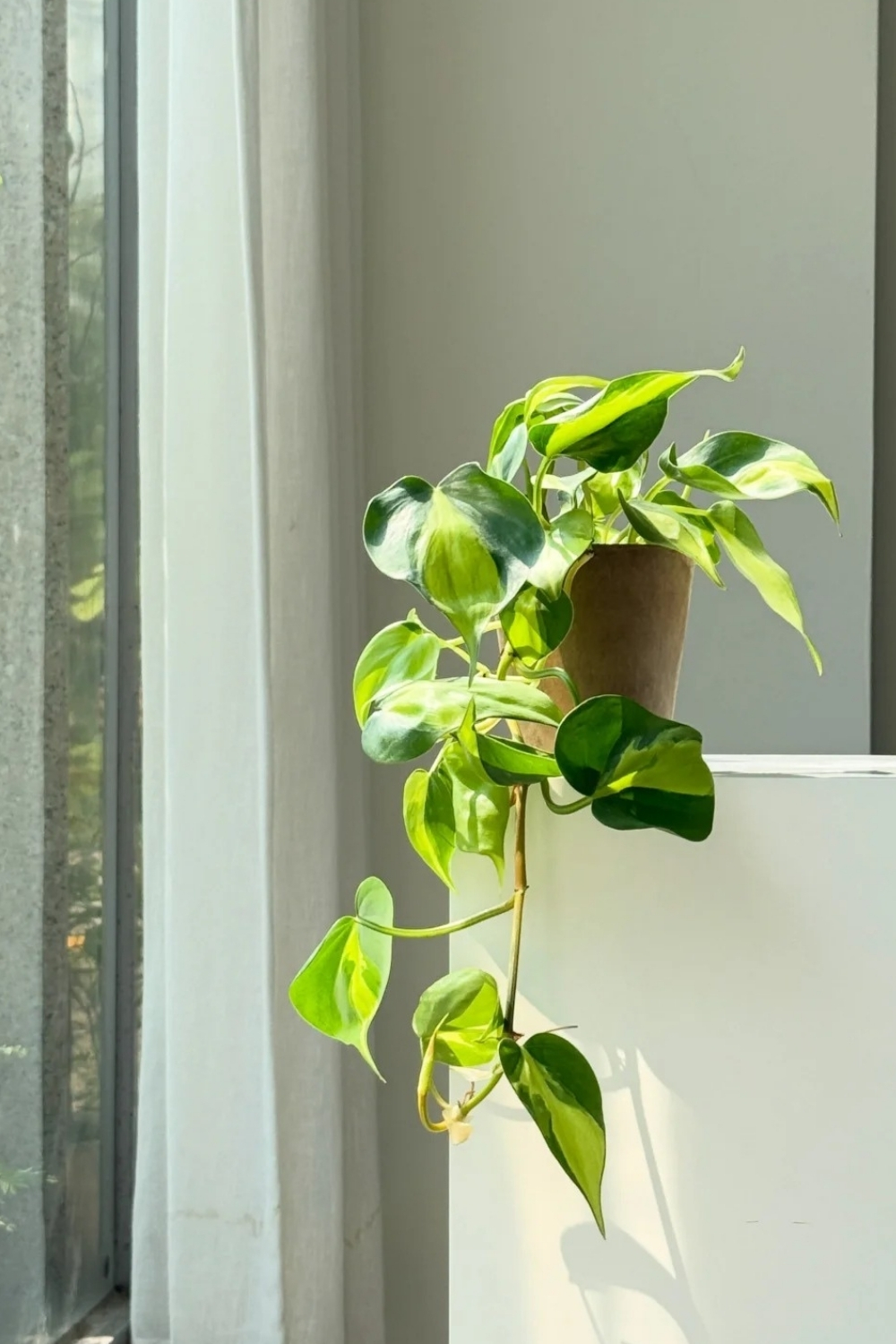
Heartleaf philodendron (Philodendron hederaceum) looks a lot like pothos, with thinner, softer, heart-shaped leaves. It trails or climbs, and it handles low light just as well. The ‘Brasil’ variety, with a lime stripe down each leaf, keeps more of its stripe close to a window. It also tells you when it’s thirsty: the leaves droop, then perk back up within hours of watering.
Dracaena
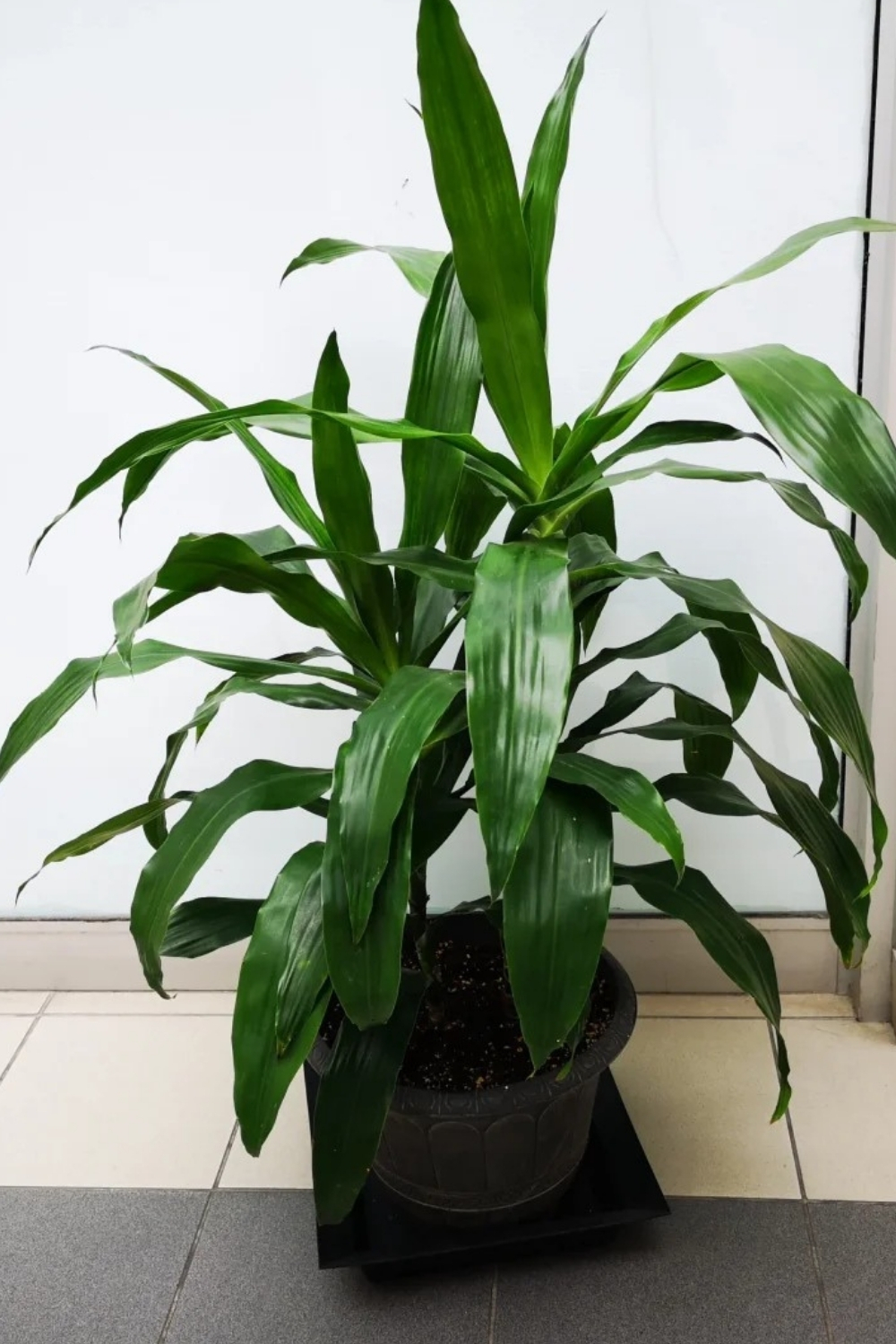
Dracaenas, like the corn plant (Dracaena fragrans) and its many named types, grow long, arching leaves on a cane-like stem and can reach several feet indoors. They tolerate low light well, though they grow slowly and lean toward the window. Brown leaf tips are common and usually come from dry air or salts in tap water, not from the light.
Parlor palm
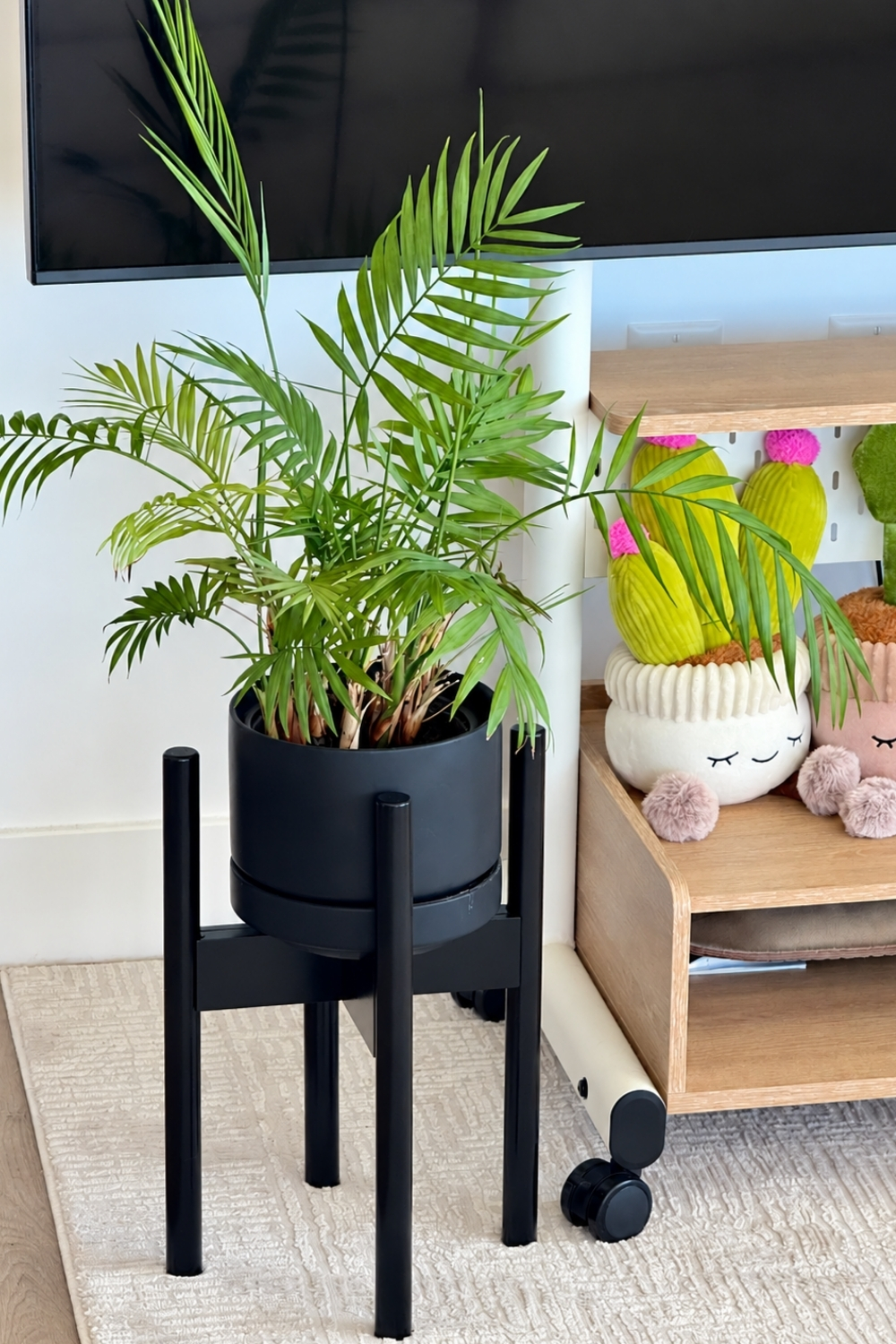
The parlor palm (Chamaedorea elegans) is the rare palm that likes shade. In nature it grows under rainforest trees, so it handles a dim living room much better than sun-loving palms do. It grows slowly into a soft, feathery clump, and a plant stand lifts it up toward what light the room has. Keep the soil lightly moist, never soggy.
Peace lily
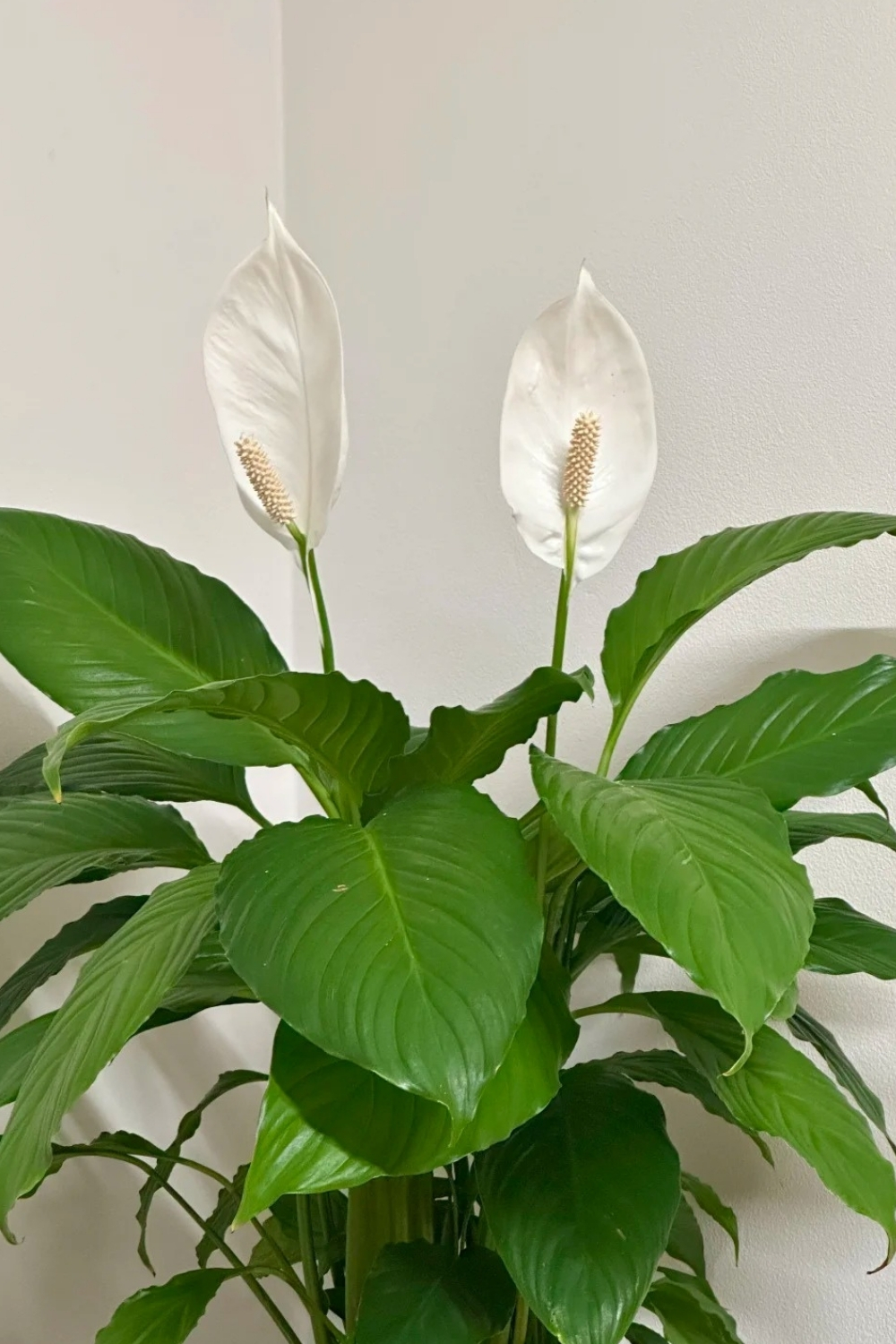
The peace lily (Spathiphyllum) is the only plant here grown as much for its flowers as its leaves. Those white flowers are really a modified leaf, called a spathe, wrapped around a spike of tiny true flowers. In low light, a peace lily stays green and healthy but blooms less, or not at all. Move it closer to a window for a few weeks if you want flowers. It droops dramatically when dry, and recovers just as fast after a drink.
Pretty, but they need a little help
Calathea
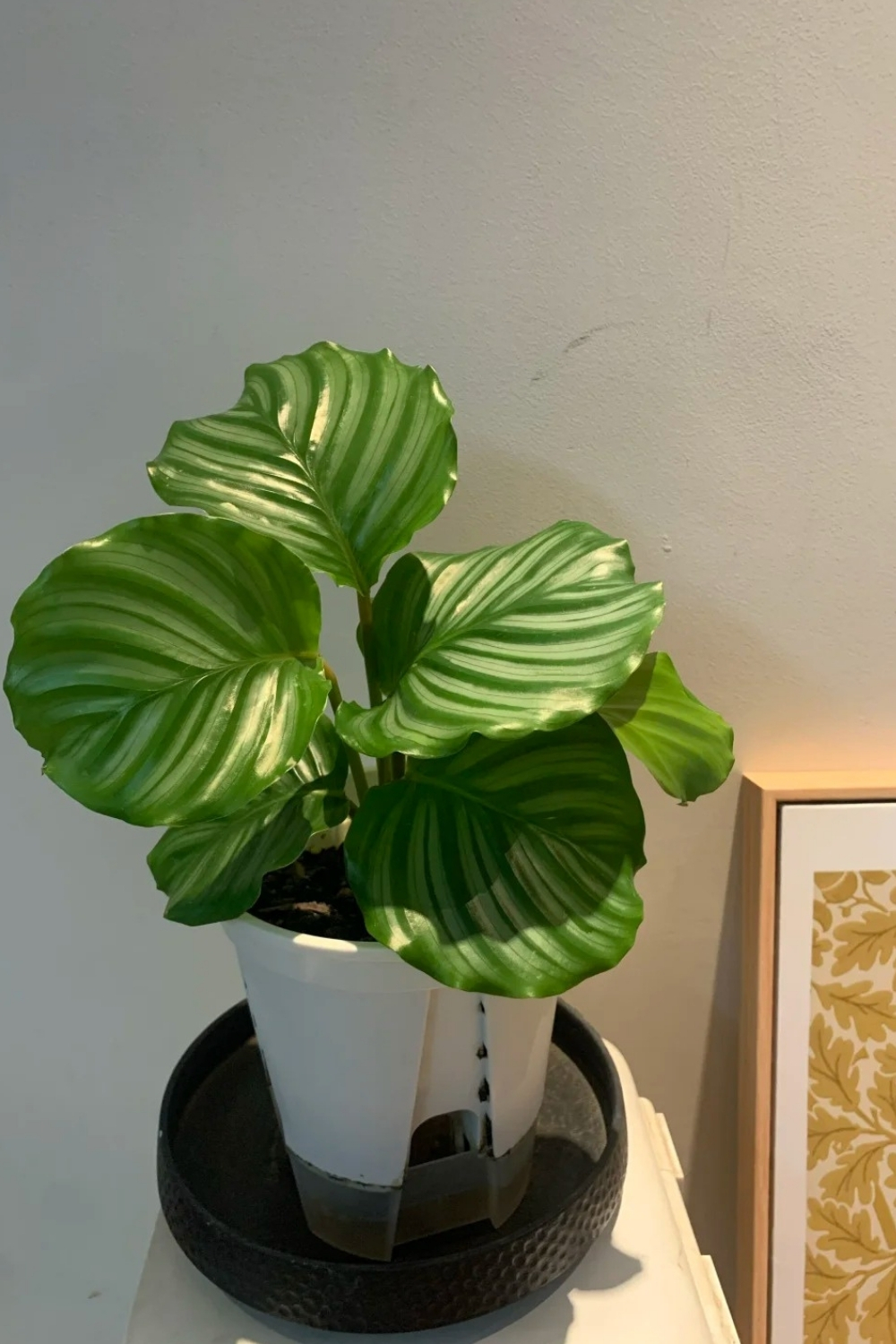
Calatheas, now officially Goeppertia, have some of the most striking leaves of any houseplant: striped, painted, or silvery like the round-leaved one here. They like medium to low light, since direct sun fades and scorches those patterns. The challenge isn’t light; it’s water and air. They want evenly moist soil, high humidity and steady warmth, and they show complaints fast with crisp brown leaf edges. Many growers switch to filtered or rainwater, since tap water can cause brown tips. A self-watering pot, like the one in the photo, helps keep the soil evenly damp. Calathea leaves also fold up at night and open in the morning, which is fun to watch, if that’s even a thing you’d stay up for.
Bird’s nest fern
The bird’s nest fern (Asplenium nidus) grows a rosette of wide, wavy, bright green fronds from a fuzzy center, and it looks nothing like a typical lacy fern. It handles low to medium light and likes the same humidity calatheas do, which makes a bright bathroom a good home. Water around the base of the plant, not into the center, which can rot.
Plants for windowless rooms need a lamp
A windowless room with the lights off most of the day is too dark for any plant, however tough. Rooms with ceiling lights on all day, like some offices, can keep a ZZ or snake plant going on their own. For a windowless bathroom, a basement or an interior hallway, a grow light makes the difference.
A grow light is simply a lamp designed to give off the kinds of light plants use. Many are LED bulbs that screw into a regular lamp or ceiling fixture, or slim bars that clip to a shelf. Look for “full spectrum” on the box; these give off a white light that looks normal in a room. Place the bulb a foot or two above the plant, closer for a weaker bulb, and run it about 10 to 12 hours a day. A cheap plug-in timer makes this automatic, so the light comes on and off at the same time every day.
With a grow light, windowless room plants aren’t limited to the toughest few. Pothos, philodendron, Chinese evergreen and even a peace lily can do well under one. A grow light can also turn a dark kitchen corner into a place for plants, like the shelves in this kitchen windowsill makeover.
Water less in a dark room
Overwatering kills more low-light plants than darkness does. In dim light, a plant grows slowly and uses water slowly, so the soil stays wet far longer than it would on a sunny windowsill. Roots sitting in wet soil run out of air and rot, and by the time the leaves yellow and droop, the damage is done.
The fix is simple: check before you water. Push a finger into the soil up to the second knuckle. If it’s still damp, wait. For ZZ plants and snake plants, wait until the pot feels light and the soil is dry all the way through. Pots with drainage holes matter even more in a dark room, and in winter, when days are short, most of these plants need water even less often. Watering on a fixed weekly schedule, or whatever the plant tag says, is how a lot of healthy snake plants drown.
Feed lightly, too. A plant growing slowly needs very little fertilizer; half-strength liquid feed a few times in spring and summer is plenty.
Rotate, dust and give them a break
Plants in a dim room lean toward the light they do get. Turn the pot a quarter turn every week or two, and the plant grows evenly instead of tipping toward the window.
Dust matters more in low light. A layer of dust on big leaves blocks some of the little light the plant gets, so wipe the leaves with a damp cloth every month or so. In some sense, that’s free extra light.
Some growers also rotate plants between rooms: a few weeks in a dark hallway, then a few weeks near a brighter window to recover. It’s not needed for a ZZ or a cast iron plant, but it keeps a peace lily blooming and a variegated pothos keeping its color. You do you; some people love moving plants around, and others want them to stay put for good.
Quick comparison
| Plant | Lowest light it handles | Watering in low light | Growth |
|---|---|---|---|
| ZZ plant | Very low, even lamp light | When fully dry | Very slow |
| Snake plant | Very low | Every 4–6 weeks | Very slow |
| Cast iron plant | Very low | When top inch is dry | Very slow |
| Pothos | Low | When top inch is dry | Moderate |
| Chinese evergreen | Low, near a window | When top inch is dry | Slow |
| Heartleaf philodendron | Low | When top inch is dry | Moderate |
| Dracaena | Low, near a window | When top inch is dry | Slow |
| Parlor palm | Low | Keep lightly moist | Slow |
| Peace lily | Low (fewer flowers) | When it starts to droop | Moderate |
| Calathea | Medium to low | Keep evenly moist | Moderate |
| Bird’s nest fern | Low to medium | Keep evenly moist | Slow |
For more plants that like the shady side of life, outdoors this time, this list of plants that grow well in shade works the same idea in the garden.
Even plants that don’t need sunlight still need some light, and a dark room was never really empty of it; it just had less than a plant from a sunny window expects. Choose a plant that evolved under a forest canopy, water it less than feels right, and the dim corner stops being the spot where plants go to die and becomes the spot where the toughest ones quietly get on with it.