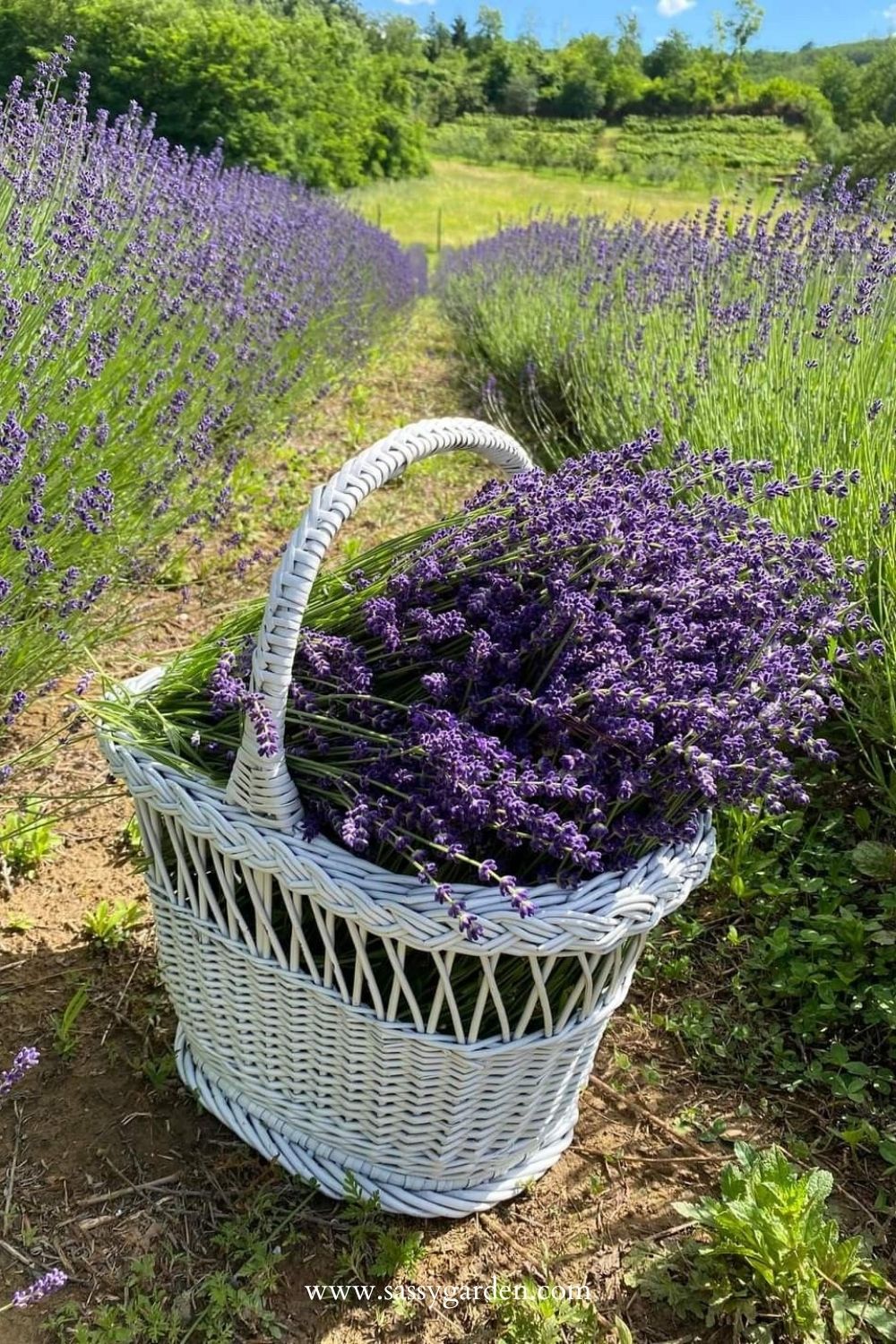
One afternoon in July. That’s all it takes to strip a single lavender bush and set yourself up with enough for a whole year.
Most people grow lavender for the way it looks in the border, and then leave every one of those flowers to fade on the plant. Which is a shame, because the harvest is the most useful thing in the garden and it’s just sitting there.
The lavender uses worth knowing aren’t complicated. A few live in the kitchen, a few around the house, a few back out in the garden, and they all start from the same pile of cut stems.
Here’s the thing though: the whole list depends on cutting and drying it right, and on growing the kind you can actually eat. So we’ll start there, then run through nine ways to use what you gather.
First, Cut It Right (or None of This Works)
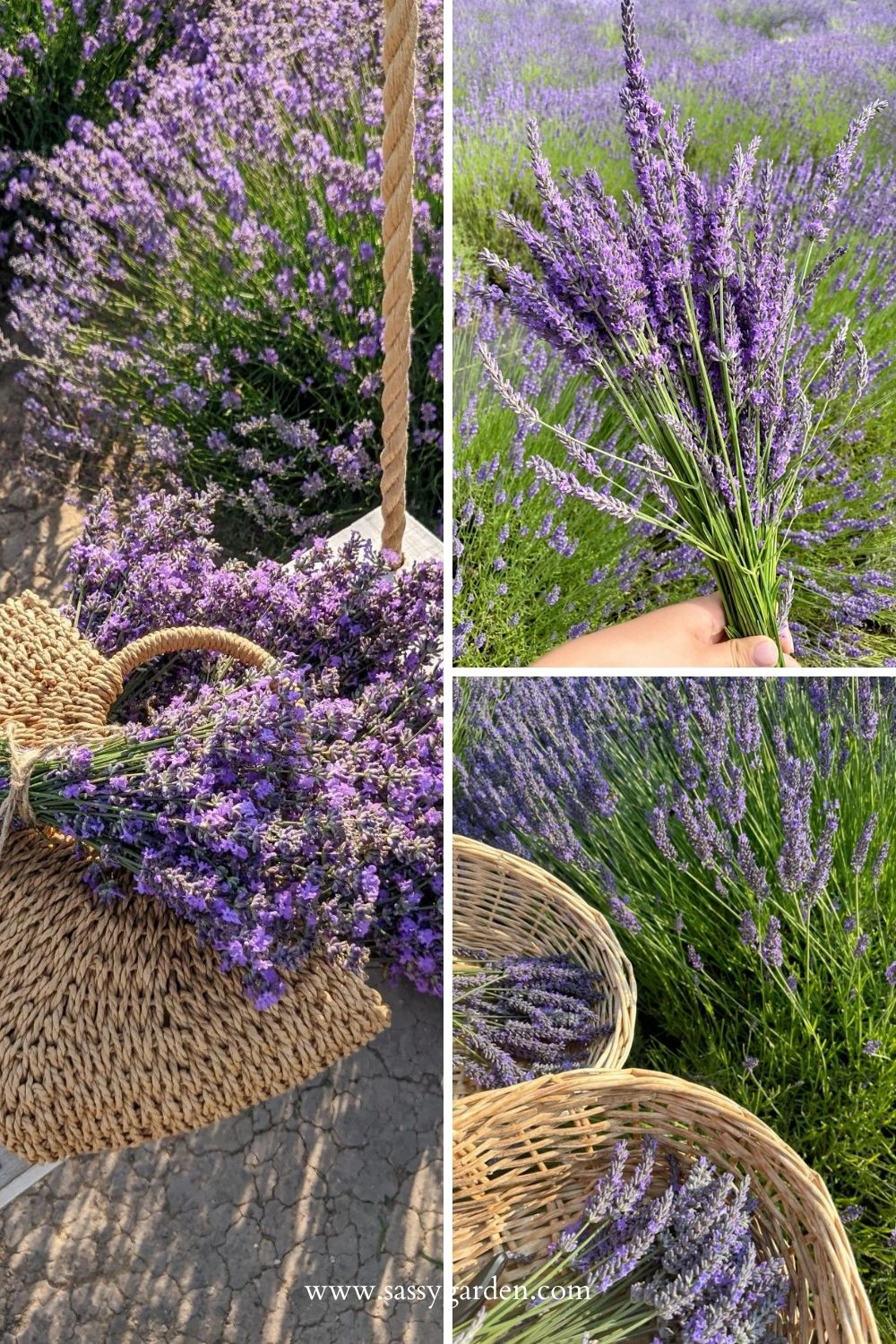
Timing is everything with lavender. Cut it when the lowest buds on each spike are just starting to open, on a dry morning after the dew has burned off. That’s when the oils are at their peak, and harvesting at bud-break gives you the strongest scent and flavor before the color fades.
Then dry it in the dark. Bundle the stems into small bunches, tie them tight (they shrink as they dry and loose ties slip), and hang them upside down somewhere cool and airy with no direct sun. Give it two to three weeks, then run your fingers down a spike over a bowl and the buds strip off clean when they’re ready.
I learned this the hard way. My first harvest went in a sunny kitchen window because it looked pretty there, and two weeks later it was gray and smelled of almost nothing. The next year’s batch hung in a dark closet and kept its color and scent for months. (Ask me how I know which one I regret.)
One gate before any of this: variety. English lavender (Lavandula angustifolia), especially Munstead and Hidcote, is the sweet, low-camphor type you can cook with. Lavandin, French, and Spanish lavender are more resinous and are best kept to scent and decoration only.
In the Kitchen
Culinary lavender is a spice, and like any strong spice, the whole trick is restraint. A little tastes of summer. Too much tastes of soap, and there’s no coming back from that once it’s in the batter.
Think of it the way you’d treat rosemary or thyme: a supporting note, not the whole song. Pair it with lemon, honey, vanilla, or berries and it comes alive.
1. Lavender Simple Syrup
This is the one to make first. Equal parts sugar and water, warmed until dissolved, with a spoonful of dried buds steeped in for ten minutes and then strained out.
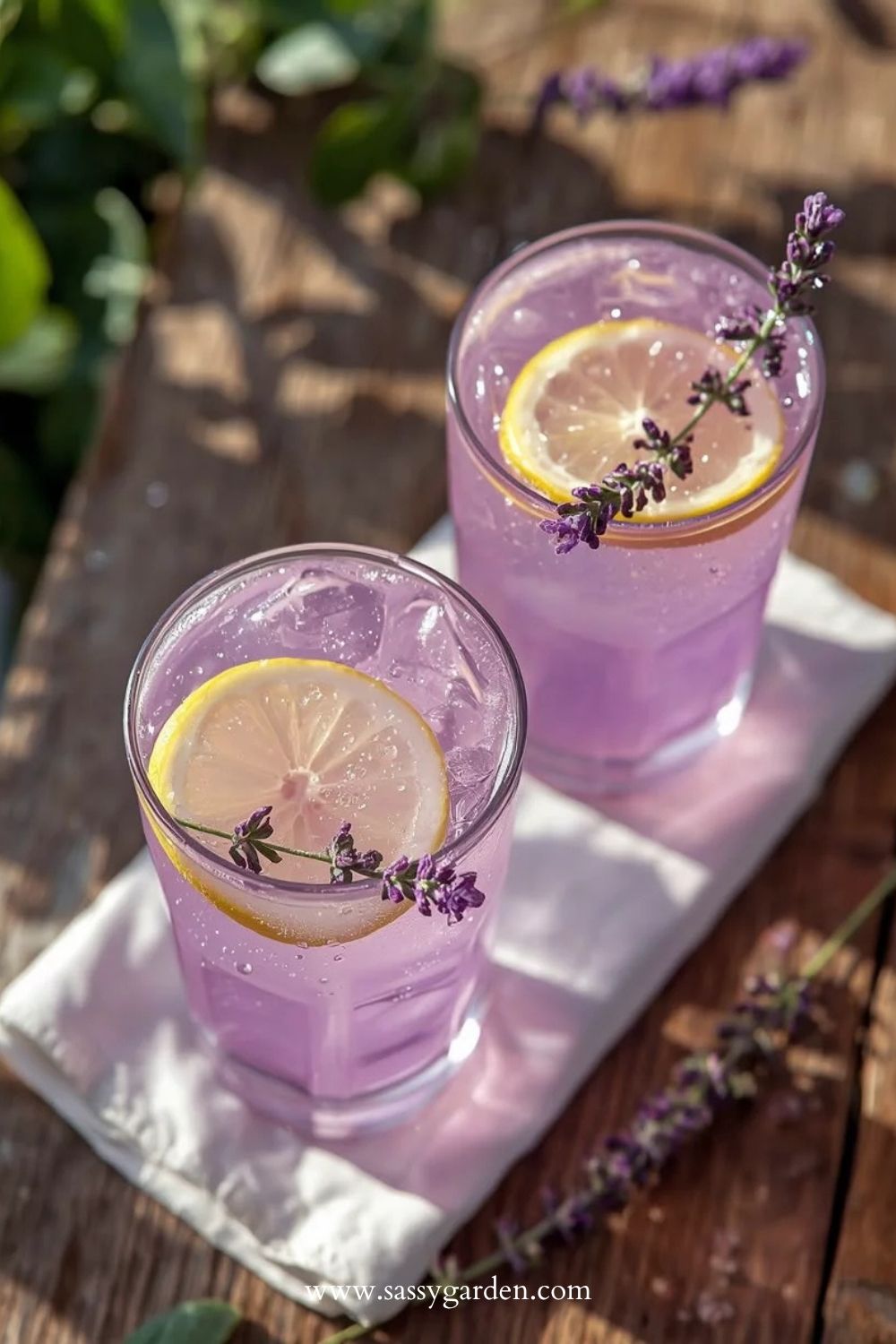
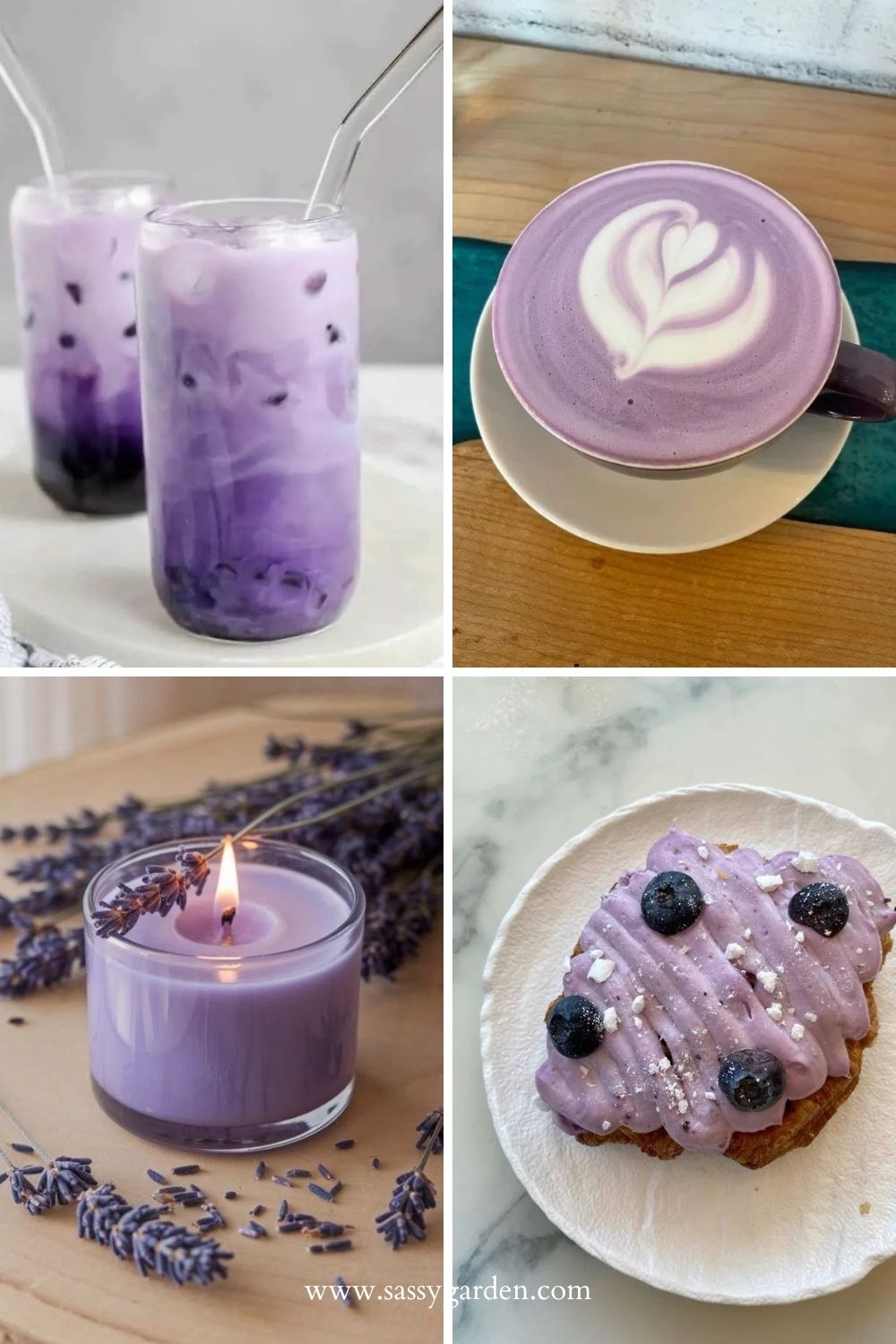
That syrup is the base for the lavender lemonade and the pale purple lattes you’ve seen everywhere. A splash in sparkling water, over ice with lemon, or stirred into iced tea, and you’ve got the prettiest drink on the table.
2. Baking, From Shortbread to Macarons
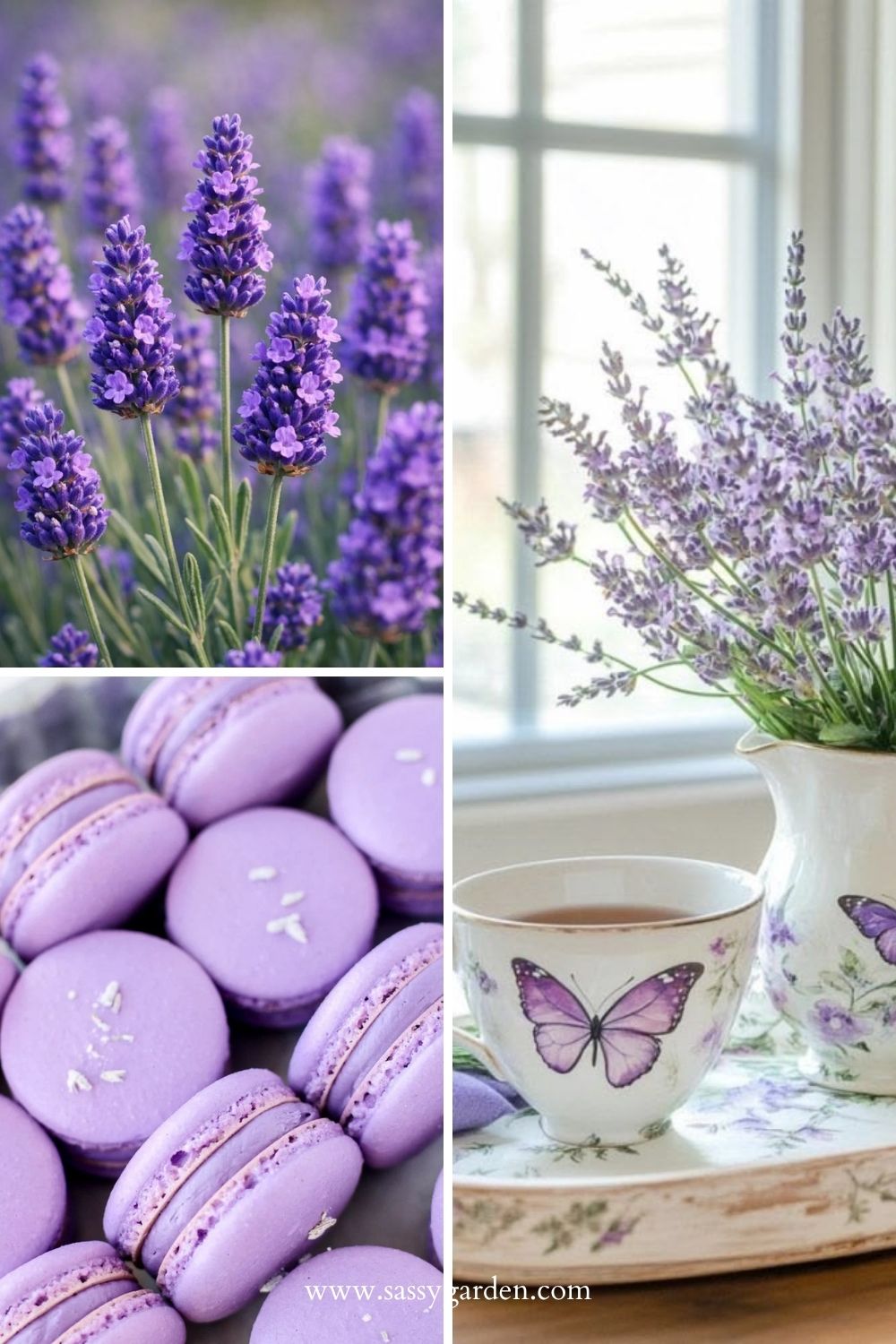
Lavender shortbread is the classic, and it’s genuinely good: a teaspoon of finely chopped buds in a standard shortbread dough. It also flavors those violet macarons and pairs beautifully with lemon, honey, and blueberry.
Start with less than you think. You can always add more next batch, but you cannot rescue a soapy cake. (Spoiler: it’s not the expensive extract that ruins it, it’s a heavy hand.)
3. Lavender Sugar and Herbes de Provence
Bury a few tablespoons of dried buds in a jar of sugar for a week and the sugar takes on the scent. Use it in tea, on scones, or rimming a cocktail glass. Herbes de Provence is the same idea in savory form, where a pinch of lavender joins thyme, rosemary, and oregano for roast chicken and vegetables.
Only the right culinary varieties belong in food, so stick with your angustifolia. And a quick pet note: lavender is toxic to cats, dogs, and horses, so keep culinary scraps and trimmings off the floor where a pet might hoover them up.
Around the House
Dried lavender earns its keep indoors, and this is where a big harvest really pays off.
Sachets, Sleep, and Cleaning
4. Drawer and pillow sachets. Small muslin bags of dried buds tucked into drawers, linen closets, and under a pillow. Lavender’s link to better sleep is one of the more studied things about it, and a sachet by your pillow is the gentlest way to test it. Toss a couple in with your sweaters over summer and the moths stay away too.
5. Linen and cleaning spray. Steep buds in hot water, strain, and combine with a little witch hazel or vinegar for a scented spray for sheets and surfaces. Cheap, and it makes a closet smell like a French farmhouse. A few drops go a long way, so don’t drown the fabric.
6. Candles and dried bundles. A jar candle with buds pressed into the wax, or simply a tied bundle in a vase for scent and looks. The dried bundles from your basket last for months and drop a soft color into a room without any effort at all.
One real caution here. Dried buds and sachets are fine around pets, but concentrated lavender oil is a different thing entirely. Cats especially can’t process the compounds in the oil, since they lack the liver enzymes to break them down. Skip diffusing it in a home with a cat, and keep undiluted oil away from all pets, dogs included.
Out in the Garden
Not everything has to come indoors. Some of the best lavender uses happen right where it’s growing.
What Actually Repels Pests, and What’s a Myth?
7. A genuine bee and butterfly magnet. This one is no exaggeration. A lavender in bloom hums with pollinators, and it sits comfortably alongside the native plants that feed pollinators with zero fuss if you want a whole border working for the bees.
8. Modest pest deterrence, honestly stated. Dried bundles do help keep moths out of a wardrobe, and the growing plant is unappealing to some mosquitoes and deer. But it’s a nudge, not a force field. If mosquitoes are your real problem, lavender belongs in the mix with the other plants that push back on mosquito season, not carrying the job alone.
9. Free plants from cuttings. Take softwood cuttings in early summer, strip the lower leaves, and root them in gritty mix. Keep them out of direct sun and barely moist, and most will root within a few weeks. It’s the same propagation instinct behind keeping herbs producing all season, and it turns one bush into a whole low-hedge for the cost of nothing. (Your future self, walking past a row of it in bloom, will be very pleased with you.)
Lavender Questions
Which Lavender Can You Actually Eat?
English lavender, and specifically the angustifolia types like Munstead and Hidcote.
They have a sweeter, softer flavor because they’re low in camphor. Lavandin (the big hybrid grown for oil), French, and Spanish lavender all carry far more camphor and turn medicinal or downright bitter in food.
If you’re not sure what you have, smell a crushed bud. Sweet and floral is a good sign, sharp and medicinal means keep it for sachets.
How Long Does Dried Lavender Last?
For scent and cooking, about a year at full strength, longer if you’re just after the look.
Store the stripped buds in a sealed jar out of sunlight, and proper drying and storage is what protects both the color and the oils. Give a sachet a gentle squeeze when it’s faded and you’ll often wake up another burst of scent for a while.
Once it smells of nothing, it’s done its job. Compost it and cut a fresh batch next summer.
Here’s the timely bit: lavender is at its absolute best for a short window, right as those first buds crack open. Wait too long and the flowers brown on the stem and the oils drop off fast.
So if your plants are budding up now, this is the week to get out there with the shears. Cut more than you think you need, because between the syrup, the sachets, and a bundle or two given away, it disappears quicker than you’d expect.
Hang it in the dark, come back in two weeks, and you’ll have a jar of summer to work through all the way to next year.