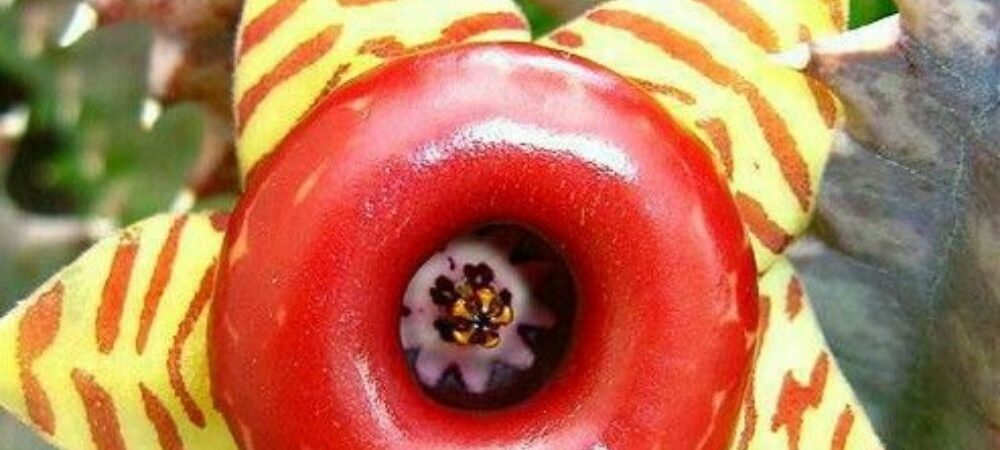
The idea that a Huernia dies because you watered it on the wrong day? That’s the myth that has killed more lifesaver plants than any watering can ever has.
You’ve seen the advice. Water once a month, water every two weeks, water on the third Sunday when the moon looks tired. And people follow it perfectly and still find the base of the plant gone soft and brown a month later.
Here’s the thing: Huernia succulent care almost never fails because of timing. It fails because of what the water lands in and how fast it can leave. Fix that once and the schedule stops mattering, which is exactly why this plant suits lazy growers so well.
So this post is about the setup, not the calendar.
Where the “Just Water It Less” Myth Comes From
Every Huernia sold at a garden center comes with the same little plastic stake. Low water. Bright light. Done.
That tag isn’t wrong, exactly. It’s just answering a different question than the one you have. It tells you the plant’s preference. It says nothing about the pot of dense black peat it’s currently sitting in.
The Care Tag That Started It
Nurseries grow these in high-turnover conditions: warm greenhouse, good airflow, soil that dries in two days flat. In that setup, “water sparingly” really is the only instruction you need.
Then the plant goes home with you. Cooler room, less air movement, a decorative pot with no hole in the bottom. Same soil, completely different physics. (Nobody’s fault, but it does explain a lot.)
Why the Advice Sounds Right and Still Fails
Watering less feels like the responsible move, so people commit hard. They stretch to three weeks. Four. Then they finally water, and because the plant looks shriveled, they really soak it.
And the soil holds that soak for eleven days.
That’s the trap. A long dry stretch followed by a heavy drink is worse than moderate watering into fast soil, because the roots sit wet during the exact window when they can’t defend themselves.
What Actually Rots a Huernia
Huernia (Huernia zebrina and its relatives, often sold as lifesaver plant or lifesaver cactus) grows soft, segmented, water-storing stems. No bark, no woody core, nothing to slow an infection down once it starts.
That’s why rot in this plant moves so fast. It typically begins at the soil line where moisture lingers longest, then climbs, and by the time you notice a mushy segment the roots have usually been gone for a week.
Two things create that lingering moisture. Neither of them is your watering can.
Soil That Holds Water Like a Sponge
Standard potting mix is built to retain moisture. That’s its whole job, and it does it well for a fern.
For a stapeliad it’s a slow-motion disaster. Peat-heavy mixes stay damp in the middle of the pot long after the surface looks bone dry, so you poke a finger in, feel nothing, and quietly double up on water the roots never used.
Bagged “cactus soil” is better but usually still too fine on its own. Most of it is peat with a handful of perlite thrown in for looks.
The Pot Doing Half the Damage
I lost one to this exact mistake. Nice glazed pot, one small drainage hole, plant looked perfect for four months and then collapsed in about six days.
Glazed ceramic and plastic hold moisture at the walls. Terracotta breathes through the sides and pulls water out of the mix, which is why experienced growers of the lifesaver cactus keep coming back to unglazed clay.
Pot size matters just as much. Worth repeating: go one size up at most, because a plant swimming in a huge pot is surrounded by wet soil its small root system will never drink.
The Lazy Setup That Makes Rot Almost Impossible
Alright, here’s the actual system. One afternoon of work, then years of doing very little.
Start with the mix. Aim for roughly half grit, half organic material. A workable version is one part potting soil, one part coarse sand, one part perlite or pumice, which lands close to the DIY succulent soil recipes that experienced growers rely on. If you can get pumice, use it over perlite. It’s chunkier and doesn’t float to the top every time you water.
The finished mix should feel gritty and fall apart in your hand. If you can squeeze it into a ball that holds, add more grit.
Put it in terracotta with a real drainage hole. Not a decorative saucer situation. An actual hole, and nothing blocking it. Skip the gravel layer at the bottom, that trick raises the waterline instead of lowering it.
Give it bright indirect light. An east or west window is the sweet spot. Harsh south-facing afternoon sun through glass scorches the stems, and deep shade makes them stretch into pale floppy fingers that flop over and rot where they touch the soil.
Then water by soak and dry. Water until it runs out the bottom, then wait until the mix is dry all the way through. In the growing season that lands around every two to three weeks. In winter you cut back hard, to nearly nothing in a cool room.
Notice what changed. You’re not watering on a schedule anymore, you’re watering a pot that physically cannot stay wet. (No fancy tools required.)
Zone note: Huernia is hardy outdoors only in USDA zones 10a to 11b, where winter lows stay in the 30 to 50°F range. Everywhere colder, treat it as a container plant that comes inside well before your first frost. Cold plus wet is the fastest kill combination there is.
One nice thing: Huernia has no reported toxicity to cats, dogs, or kids. So it earns a spot on a low shelf, which is more than most of the succulent world can say.
If this style of plant suits you, look at other plants that shrug off a missed watering and the container plants that handle a hot, forgotten patio. Pick things that prefer neglect and you stop having to be reliable. (Your wallet will thank you.)
Huernia Questions People Actually Ask
Can You Save a Huernia That’s Already Gone Mushy?
Usually, yes, but not by saving the original plant.
Once the base has turned soft and brown, that tissue is finished. Take cuttings from the firm green segments well above the damage, cut clean with a sharp blade, and throw away everything soft. Then let the cut ends callus in a shaded spot for three to five days before they touch soil.
Plant the callused pieces in dry gritty mix and leave them alone for about two weeks before the first water. It feels wrong. Do it anyway, because a fresh wound in damp soil just restarts the whole problem.
How Often Should You Really Water a Lifesaver Plant?
Every two to three weeks in spring and summer, much less in winter, and that’s a starting point rather than a rule.
You water when the mix is dry through, and how long that takes depends on your pot, your light, and your house. A terracotta pot in a bright warm room might dry in eight days. The same plant in a cool north-facing room might take a month.
So check instead of counting. Lift the pot: light means dry, heavy means wait.
Why Does My Huernia Flower Smell Like That?
Because it’s pollinated by flies, and it advertises accordingly.
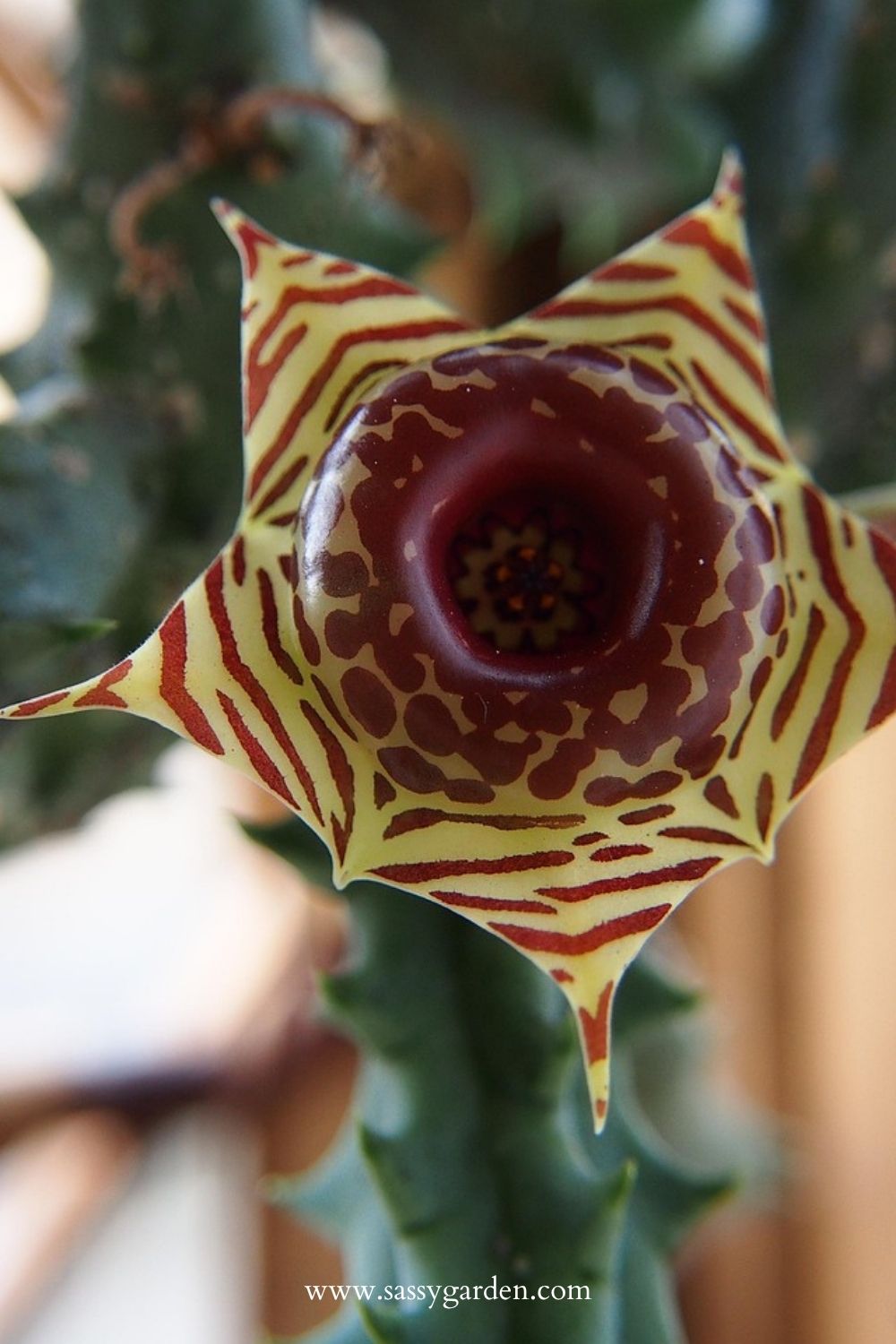
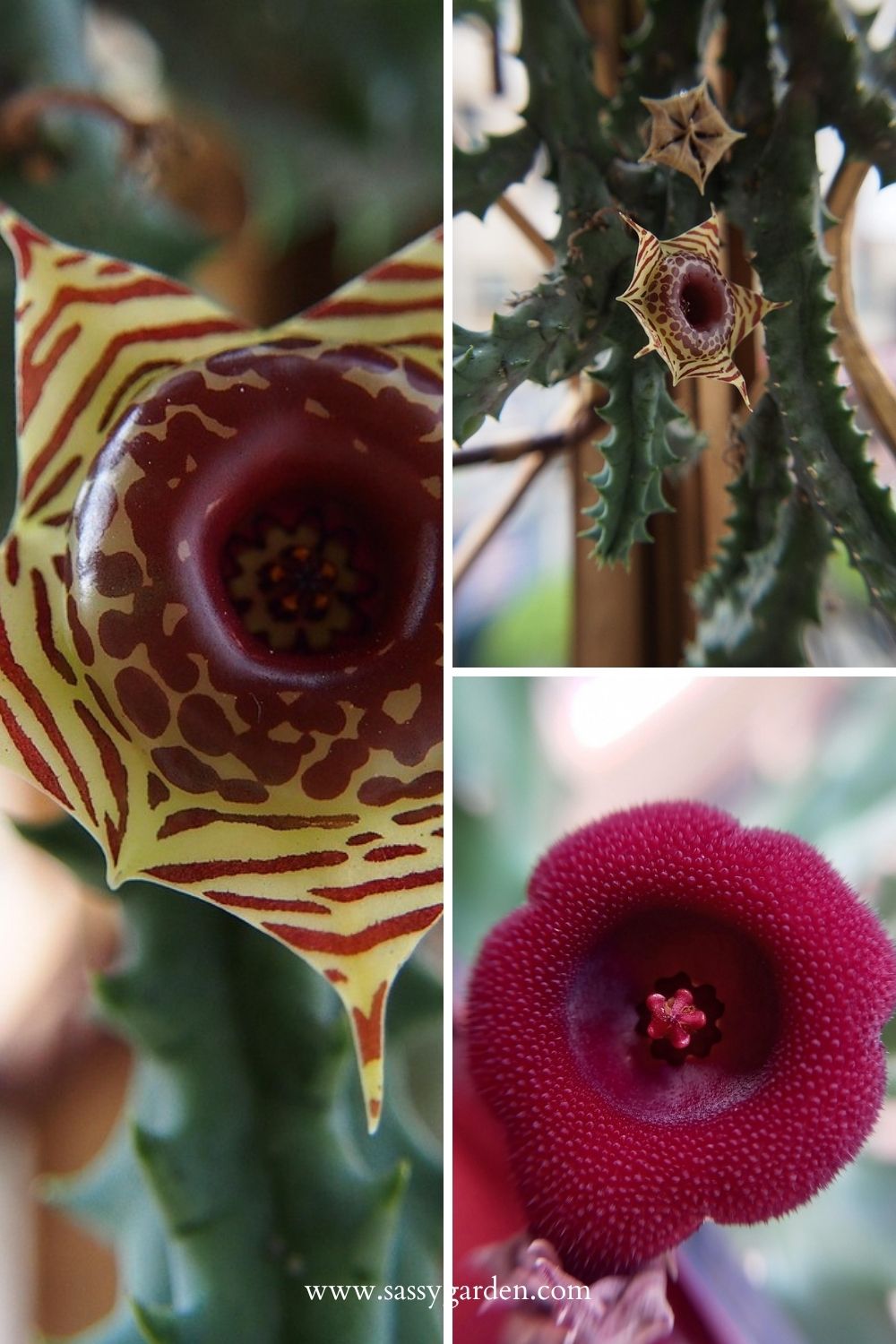
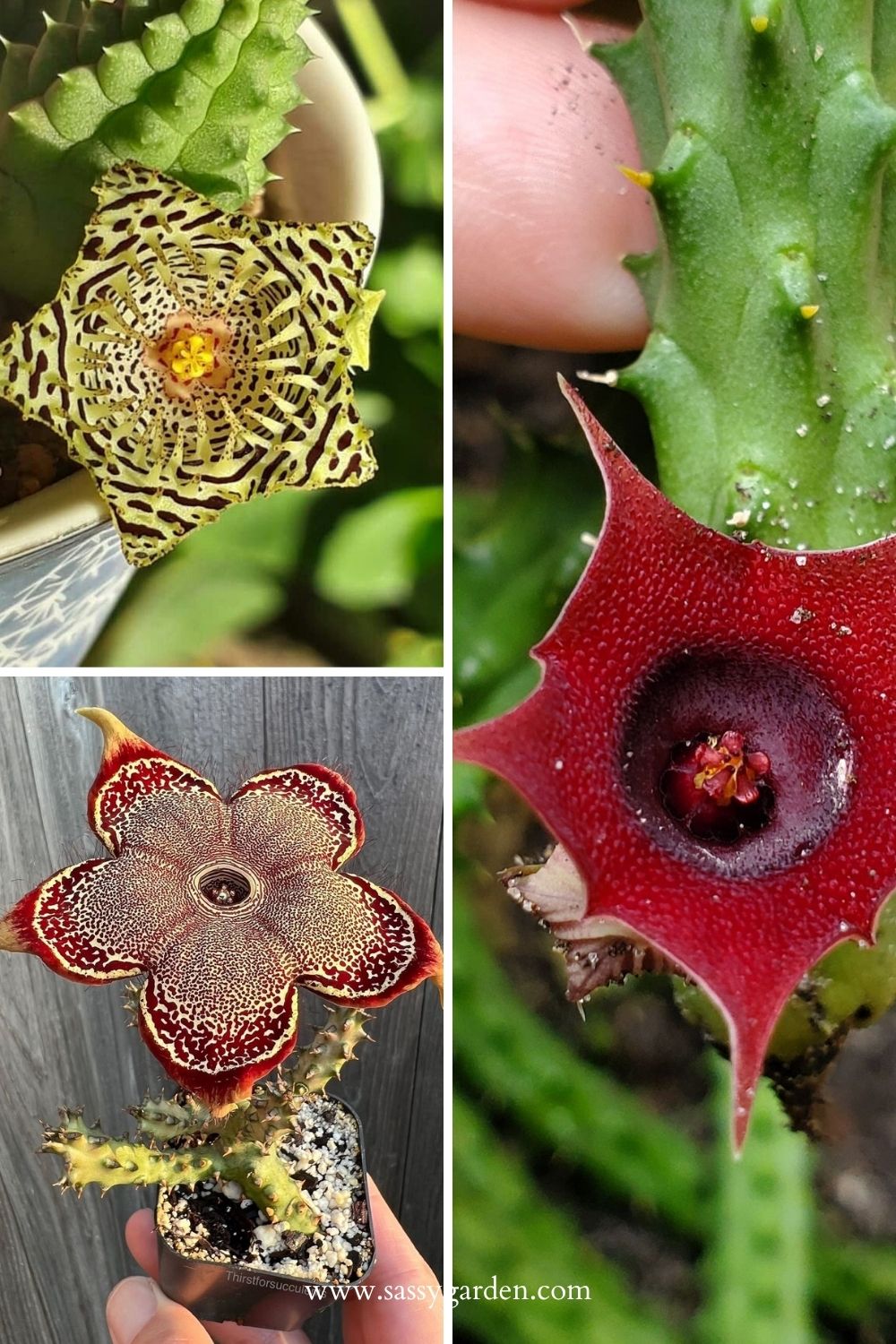
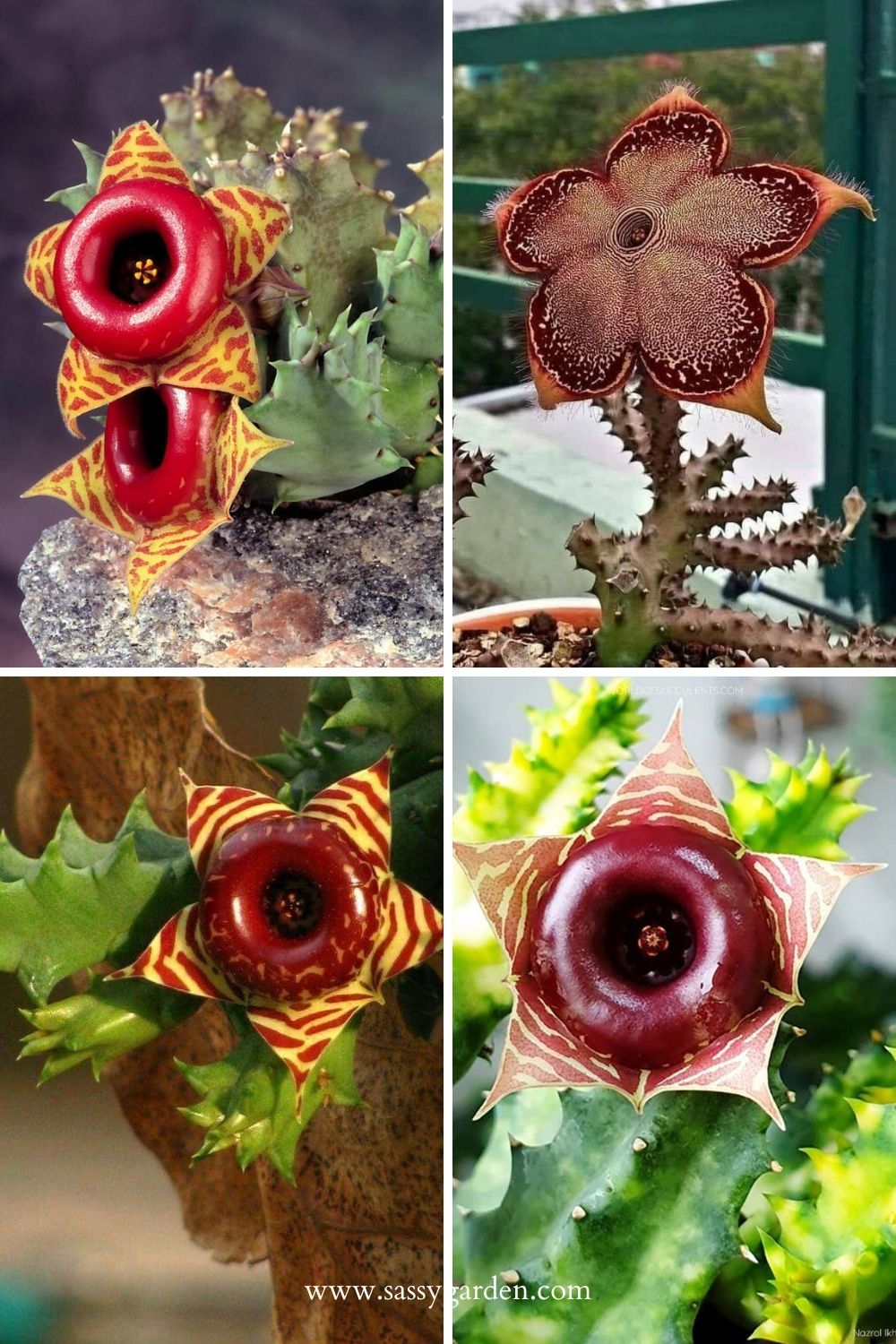
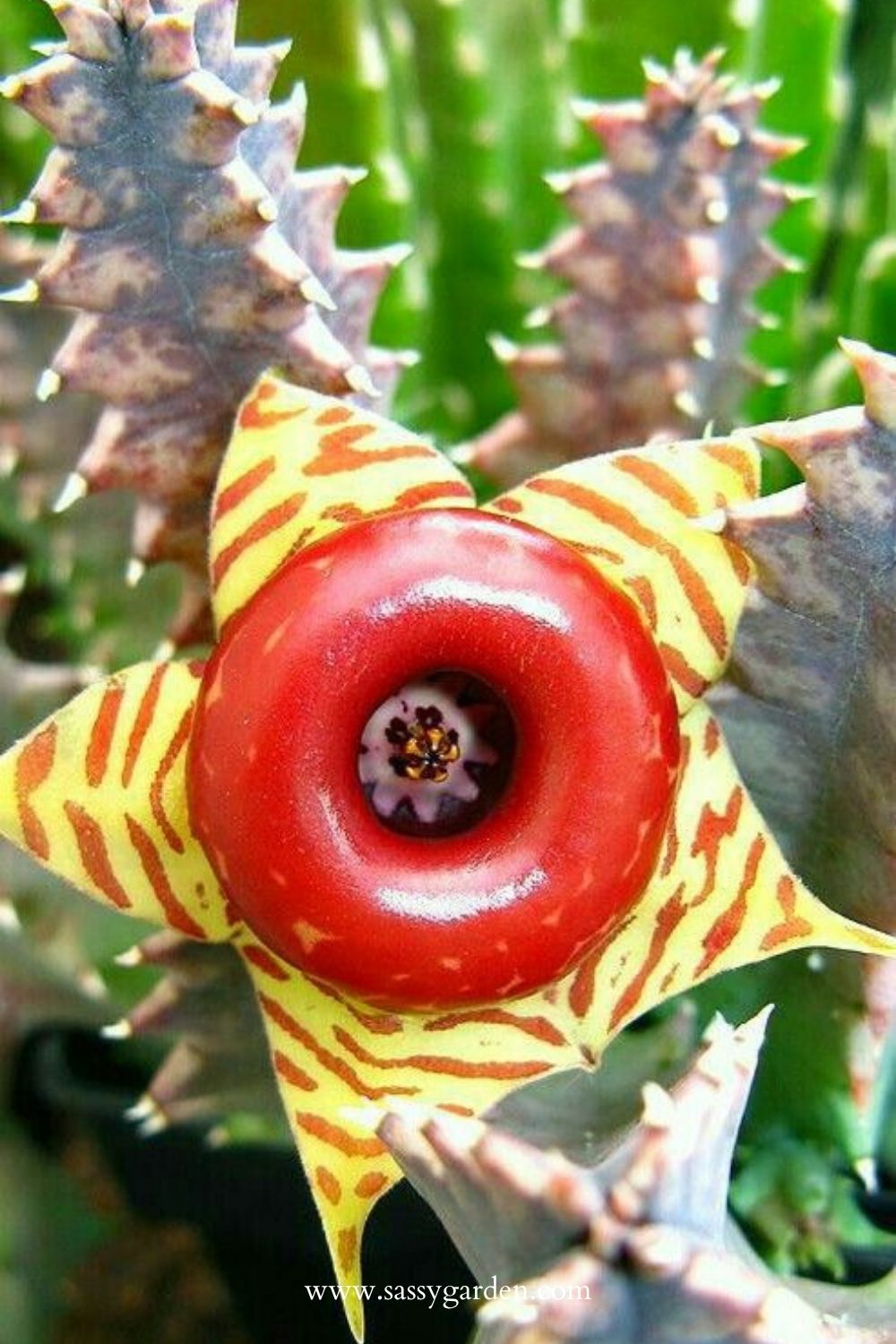
Those five-pointed star flowers with the raised waxy ring in the middle are gorgeous up close, and some species smell faintly of rotting meat when they open. Huernia zebrina sits on the mild end, and most people standing a few feet away notice nothing at all.
If you’re sensitive to it, keep the plant out of tight humid rooms during bloom. That’s good practice anyway for something that hates damp air, and it’s why the lifesaver plant doesn’t make my list of plants that actually survive in a bathroom.
So no, your Huernia didn’t rot because you watered it on a Tuesday instead of a Thursday. It rotted because the water had nowhere to go, and no schedule on earth fixes a pot that holds moisture for two weeks straight.
Get the mix gritty, get it into terracotta with a real hole, put it somewhere bright, and then genuinely forget about it for a while. That’s the whole trick, and it’s the reason this plant belongs on any list of low maintenance succulents for beginners.
Repot the one you have this week while the growing season is still going. Mix up a batch of gritty soil, shake the old peat off the roots, and put it back in clay. (And no, you don’t need a greenhouse.) Next summer you’ll get those striped star flowers and take entirely too many photos of them.