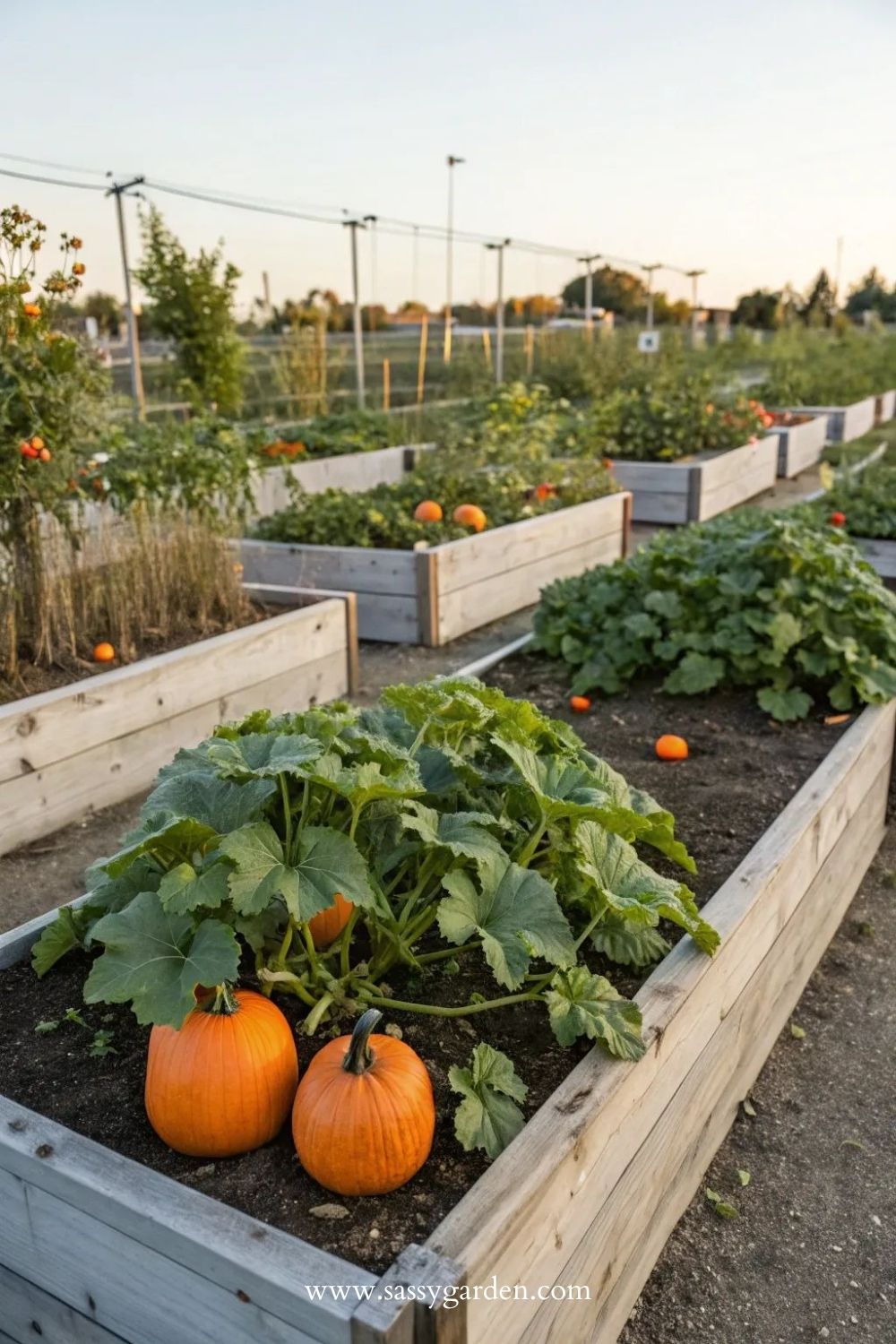
Have you been watering the patch every single day and blaming the weather while your pumpkins keep going soft? That instinct is often the thing making it worse.
I get it. You see a pumpkin starting to rot, you panic, you water more, and the damp ground quietly hands the fungus everything it needs. It feels like you’re helping. You’re not.
Pumpkins rotting on the vine almost always comes down to one of seven causes, and they don’t all get fixed the same way. Some are a pollination problem. Some are a water problem. A couple are bugs eating the plant out from under the fruit.
So the first job isn’t watering or spraying. It’s figuring out which of the seven you’ve actually got, because the wrong fix wastes the last few weeks you have before frost.
Here’s how to tell them apart, save what you can this season, and stop it happening next year.
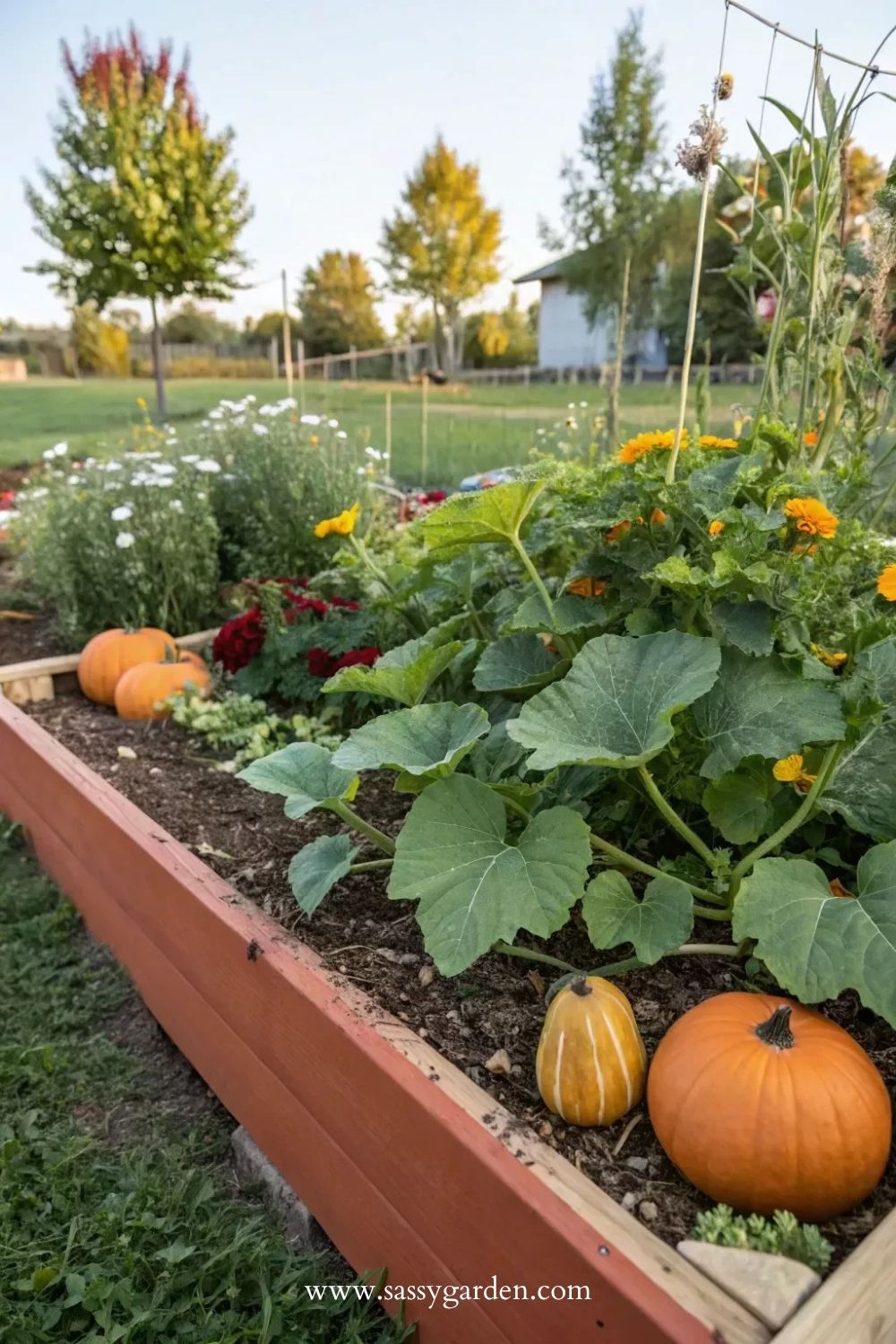
The Problem: Soft Spots, Mush, and Disappearing Fruit
“Rotting on the vine” covers a few different-looking disasters. A little fruit that shrivels and drops. A sunken black patch at the bottom end. A flat gray mushy spot where the pumpkin touches the soil.
They look different because they are different, and that’s the whole reason people fix the wrong thing.
The maddening part is the speed. A pumpkin can look fine on Monday and be collapsing by Friday, which makes it feel like bad luck rather than a cause you could have caught.
How Fast Can a Whole Patch Go?
Faster than you’d like. One rotting fruit is a fungus factory, and spores spread to healthy pumpkins nearby the moment conditions turn damp.
A single wet, warm week can take a patch from “one bad pumpkin” to “half the crop gone.” That’s not me being dramatic, that’s just how fruit rots move once they get a foothold. (I learned this the expensive way, three pumpkins at once.)
Why It Matters More Than It Looks
Here’s the thing most guides skip: a rotting pumpkin is rarely just one bad fruit. It’s often the plant telling you something is wrong with the whole setup.
Left alone, rot spreads from fruit to fruit, and the underlying cause (wet soil, a fungal bloom, a borer in the stem) keeps producing new casualties. You don’t lose one pumpkin. You lose the row.
And pumpkins are on a deadline. They need weeks of ripening time before your first frost, so a problem you ignore in late summer doesn’t leave room for a do-over. Catch it now or catch it never, basically.
The 7 Causes, and How to Tell Them Apart
This is the part that actually helps. Match what you’re seeing to the cause before you touch anything.
The Physiological and Pollination Causes
1. Poor pollination. If small fruit yellows, shrivels from the flower end, and drops while still tiny, it was never properly pollinated. Female flowers only stay receptive for about four to six hours the morning they open, and if the bees don’t show in that window, the fruit aborts. This is the single most common reason baby pumpkins rot off.
2. Blossom end rot. A dark, sunken, leathery patch at the blossom end (the bottom, opposite the stem) is blossom end rot. Extension guidance pins it on a calcium-uptake problem driven by uneven watering, not a disease you can spray away. Feast-and-famine watering is the usual trigger.
3. Ground contact on wet soil. A flat, gray, mushy patch only where the pumpkin rests on the ground is soil-contact rot. The fruit sits in moisture, and the skin gives out. Simple cause, simple fix, and we’ll get to it.
The Fungal and Pest Causes
4. Phytophthora and fruit rots. Water-soaked spots that turn fuzzy or slimy, especially after heavy rain or in humid weather, point to phytophthora or one of the other fruit rots. These thrive in damp, crowded, poorly drained patches.
5. Black rot and gummy stem blight. Tan or brown lesions on the fruit and stems, sometimes with tiny black specks, is black rot. It overwinters in old debris and comes back if you don’t clean up.
6. Squash bugs. Clusters of bronze eggs on leaf undersides and wilting vines mean squash bugs, which feed on the plant and let rot in. Handpick the adults and eggs into soapy water first, since that cultural control genuinely works on a home-garden scale.
7. Squash vine borer. If a whole vine wilts suddenly and you find sawdust-like frass near a hole in the stem, a borer larva is tunneling inside. The fruit rots because the vine feeding it is dying. This one kills from the inside, so it’s easy to miss until it’s bad.
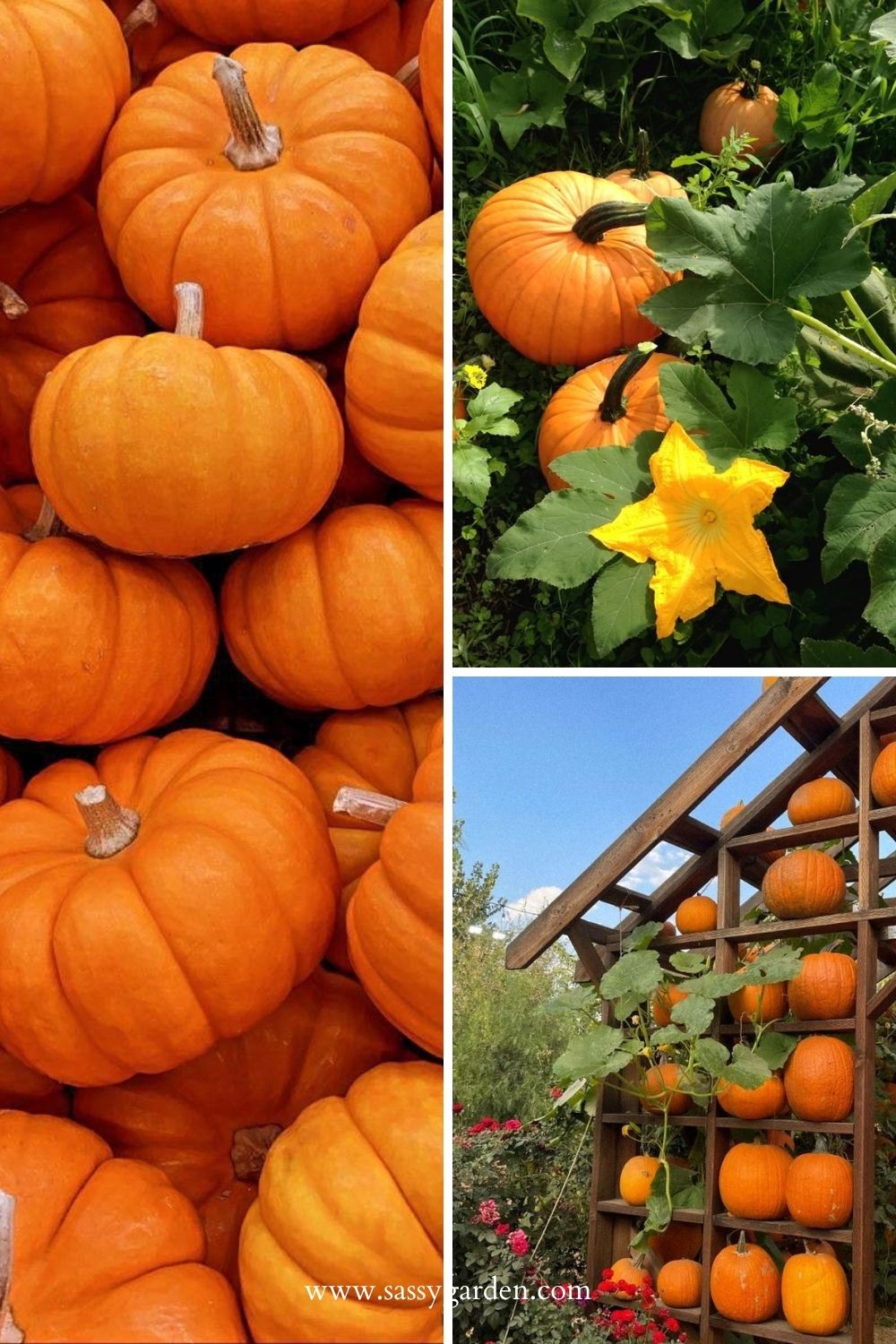
The Fix, Cause by Cause
Now the doing part. Some of this saves the current crop, some sets up next year.
Save This Season’s Fruit
Get every developing pumpkin off wet ground. Slide a scrap of board, a shingle, or a thick pad of straw underneath each one so the skin can breathe and dry. This alone stops soil-contact rot cold.
Remove any fruit that’s already soft, right now, and carry it out of the garden rather than dropping it on the path. A rotting pumpkin left in place just seeds the next one.
If a pumpkin is mostly colored up and starting to go, cut it and cure it indoors. A warm, dry, airy spot around 80°F for about ten days finishes the ripening and hardens the skin. And improve airflow while you’re in there: thin a few crowding leaves so the fruit dries faster after rain. Good light and spacing matter as much for pumpkins as they do for any productive vegetable garden, so don’t let the patch turn into a damp jungle.
Prevent It Next Year
Water evenly and mulch. Consistent moisture is the fix for blossom end rot, and mulch keeps the swings from happening. This is also part of why raised beds earn their keep for pumpkins, because they drain instead of holding a puddle around the fruit.
For pollination, bring in the bees. Plant flowers through and around the patch, or lean on native plants that feed pollinators with zero fuss to keep them showing up during that short morning window. If bees are scarce, hand-pollinate: pick a male flower, peel back the petals, and brush the pollen onto the center of a freshly open female flower in the morning.
For the borers, two moves work. Grow a resistant type, since butternut and other Cucurbita moschata varieties have dense stems borers struggle to enter, and cover young plants with row covers early, removing them at flowering so pollination can happen (or hand-pollinate under the cover). A combination of covers, stem collars, and fall cleanup breaks the cycle. Rotate where you plant cucurbits each year, and pull and compost old vines after harvest so nothing overwinters.
If you ever reach for a chemical control, the label and your local rules govern how and when it’s used. Start with the cultural fixes though. They handle most home-garden cases without any of that.
Pumpkin Rot Questions
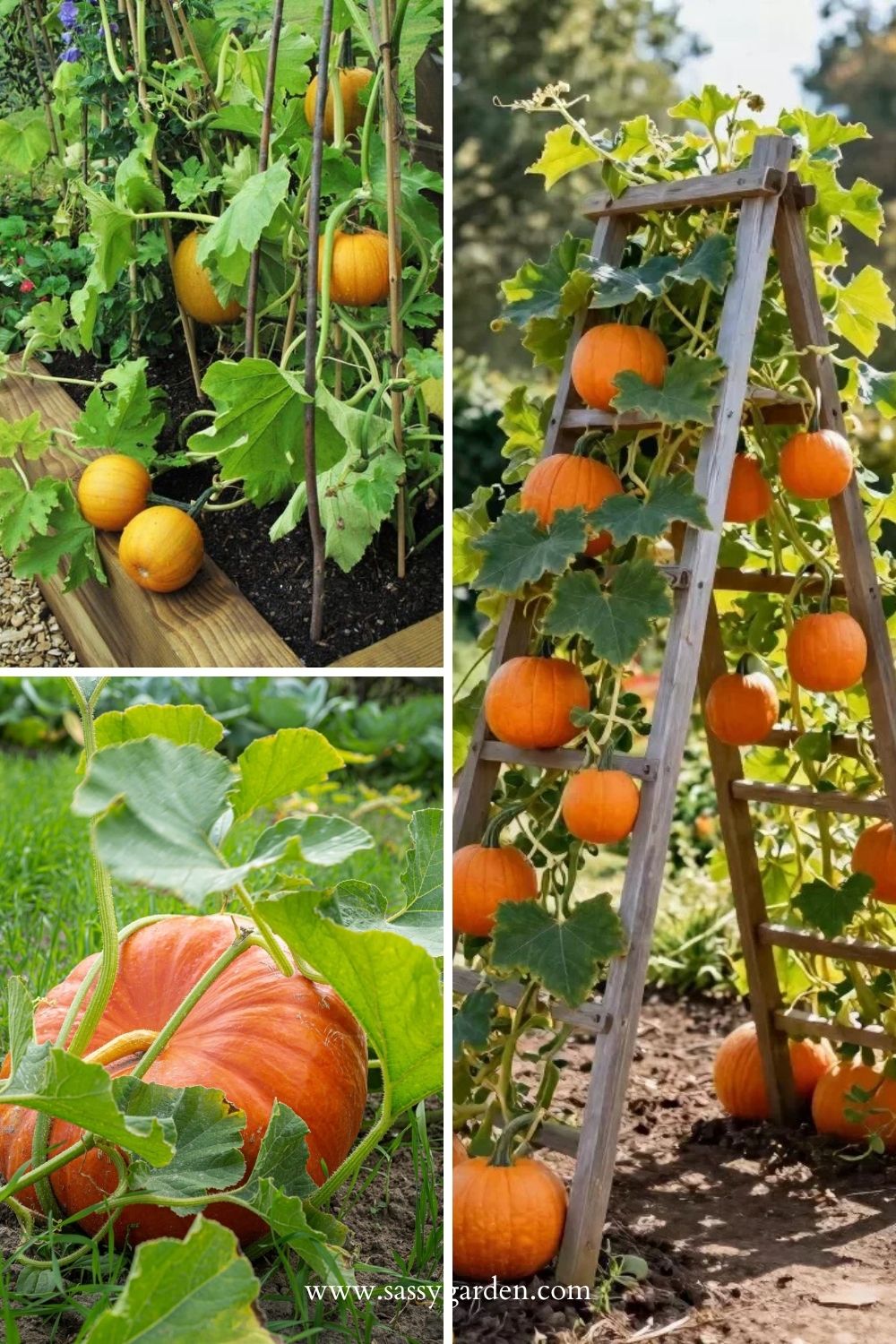
Can You Eat a Pumpkin That’s Partly Rotted?
No, and don’t feed it to pets either.
Once rot or mold has set in, it runs deeper than the visible patch, and the molds involved can make both people and animals sick. Cutting away the bad part doesn’t make the rest safe.
A pumpkin that’s sound but has a tiny fresh nick is different. If it’s firm everywhere and the skin’s just scratched, cure it and use it soon. Anything soft, sunken, or fuzzy goes in the compost.
Should You Pick a Pumpkin Early if It’s Starting to Rot?
Usually yes, if it has any real color.
A pumpkin that’s turning orange and just beginning to rot at one spot is better off cut and cured indoors than left to lose the whole thing on the vine. It won’t get much bigger once rot starts anyway.
If it’s still green and small, though, cutting it gains you nothing, since it can’t ripen off the vine from that stage. Fix the cause and protect the rest of the patch instead.
Does Cutting Off a Rotting Pumpkin Save the Plant?
It protects the other fruit more than the plant itself.
Removing a rotting pumpkin stops it spreading spores to its neighbors, which is worth doing immediately. But if the real problem is a borer in the stem or a fungal bloom in wet soil, the plant needs that cause dealt with too.
So cut the bad fruit, yes, and then go find out why it rotted. The removal is first aid, not a cure.
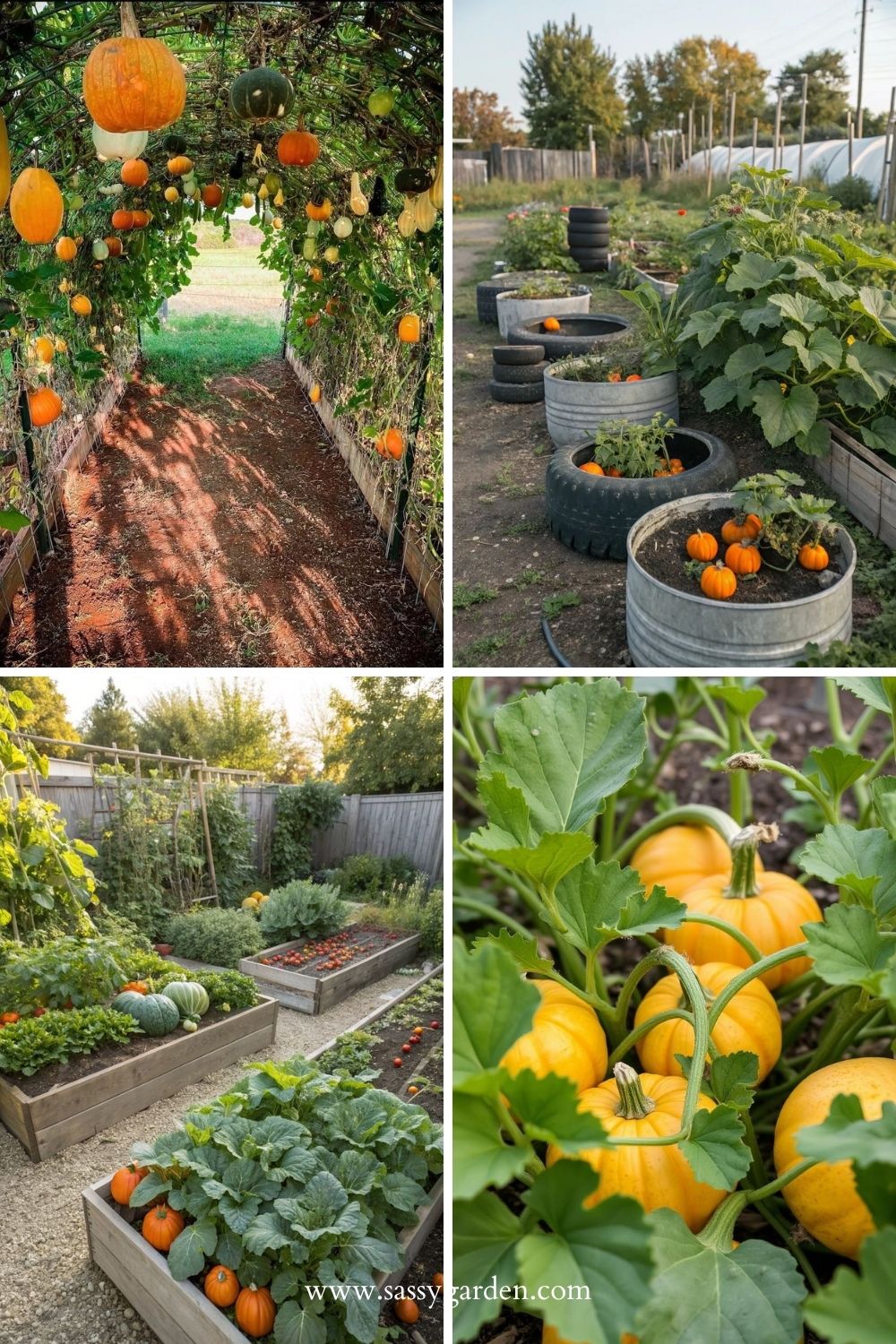
Go do one thing right now, tonight, before you read anything else: walk out to the patch and slide something under every pumpkin that’s sitting on bare soil. A board, a broken paver, a fat handful of straw, whatever’s nearest.
Then pull any fruit that’s already gone soft and carry it out of the garden.
That’s ten minutes, and it stops the two fastest-moving causes on this whole list. The watering, the pollination, the row covers, all of that can wait for tomorrow. Getting your pumpkins up off the wet ground can’t.