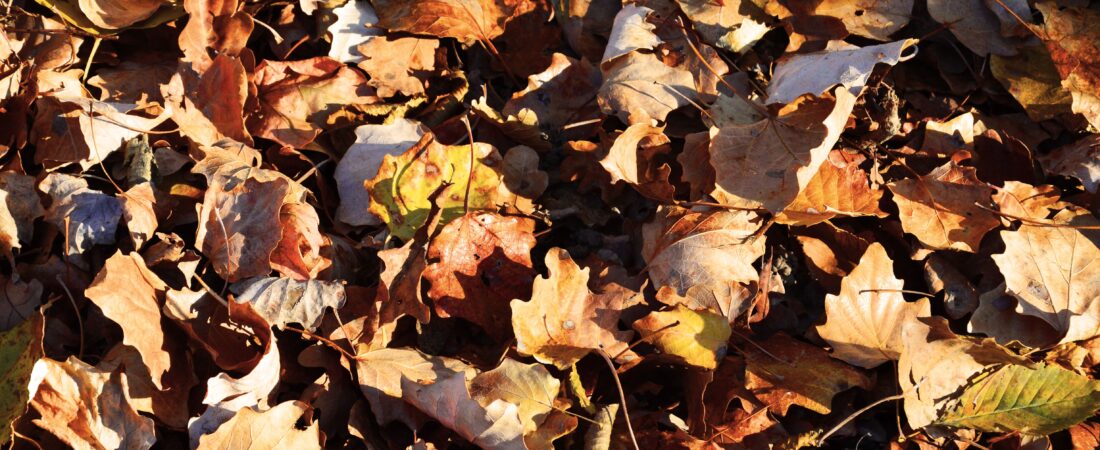
Every November, the curbs fill up with brown paper bags stuffed with leaves, lined up neatly for pickup. Then, a few months later, the same yards buy bags of mulch and compost at the garden center. Those leaves were the mulch and compost, just a season early.
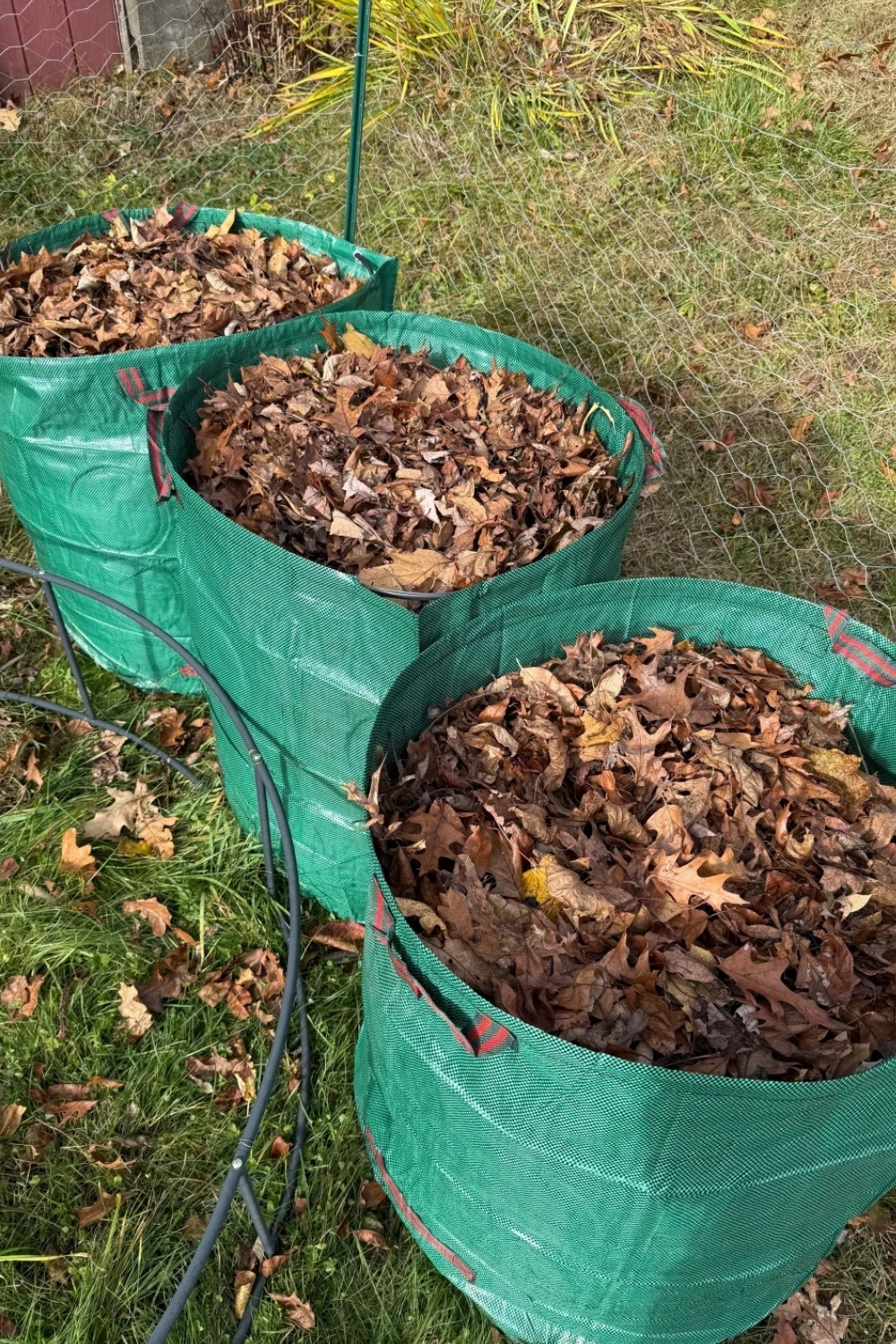
So what to do with fall leaves? Keep them. Every option below puts them to work somewhere in the yard, from the laziest, which is barely more than mowing, to the slowest, which takes a year and gives back the best soil conditioner a garden can get.
Why the leaves are worth keeping
Leaves are also one of the easiest items to tick off a November garden checklist, and a big part of how to prep garden beds for winter. A tree spends all summer pulling minerals up from deep in the soil into its leaves. When those leaves fall and break down, that organic matter goes back into the ground, feeding earthworms and soil life and loosening heavy soil. Bagging them sends all of it to a landfill or a municipal compost site.
Leaves also shelter wildlife over winter. Many butterflies, moths, beetles and spiders spend the cold months in leaf litter as eggs, pupae or adults, and the birds that feed on them in spring depend on that. A layer of fall leaves under shrubs and along the back of a border is about the easiest habitat a yard can offer.
Mow them into the lawn
Effort: one or two passes with the mower. Ready in: a few weeks.
The simplest way to deal with fall leaves on grass is to run the mower over them while they’re dry. The blades chop them into small pieces that drop down between the grass blades and break down over winter. According to LawnStarter’s guide to raking vs. mulching leaves, the pieces should end up about the size of a dime, which may take a second pass, and if leaves cover more than half the lawn, rake some off first so the grass isn’t buried.
A mulching mower, one designed to keep cutting clippings into small bits before dropping them, does the job fastest. The chopped leaves feed the soil a little, too, though they don’t replace a proper fall lawn feeding. A regular mower works too, with a couple of extra passes.
Mulch beds, shrubs and perennials
Effort: an afternoon. Ready in: right away.
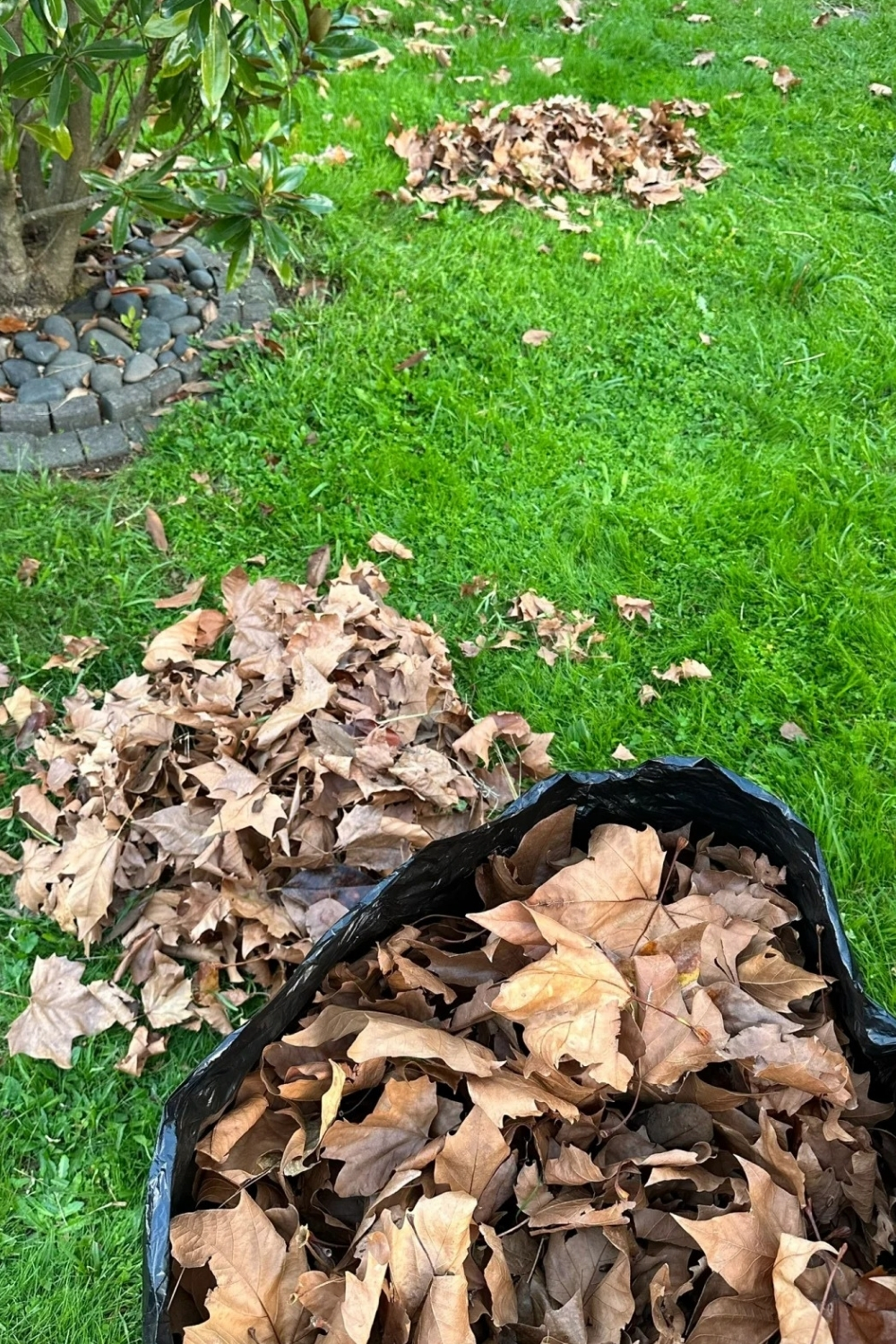
Leaf mulch around shrubs, perennials and trees holds moisture in the soil, keeps the ground from freezing and thawing over and over, and slowly feeds the soil as it breaks down. Spread the leaf mulch 2 to 3 inches deep over the bed, keeping it a few inches away from stems and trunks so they stay dry.
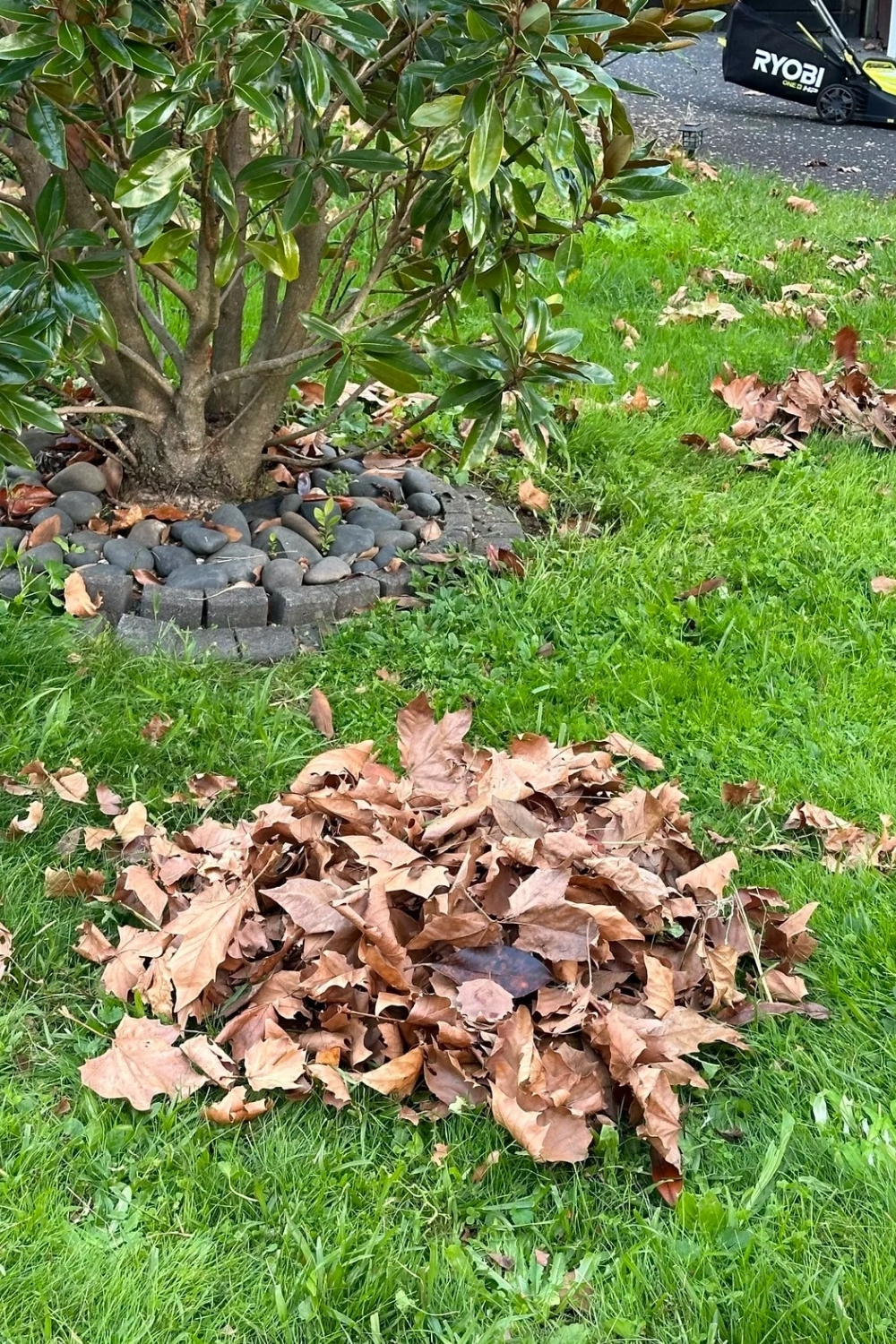
Shredded leaves work much better than whole ones here. Whole leaves, especially big ones, can mat into a soggy, airtight sheet that water runs off. Mow them on the lawn first, collect them with the bagger, and spread the chopped leaves on the beds. They also look tidier, more like a purchased mulch than a pile of leaves.
Cover empty beds and fill raised beds
Effort: an afternoon. Ready in: by spring planting.
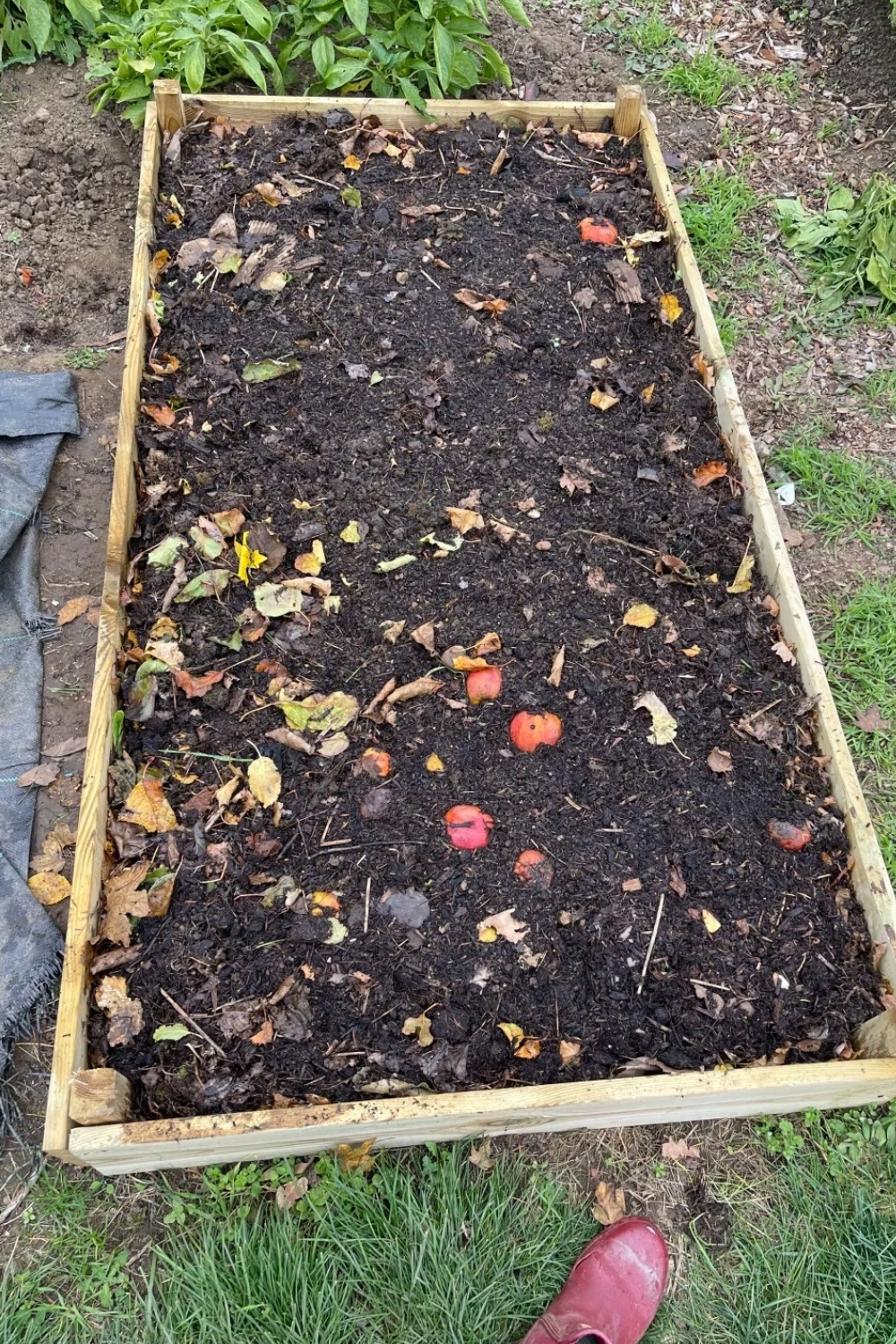
Vegetable beds left bare over winter lose soil to rain and wind. A thick layer of leaves, 4 to 6 inches, protects the surface, and by spring the bottom of it has started to break down into the soil. Rake back what’s left before planting, or plant straight through it.
Leaves in garden beds are also a cheap way to fill a new raised bed. Pile leaves and garden trimmings into the bottom half in fall, top with a few inches of soil and compost, and by spring the leaves have shrunk down into rich, spongy soil. This look at why raised garden beds are worth it covers more on filling and building them, and leaf-covered beds fit right into these kitchen garden ideas, too.
Feed the compost pile
Effort: some mixing now and then. Ready in: a few months to a year.
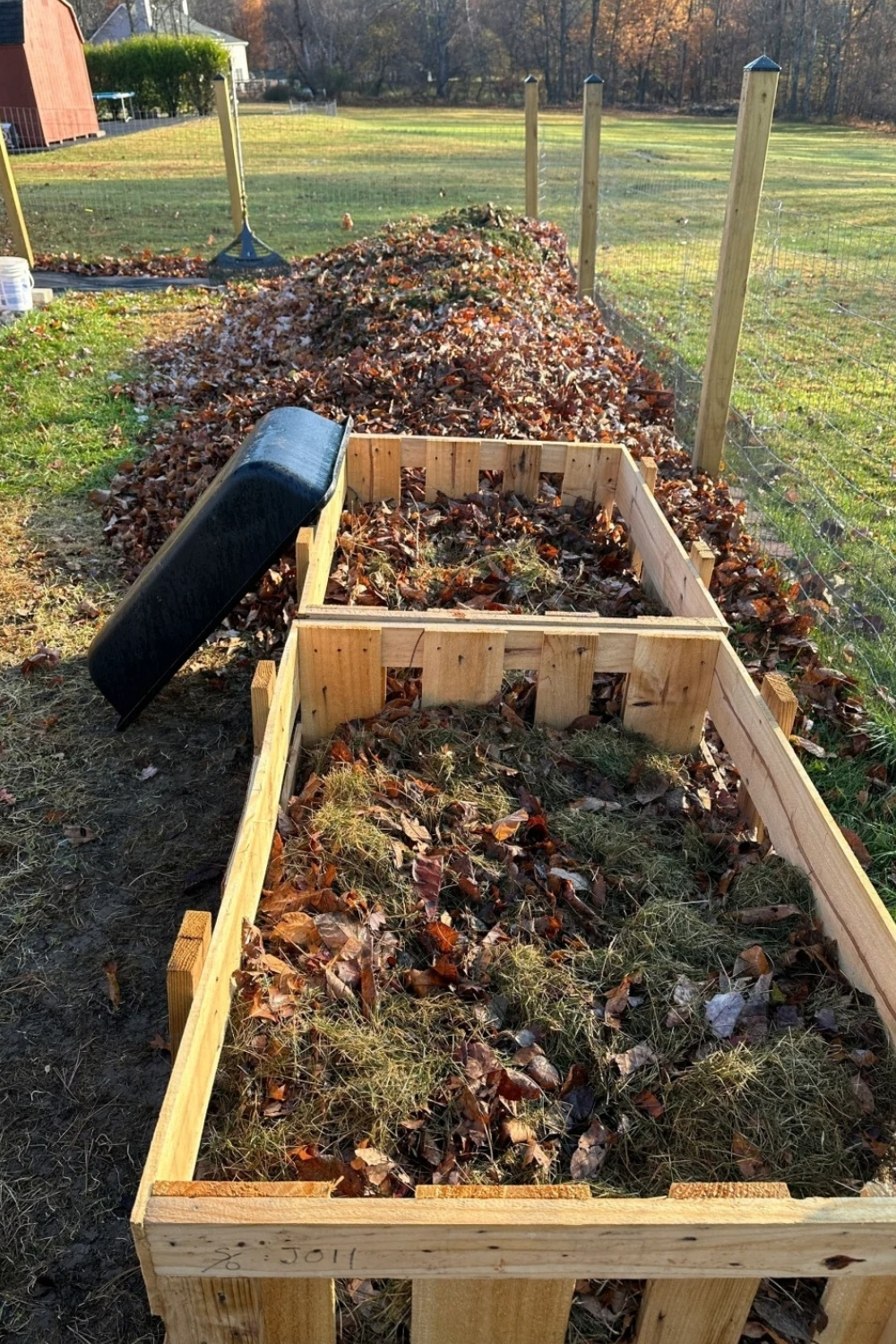
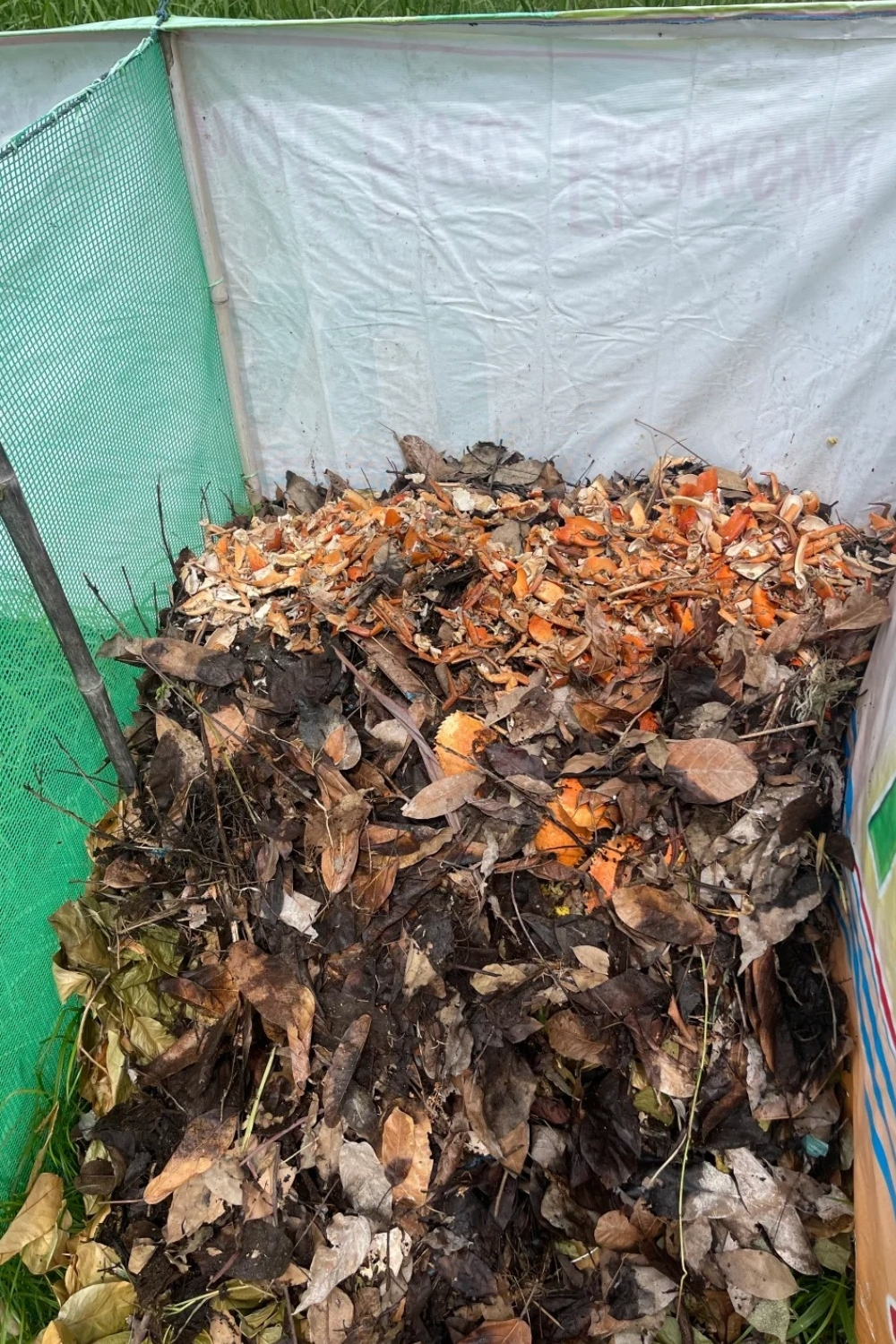
A compost pile needs two kinds of material: “greens,” which are fresh and wet, like kitchen scraps and grass clippings, and “browns,” which are dry and carbon-rich, like straw, cardboard and dry leaves. Fall leaves compost beautifully as browns, and they’re the one thing most piles run short of in summer. A bin by the compost bays, filled with dry leaves in fall, lets you add a few handfuls every time you add scraps all year.
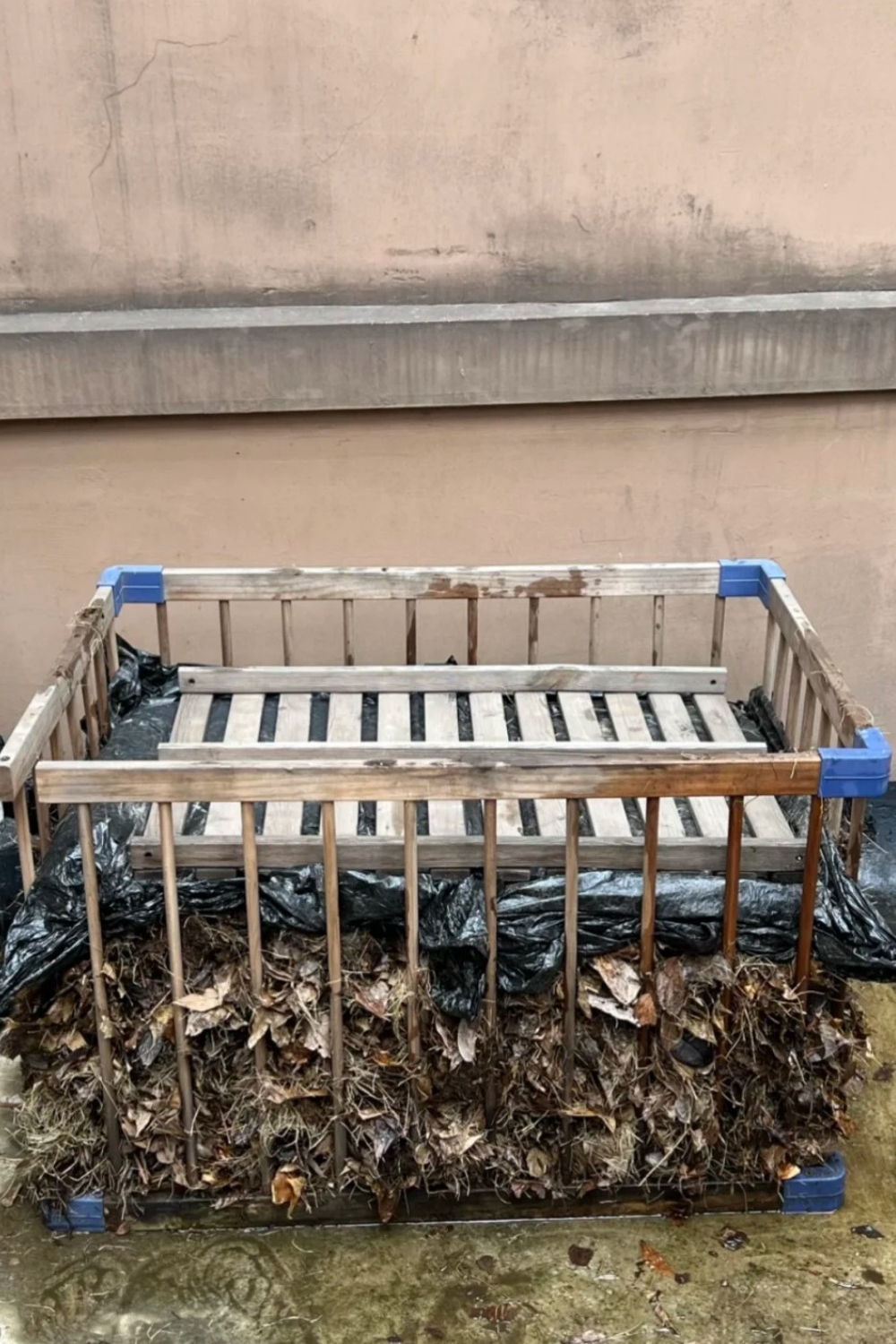
Any slatted frame can hold a store of fall leaves for the compost, even an old wooden crib side or a few pallets wired together. Anyway, so the rule of thumb is roughly two or three parts browns to one part greens by volume, mixed or layered.
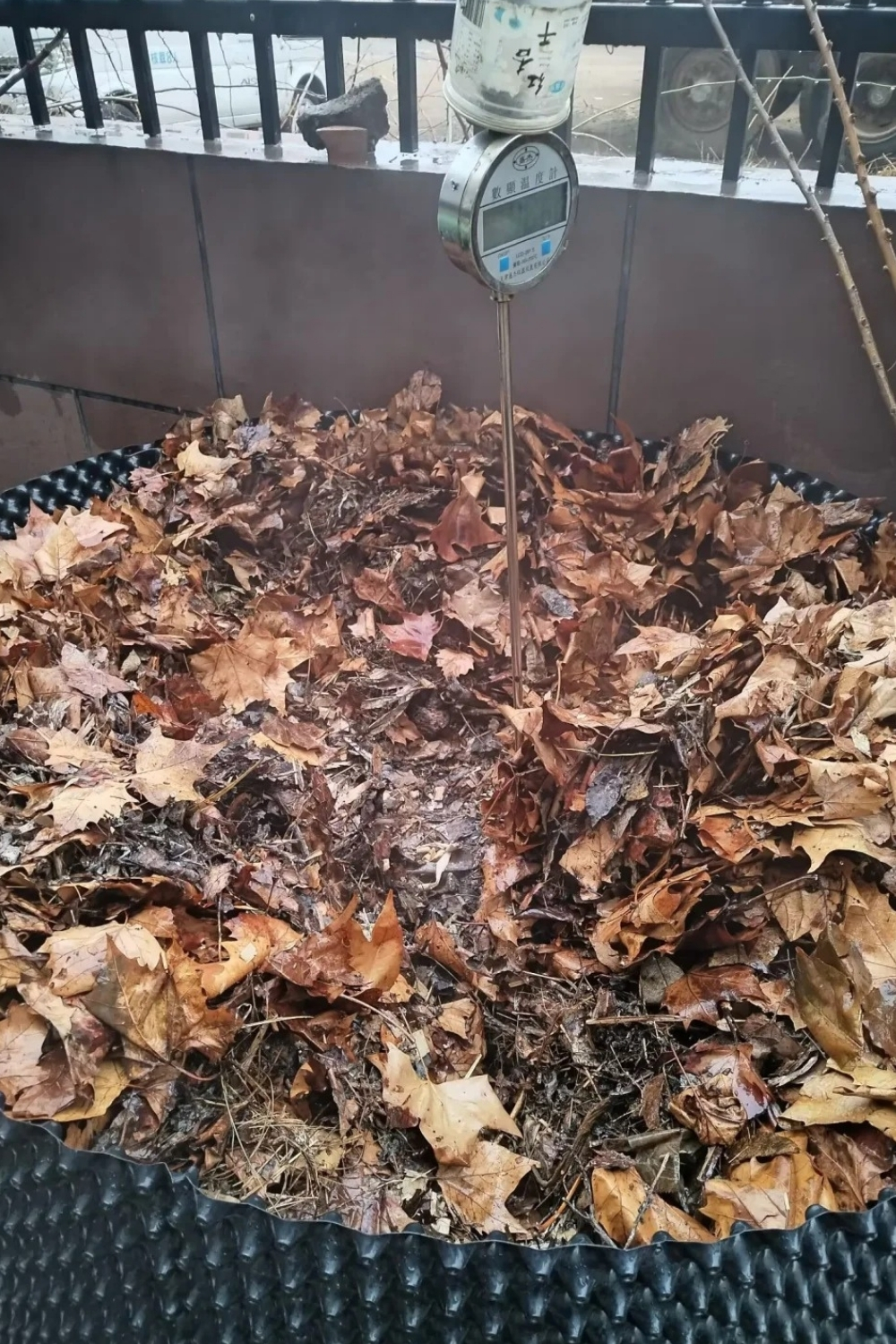
A pile with enough greens heats up in the middle, and a long compost thermometer pushed into the center shows it. Warm means the microbes are busy, and the leaves break down much faster.
Turn them into leaf mold
Effort: five minutes to set up. Ready in: one to two years.
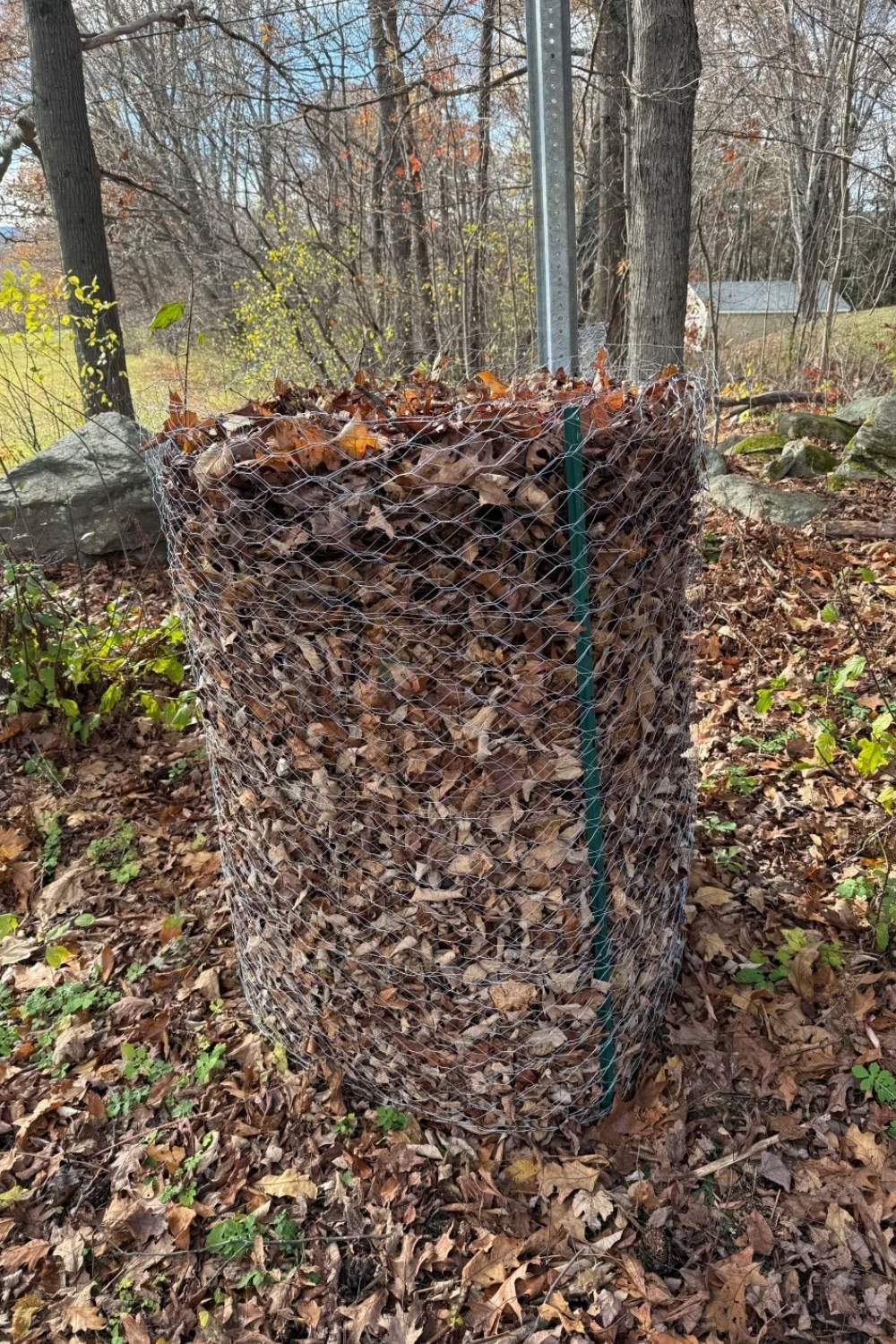
Leaf mold is what leaves become when they’re left to rot slowly on their own, mostly broken down by fungi rather than the bacteria that run a hot compost pile. The result is dark, crumbly and earthy, like the soil on a forest floor. It isn’t a strong fertilizer, but it’s a superb soil conditioner: it holds water like a sponge, improves the structure of both clay and sandy soil, and makes an excellent mulch or a base for homemade potting mix.
Making it takes almost no work. Make a ring of chicken wire or wire fencing about 3 to 4 feet across, stake it in a shady corner, and fill it with leaves, shredded if possible. Water the pile so it’s damp throughout, then leave it alone. According to Grow a Good Life’s leaf mold guide, shredded leaves kept damp can turn into usable leaf mold in under a year, while whole leaves in an untouched pile take closer to two.
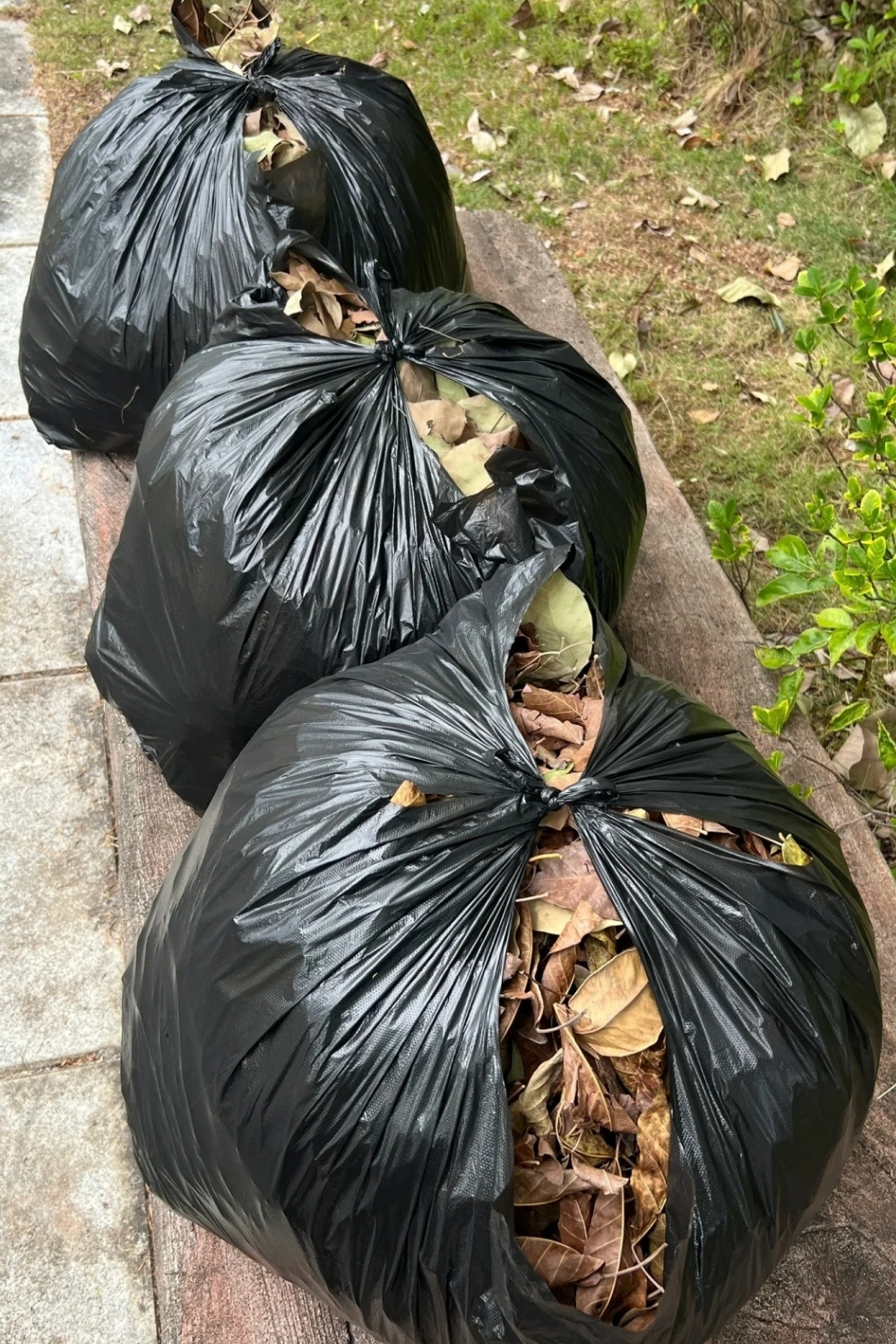
No room for a cage? Bag them, but bag them for yourself. Fill black plastic bags with damp, shredded leaves, poke a few holes in each with a garden fork, tie them shut and stack them behind a shed. Check them in a year.
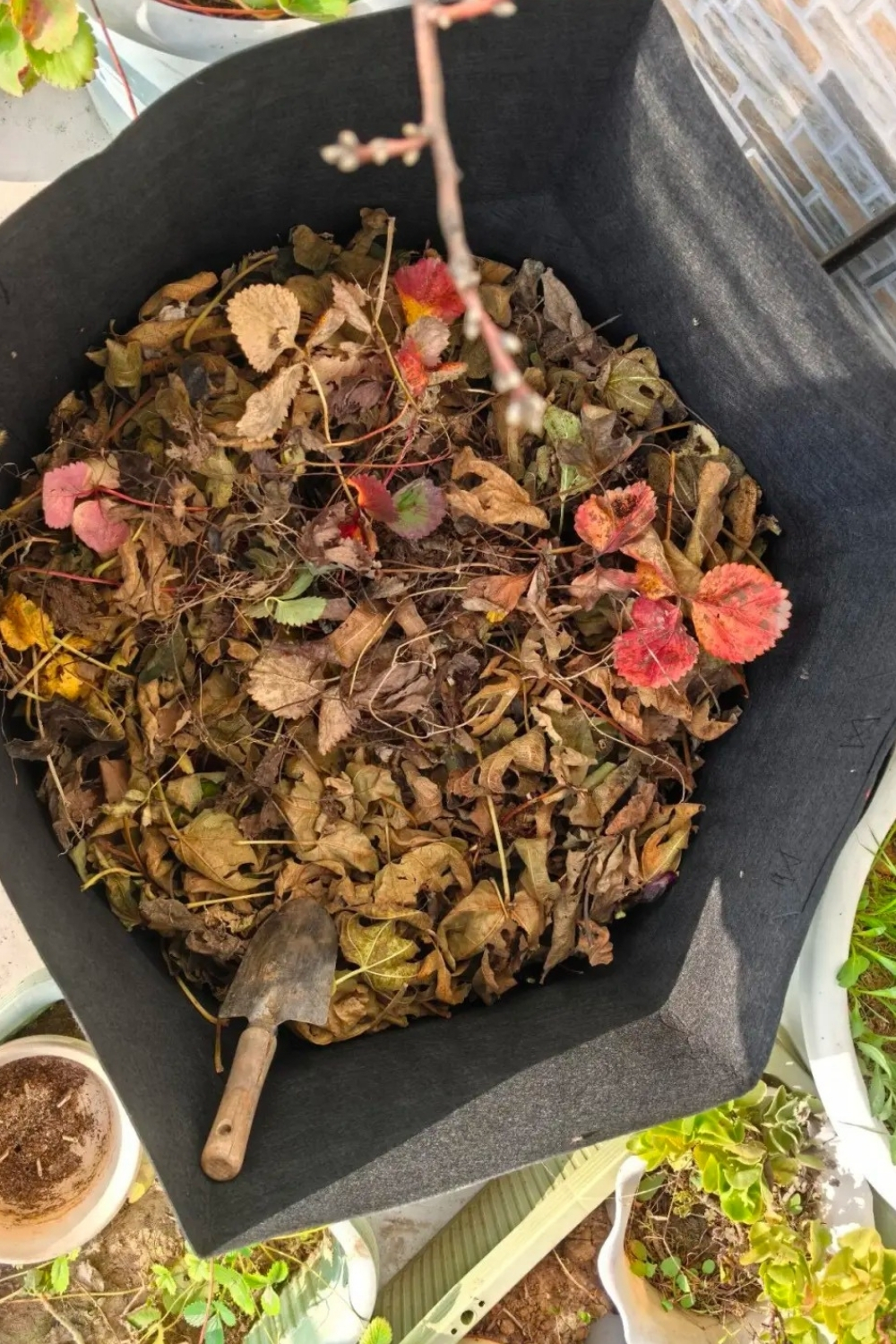
A fabric grow bag works the same way on a balcony or patio, and it lets in more air than plastic.
Slow leaves and ones to keep separate
Not all leaves break down at the same pace. Maple, birch, cherry and ash leaves turn to leaf mold within about a year. Oak, magnolia, sycamore and beech leaves are tough and leathery and can take two years or more. Shredding helps most with these, and mixing them with faster leaves helps too. Their slow breakdown is actually useful on paths and under shrubs, where a long-lasting mulch is the point.
Black walnut leaves are the one kind to keep out of vegetable beds and compost meant for them, since they release a natural compound that stunts tomatoes, peppers and other sensitive plants. Pine needles and waxy evergreen leaves, like holly and laurel, take years to rot and work better as a path or shrub mulch. Leaves from roadsides, you know, that kind of thing, are best skipped, since they can carry road salt and oil.
A few quick questions
Will a leaf layer kill the lawn? Whole leaves left in a thick, wet mat for months can. Chopped leaves mowed into the grass won’t.
Do the leaves need shredding? Not always. It speeds everything up and stops matting, but a leaf mold cage or a wildlife corner works with whole leaves.
Is there such a thing as too many leaves? Not really, given time and space. That’s beside the point for most yards, though, since the leaves are usually gone by the time the cage fills up.
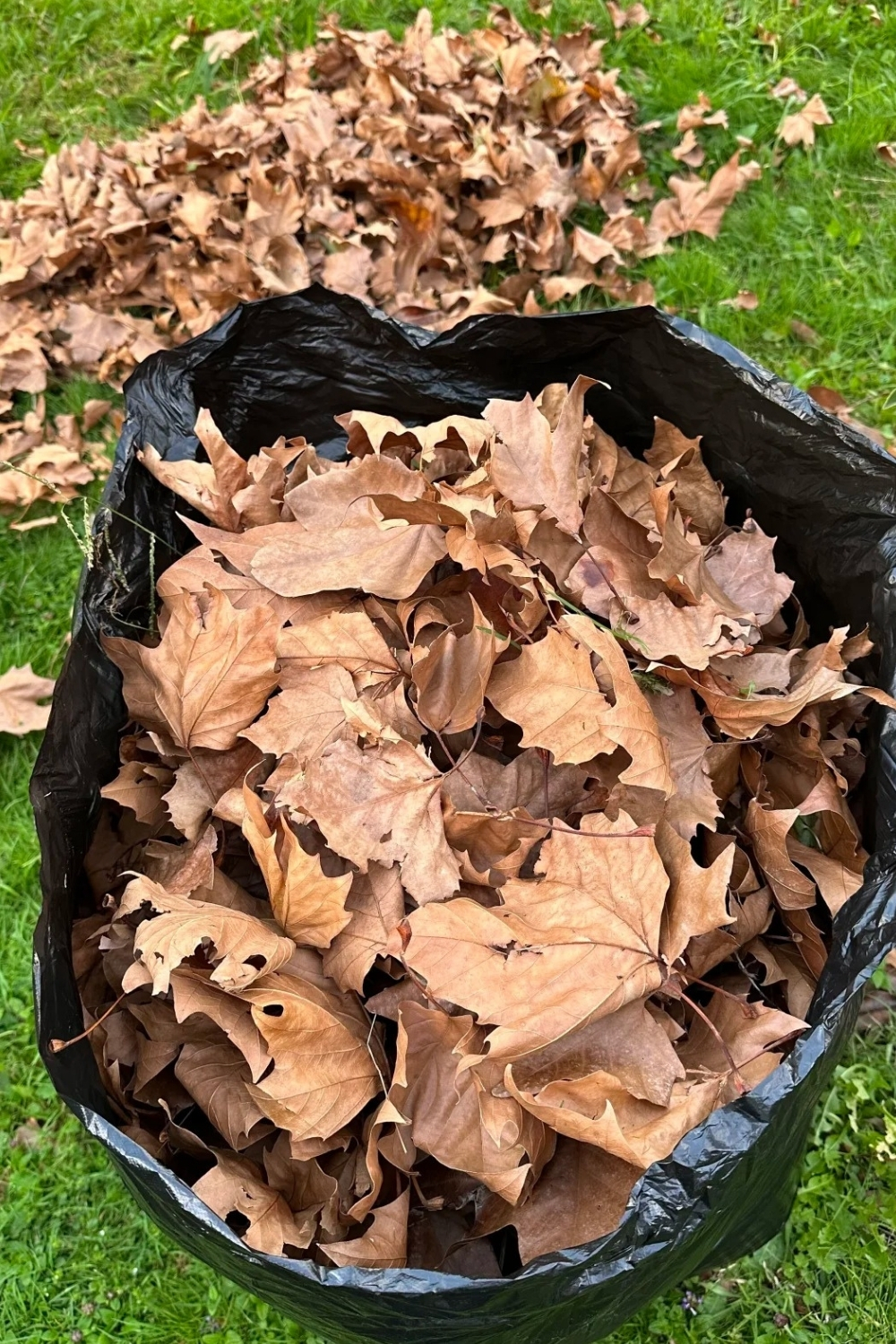
That’s the real answer to what to do with fall leaves. Through winter, they quietly do their thing: insulating roots, sheltering insects, shrinking in their cages and bags. By April, the mulched beds are darker and softer, the lawn shows no sign of last fall’s leaves, and the oldest pile is starting to look a lot like soil.