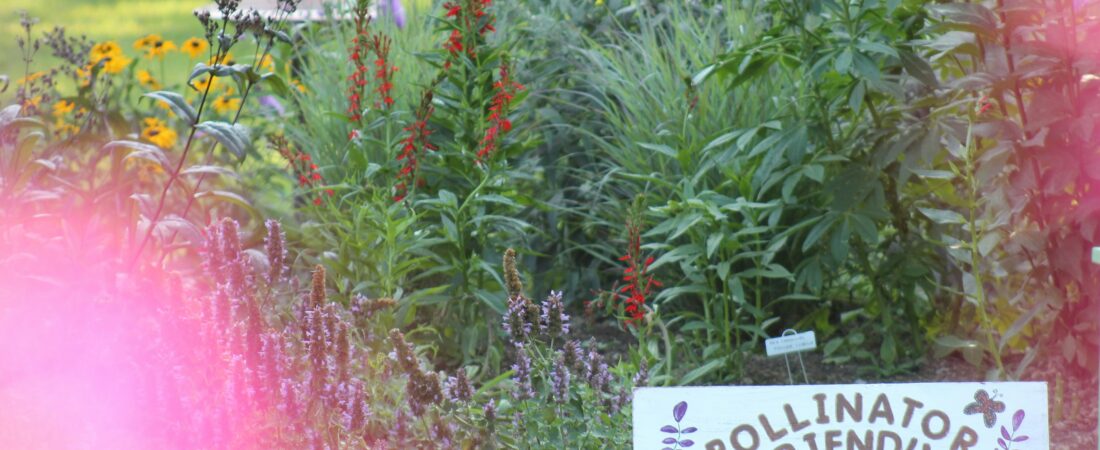
A pollinator garden sounds like a big project, but it can start with a single corner of the lawn. Bees, butterflies, moths and hummingbirds need three simple things: flowers from spring to fall, plants their young can eat, and a bit of shelter. Native plants provide all three with less work than most ornamental borders, because they evolved with your local climate, soil and insects. Once they’re established, many need no fertilizer, very little watering and only one cleanup a year.
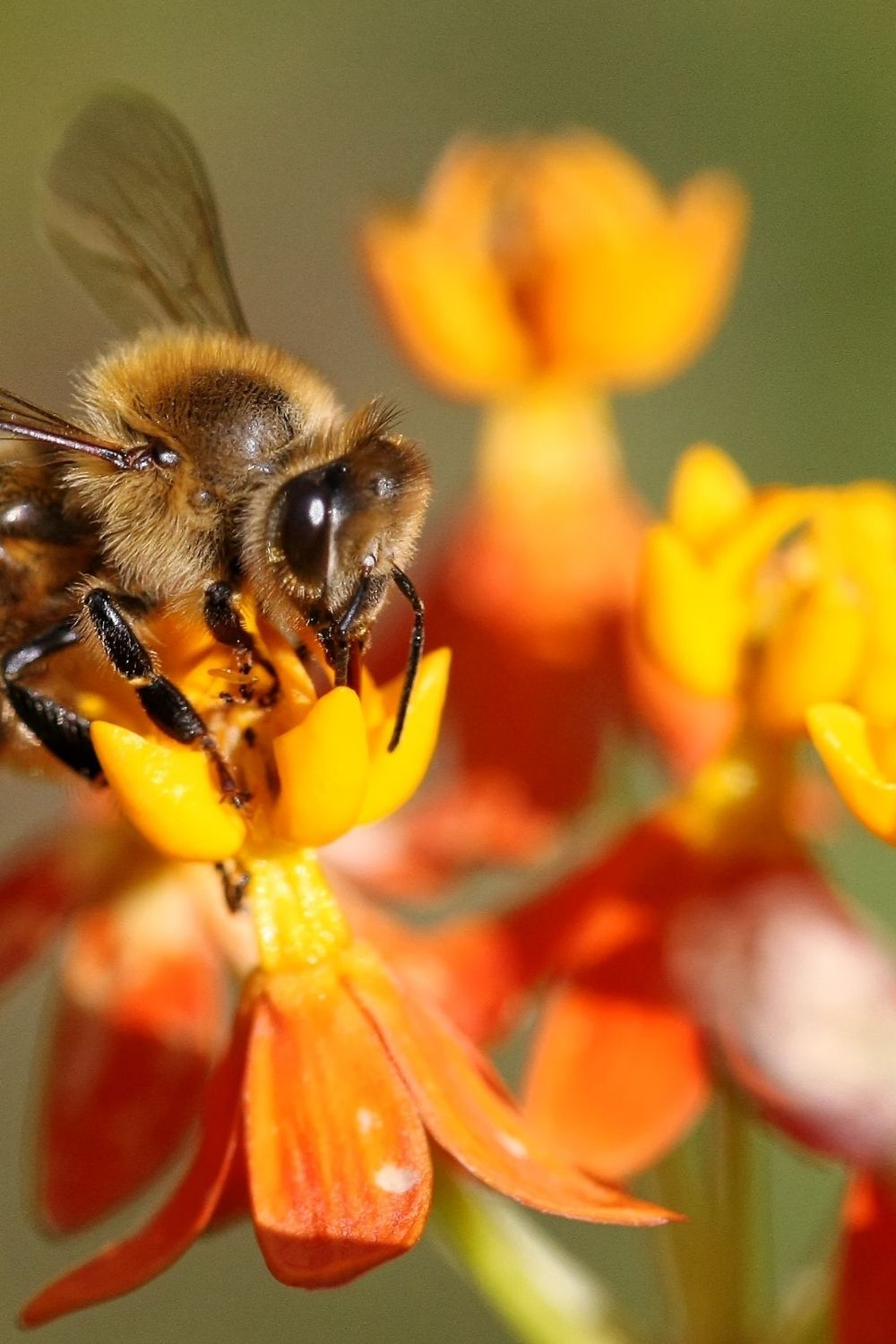
Photo by David Levinson on Pexels
The close-up above shows a honeybee working the bright orange flowers of butterfly weed (Asclepias tuberosa), one of the easiest native plants for a sunny spot. It’s drought tolerant, lives for years, feeds bees and butterflies, and is a host plant for monarch caterpillars. That combination of nectar for adults and food for their young is what makes native plants so valuable. The plant suggestions below are North American natives; if you garden elsewhere, the same ideas work with plants native to your region.
1. Turn a lawn corner into a pollinator patch
You don’t need to dig up the whole yard. A single sunny corner of lawn, even 6 by 10 feet, can become a pollinator patch that feeds insects all season.
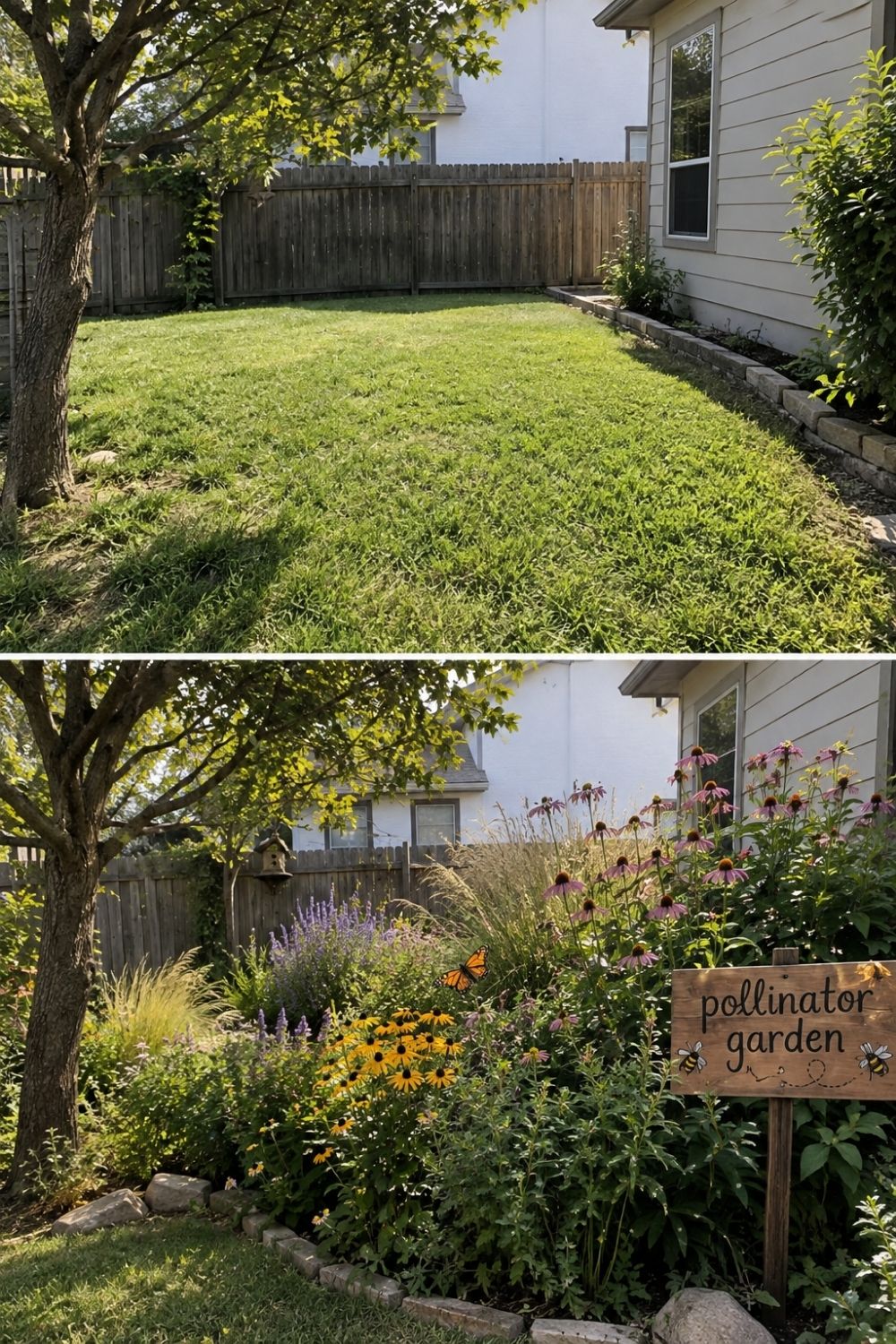
Photo by SassyGarden
The before and after above shows exactly that: a plain green lawn corner between a tree and the house turned into a full pollinator bed with black-eyed Susans, coneflowers, lavender, bee balm and grasses, edged with stones and finished with a small wooden “pollinator garden” sign. Corners are ideal because they’re easy to mow around and rarely used for play. Native grasses such as prairie dropseed along the front edge help too, since they keep the bed looking tidy even in winter.
The easiest way to get rid of the grass is sheet mulching. Mow the lawn short, cover it with overlapping cardboard, wet it well and add 3–4 inches of compost or shredded leaves on top. In fall, this is enough to smother the grass by spring, when you can plant straight through it. For a spring start, cut out the turf with a spade instead.
2. Plant in drifts along a fence
Pollinators find flowers more easily when the same plant grows in a group. A single coneflower is a snack; a drift of seven is a destination.
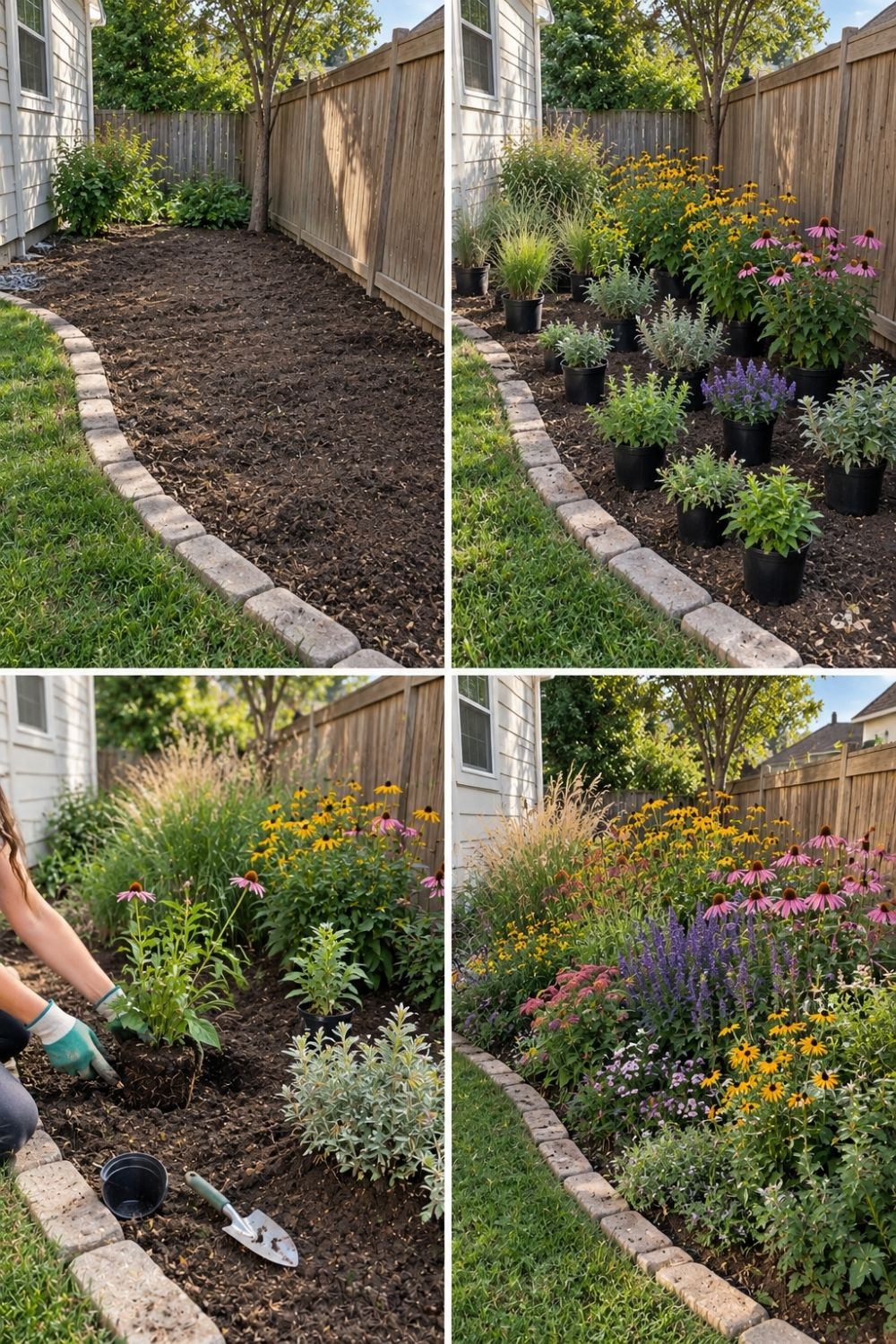
Photo by SassyGarden
The four stages above follow a narrow strip along a wooden fence: first the bare soil with a curved stone edge, then pots set out in groups, then planting, and finally the full border with coneflowers, black-eyed Susans, salvia, bee balm and grasses in bloom. Plant at least three of each kind, and five or seven if the space allows. Put the tallest native plants, such as Joe-Pye weed or tall asters, against the fence and let the shorter ones step down toward the lawn. A fence also shelters flowers from wind, which makes it easier for bees and butterflies to feed.
3. Plan for bloom from spring to fall
A pollinator garden works best when something is always flowering. Early bees emerge hungry in spring, and monarchs need fuel for their fall migration. Aim for at least three plants blooming in each season.
| Season | Native plants (approx. USDA zones) | Who visits |
|---|---|---|
| Spring | Wild columbine (3–8), golden alexanders (3–8), wild geranium (3–8), serviceberry (4–9) | Early bees, hummingbirds |
| Early summer | Beardtongue (3–8), butterfly weed (3–9), coreopsis (4–9) | Bees, butterflies |
| Midsummer | Purple coneflower (3–8), bee balm (3–9), black-eyed Susan (3–9), mountain mint (4–8), anise hyssop (4–8) | Bees, butterflies, hummingbirds |
| Late summer to fall | New England aster (3–8), goldenrod (3–9), little bluestem (3–9) | Bees, monarchs, late butterflies |
Goldenrod deserves a special mention because it gets blamed for hay fever. The real culprit is usually ragweed, which blooms at the same time; goldenrod pollen is heavy and sticky and carried by insects rather than the wind.
Native ranges vary a lot across the country, so check which of these are native in your state. A local native plant society or a native plant nursery will know which ones do best in your area. For a simple starter plan, Gardenary’s guide to starting a pollinator garden walks through the first steps from seed.
4. Lean on the classics: coneflower and black-eyed Susan
If you only plant two native plants, make them these. Purple coneflower (Echinacea purpurea) and black-eyed Susan (Rudbeckia hirta or R. fulgida) are tough, long-blooming and easy to find at any nursery.
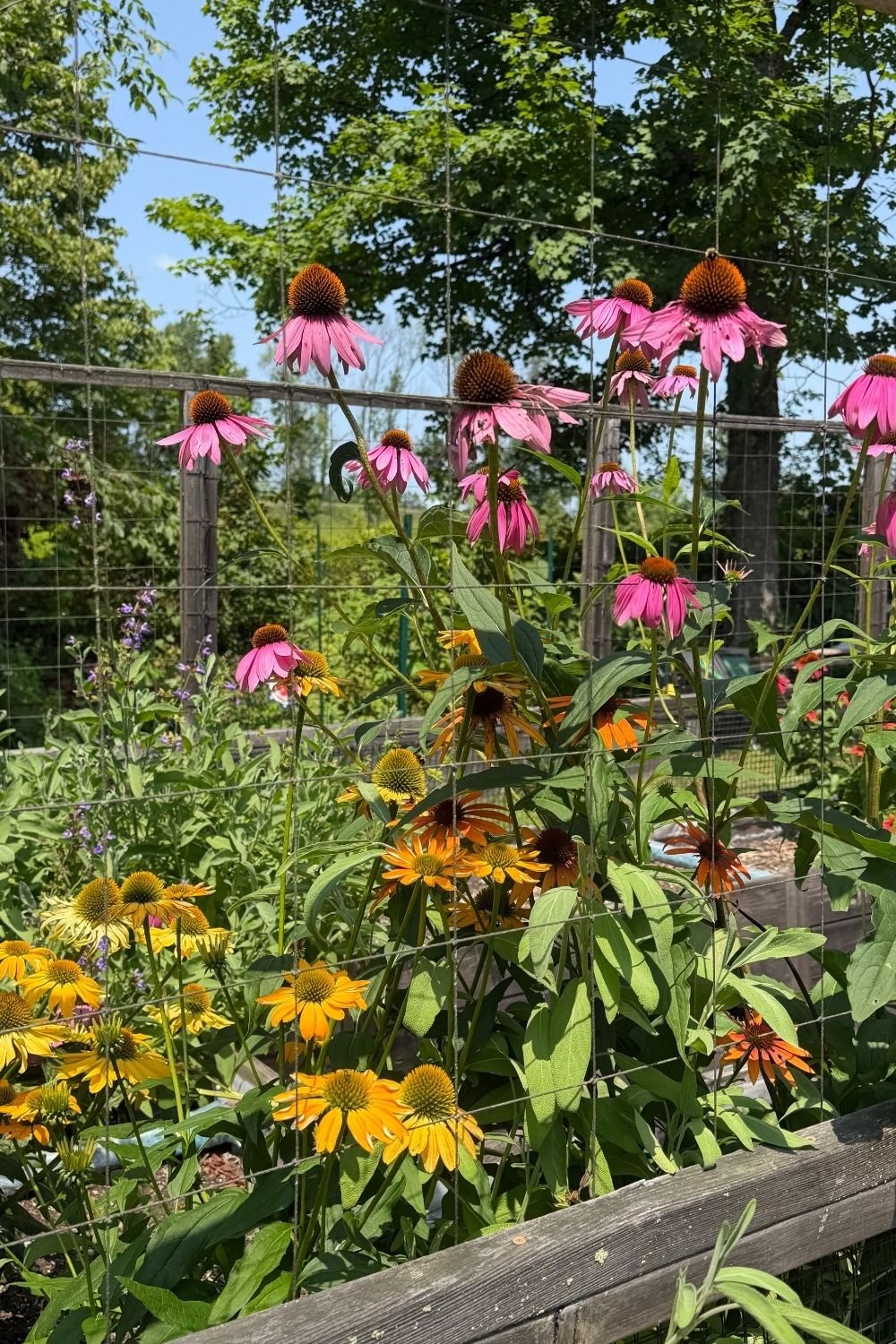
Photo by Shirley Cogen on Pexels
This summer border shows why they’re classics: pink coneflowers with drooping petals rise above a mass of golden black-eyed Susans, in front of a wire fence and tall trees. Both have wide, flat centers that give bees and butterflies an easy landing pad. They cope with heat, clay soil and dry spells once established, and they bloom from midsummer into fall. Leave the seed heads standing in autumn, and goldfinches will pick them clean through winter. Both also appear in my list of drought-tolerant plants that still look lush.
5. Feed caterpillars, not just adults
Most people plant for butterflies. Fewer plant for caterpillars, and without caterpillars there are no butterflies. Many butterflies and moths lay eggs only on specific host plants.
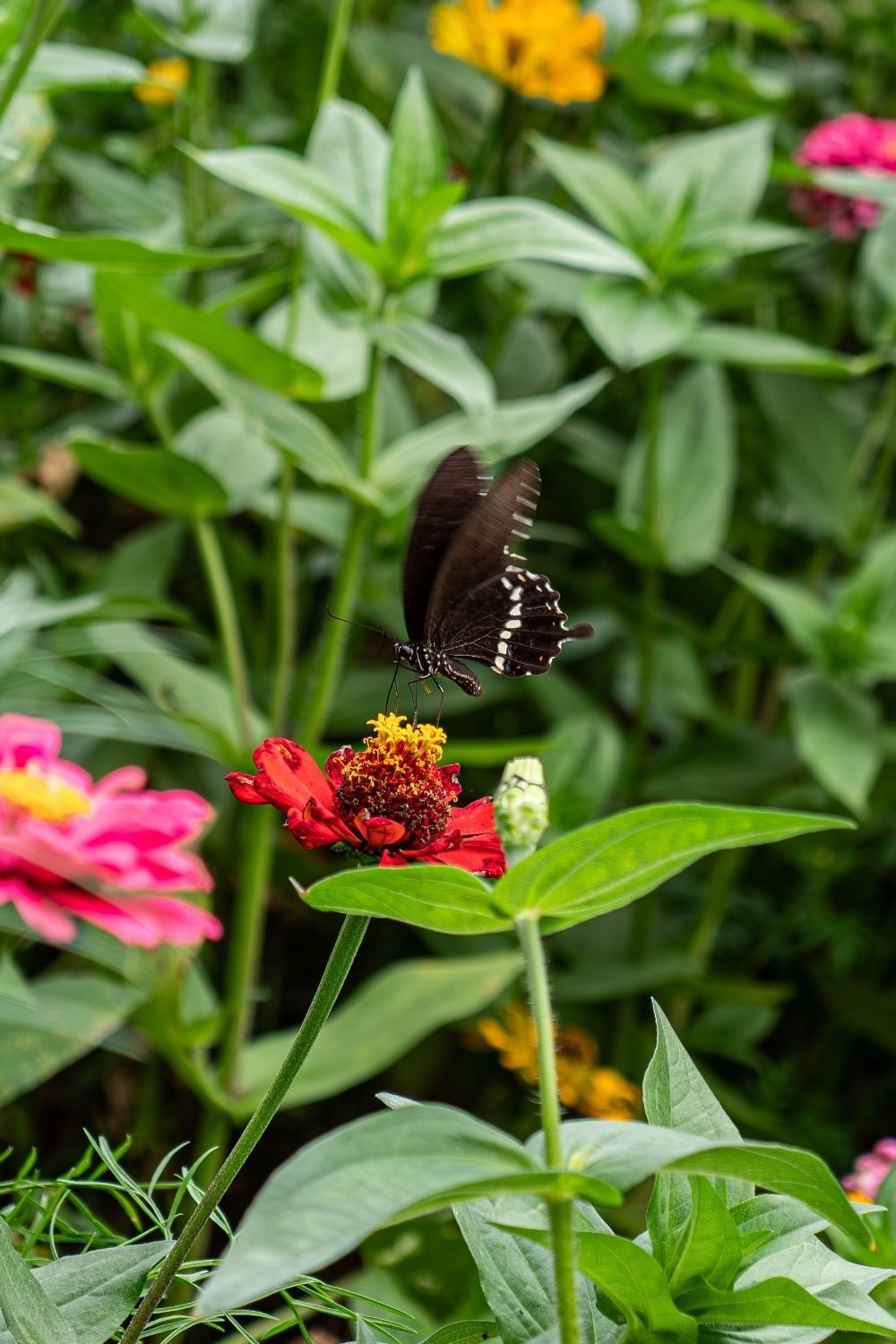
A dark swallowtail-type butterfly rests on a red zinnia in the photo, surrounded by pink zinnias and green leaves. Zinnias aren’t native, but they’re excellent nectar flowers and easy from seed, so a few annuals mixed in are perfectly fine. What matters most is pairing nectar flowers with host plants:
| Pollinator | Favorite flowers | Host plants for their young |
|---|---|---|
| Bees | Open, blue, purple or yellow flowers: mountain mint, asters, coneflower | Bees feed their young pollen and nectar |
| Monarch butterflies | Butterfly weed, asters, goldenrod | Milkweeds only (common, swamp, butterfly weed) |
| Black swallowtails | Zinnias, phlox, coneflower | Golden alexanders, dill, parsley, fennel |
| Hummingbirds | Red, tubular flowers: cardinal flower, bee balm, columbine | Not applicable (they eat insects for protein) |
| Moths | Pale, evening-scented flowers like evening primrose | Oaks, cherries, willows and many perennials |
Expect a few chewed leaves; that’s the garden doing its job. And if you grow herbs, let some dill, parsley and fennel go to flower, since swallowtail caterpillars love them. My post on space-saving herb garden ideas has more on growing herbs in small spaces. A small safety note: milkweeds contain compounds that are toxic if eaten by pets and livestock, and the milky sap can irritate eyes, so wear gloves when cutting them back.
6. Tuck a pollinator border along a path or side yard
Narrow side yards are often bare mulch or gravel. They’re also a great spot for a pollinator border, because you walk past them every day.
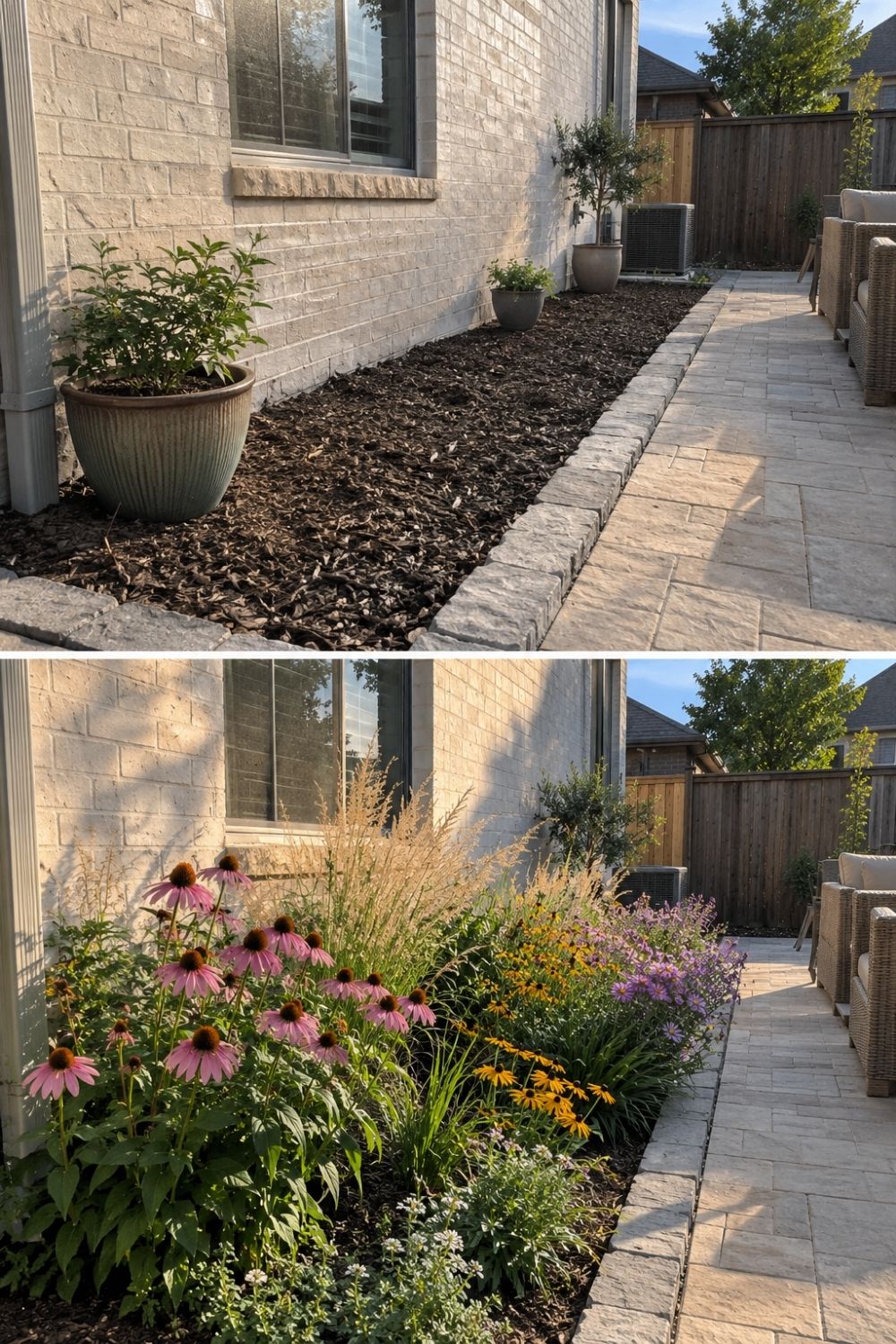
Photo by SassyGarden
The before and after above shows a strip of dark mulch between a pale brick wall and a paved path with only one potted plant. After planting, it’s full of pink coneflowers, black-eyed Susans, asters and feathery grasses spilling toward the path. Side yards are often hot and dry against a wall, so pick drought-tolerant natives like butterfly weed, little bluestem and coneflower. Keep the tallest plants against the wall and the lowest along the path so nothing flops across it.
If you like a softer, more romantic look, native plants mix well with classic cottage flowers; my post on English cottage garden ideas shows how to combine them.
7. Catch rainwater with a pollinator rain garden
A rain garden is a shallow planted dip that collects runoff from a roof or driveway and lets it soak slowly into the ground. Planted with moisture-loving natives, it doubles as one of the best pollinator gardens in the yard.
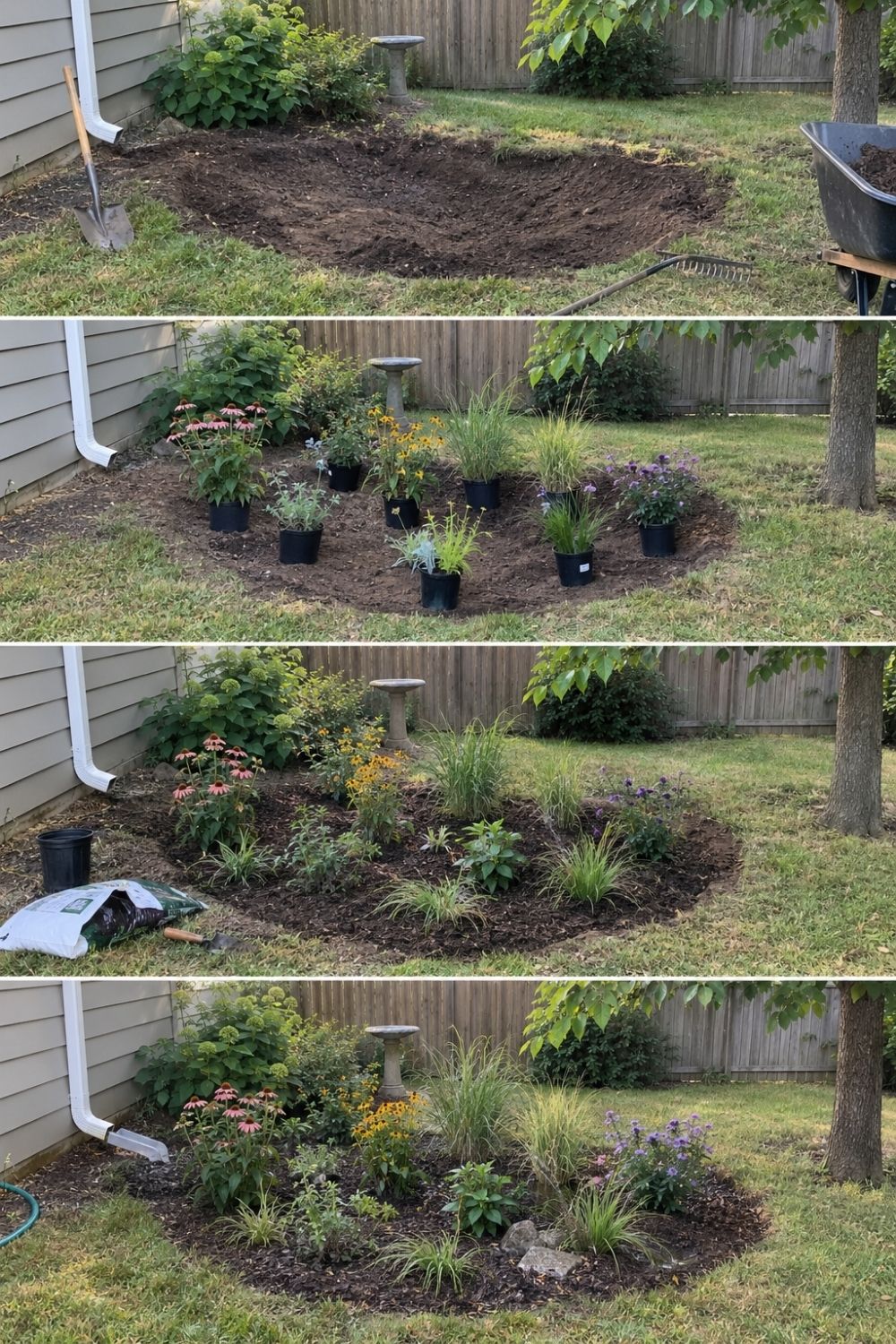
Photo by SassyGarden
The four stages above show a shallow bowl dug in the lawn near a downspout, then pots set out in the basin, then planting, and finally a round bed full of flowering natives and grasses catching water from the gutter. A few tips for a rain garden:
- Place it at least 10 feet from the house so water doesn’t soak toward the foundation, and direct the downspout toward it with an extension or a shallow channel.
- Keep it shallow, usually 4–8 inches deep, so water drains within a day or two and doesn’t breed mosquitoes.
- Plant thirsty natives in the center, such as swamp milkweed, blue flag iris, cardinal flower and Joe-Pye weed, and drier ones like coneflower and little bluestem around the rim.
- Check your soil first. If a hole filled with water takes more than a day to drain, the spot is too heavy for a simple rain garden.
For more ways to handle soggy spots, see my post on backyard drainage problems.
8. Add water, bare soil and a sign
Flowers are only part of a pollinator garden. Insects also need water to drink and places to nest and shelter.
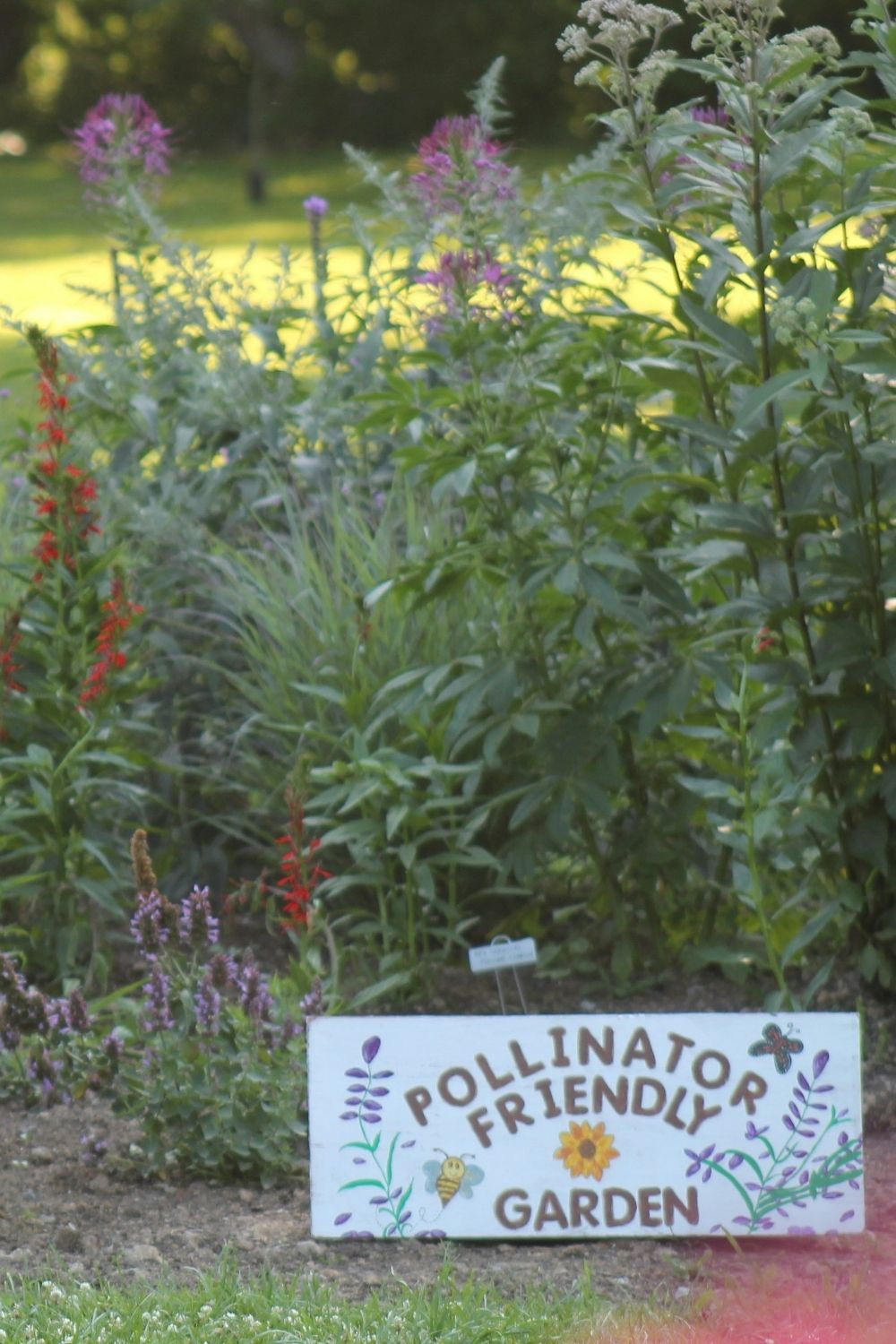
Photo by Nicholas Sorrenti on Unsplash
In this bed, purple cleome, red cardinal flower, spikes of purple hyssop and a small birdbath sit behind a hand-painted “Pollinator Friendly Garden” sign. A sign like that is more useful than it looks: it tells neighbors the loose, seedy look is intentional, which helps if you live somewhere tidy lawns are the norm.
A few habitat touches make a big difference:
- A shallow dish of water with pebbles or marbles in it, so bees can land and drink without drowning. Refresh it every couple of days.
- A patch of bare, sunny soil. Around 70% of native bee species nest in the ground, and thick mulch everywhere leaves them nowhere to dig.
- Standing stems through winter. Many small bees nest in hollow stems. In spring, cut old stems to about 12–18 inches rather than to the ground, and new growth will soon hide them.
- No insecticides. Even organic sprays can harm bees and caterpillars. A few holes in leaves are part of the deal.
9. No yard? Plant a pollinator container
A balcony or small patio can still feed pollinators. Bees and butterflies find flowers several stories up, and a few well-chosen pots can be a welcome refueling stop in a city.
Choose containers at least 12–16 inches wide, since native plants tend to have deep roots and dry out quickly in small pots. Compact natives work best: butterfly weed, anise hyssop, dwarf asters, coreopsis, prairie smoke and short beardtongues all stay manageable. Mix one or two of them with a few long-flowering annuals and flowering herbs such as zinnias, thyme and oregano, and you have color from early summer to frost. Add a saucer of water with pebbles, and water the pots deeply whenever the top inch of soil is dry.
In cold regions, perennials in pots are more exposed to frost than those in the ground. Group the containers against a wall for winter, or wrap them in burlap, so the roots survive until spring.
Low-maintenance rules that keep it easy
- Right plant, right place. Native plants matched to your sun and soil need far less help than struggling ones.
- Water for the first year only. Deep watering once a week while roots establish, then mostly rain.
- Skip the fertilizer. Most native plants flop and grow weak in rich soil.
- Plant densely. Close planting leaves less room for weeds and less mulch to buy.
- Do one cleanup a year, in spring, not fall, so seeds and hollow stems feed and shelter wildlife through winter.
Start small: one sunny corner, three kinds of native plants in groups of three or more, something blooming in each season and a dish of water. That’s a real pollinator garden, and once you’ve watched it fill with bees in July, you’ll probably want to dig up a little more lawn next year.