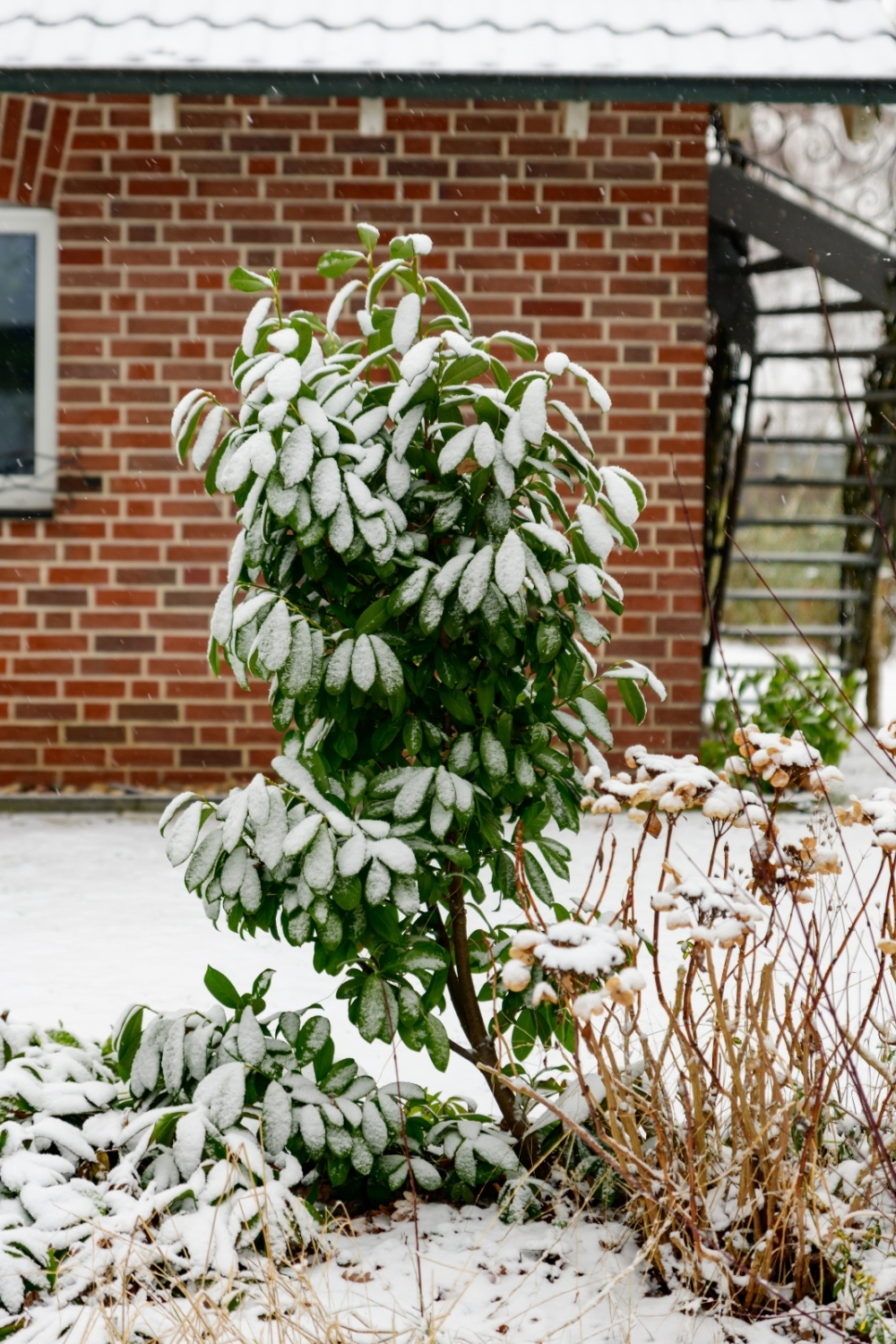
The first real freeze usually shows up on a clear, still night. In the morning the lawn crunches underfoot, the birdbath has a lid of ice, and every leaf on the shrubs by the house is outlined in white. Light frosts come and go all fall, but a hard freeze, when the temperature drops to about 28 °F or lower for several hours, ends the season for tender plants and starts to lock up the soil.
This November garden checklist covers the jobs worth finishing before that night arrives. Each one gets a short rundown here, with a link to the full guide where one exists.
When to start
The timing of November gardening depends a lot on where you live. In zones 3 to 5, the hard freeze often comes in late October or early November, so this list is really an end-of-October garden to-do list, and some jobs, like covering plants and moving pots, can’t wait. In zones 6 and 7, most of November is fair game, with the first hard freeze usually landing mid to late month. In zones 8 and warmer, a hard freeze may not come until December or at all, so fall garden cleanup can stretch into winter at an easy pace.
The simplest way to time it: check the ten-day forecast every few days through November, and as soon as nights in the mid to upper 20s show up, do jobs 1 and 2 first. Everything else on this November garden checklist can wait for a mild weekend. Work through the list in order, and the most time-sensitive things in the garden in November get done before the weather decides for you.
1. Cover tender plants before the hard freeze
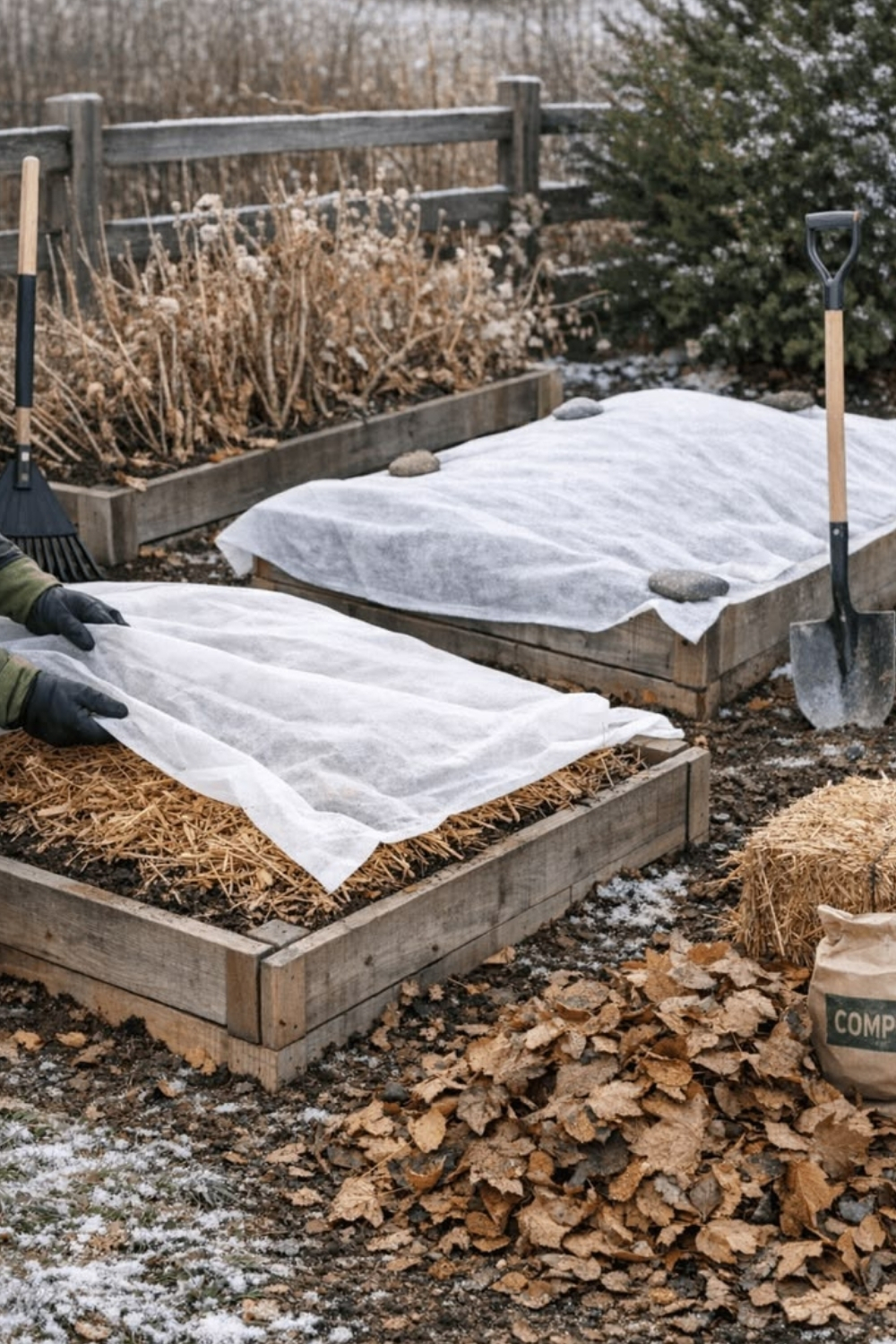
Anything still blooming or producing, from late chard to a borderline-hardy shrub, needs a cover on cold nights. Frost cloth, the light white fabric sold as row cover or plant fleece, holds a few degrees of warmth around plants while letting in light and air. Drape it over beds or wrap it around shrubs, and let it reach the ground on all sides, since the warmth it traps comes up from the soil.
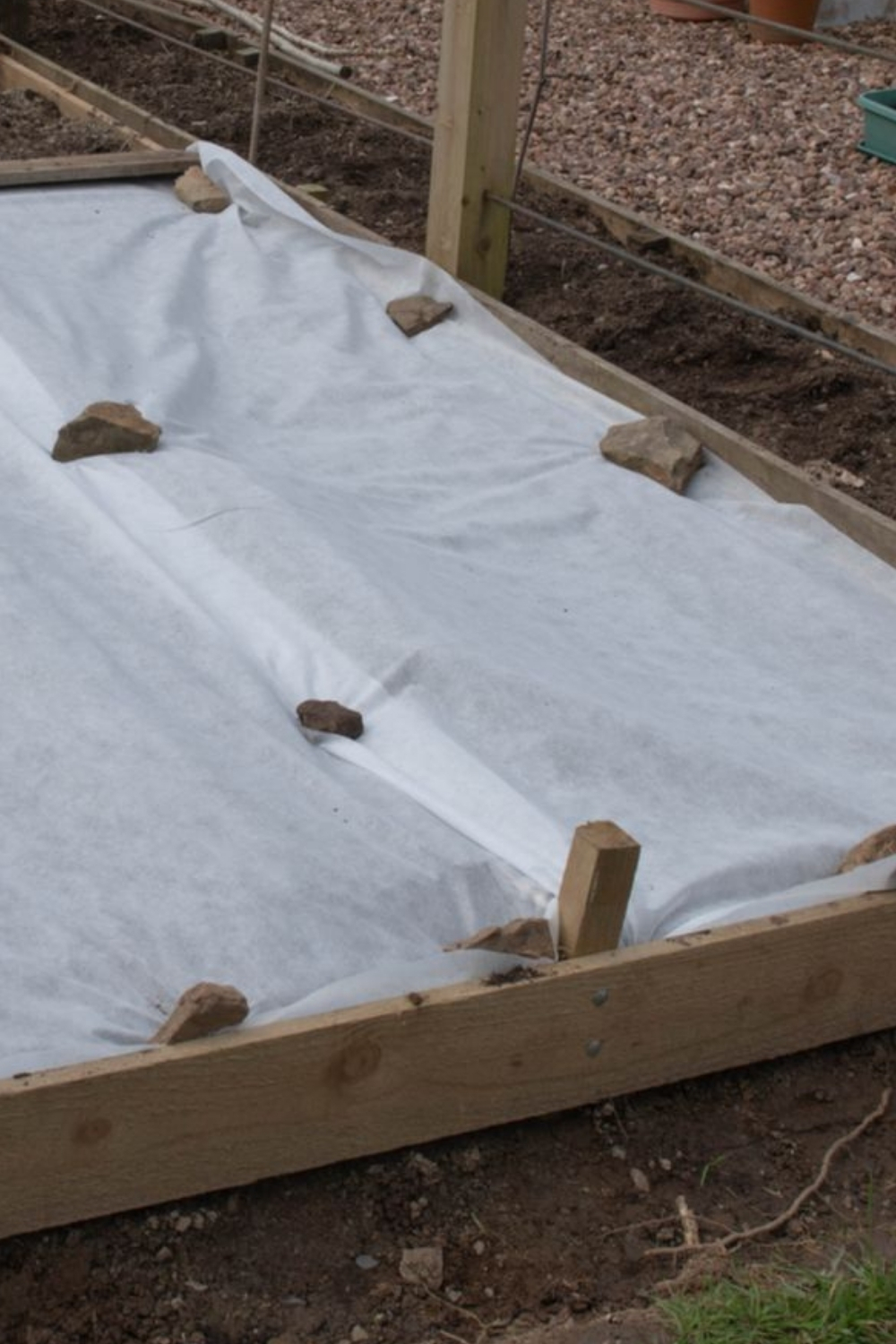
Weigh the edges with stones or boards so wind can’t lift it. Never let plastic touch the leaves; it conducts cold straight through.
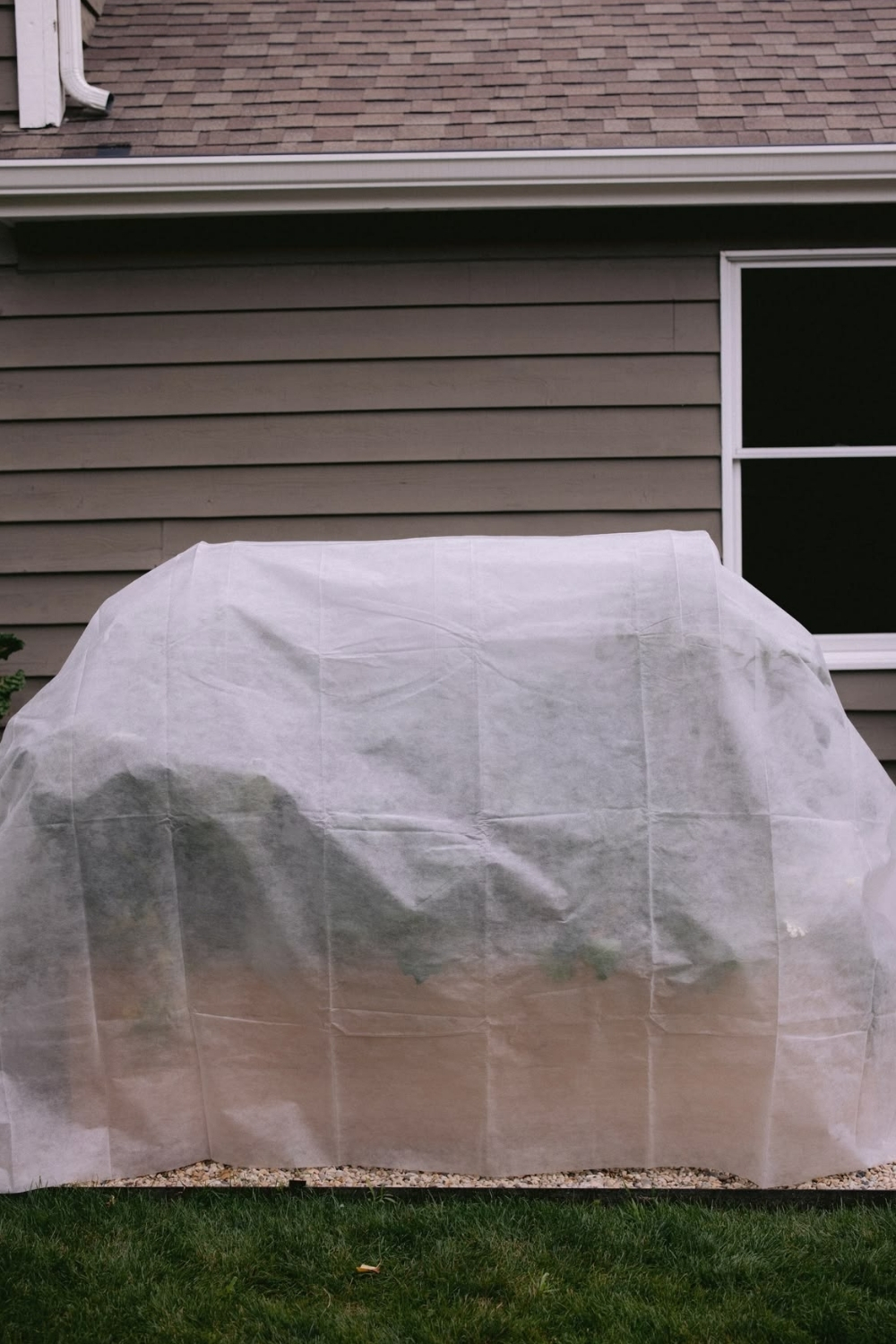
For shrubs, a fleece bag or a loose wrap is quicker than a sheet. This guide to overwintering dahlias, geraniums and potted plants covers covers, cloches and burlap in detail.
Done when: every tender plant you want to keep has a cover ready to throw on.
2. Move pots and tender plants under shelter
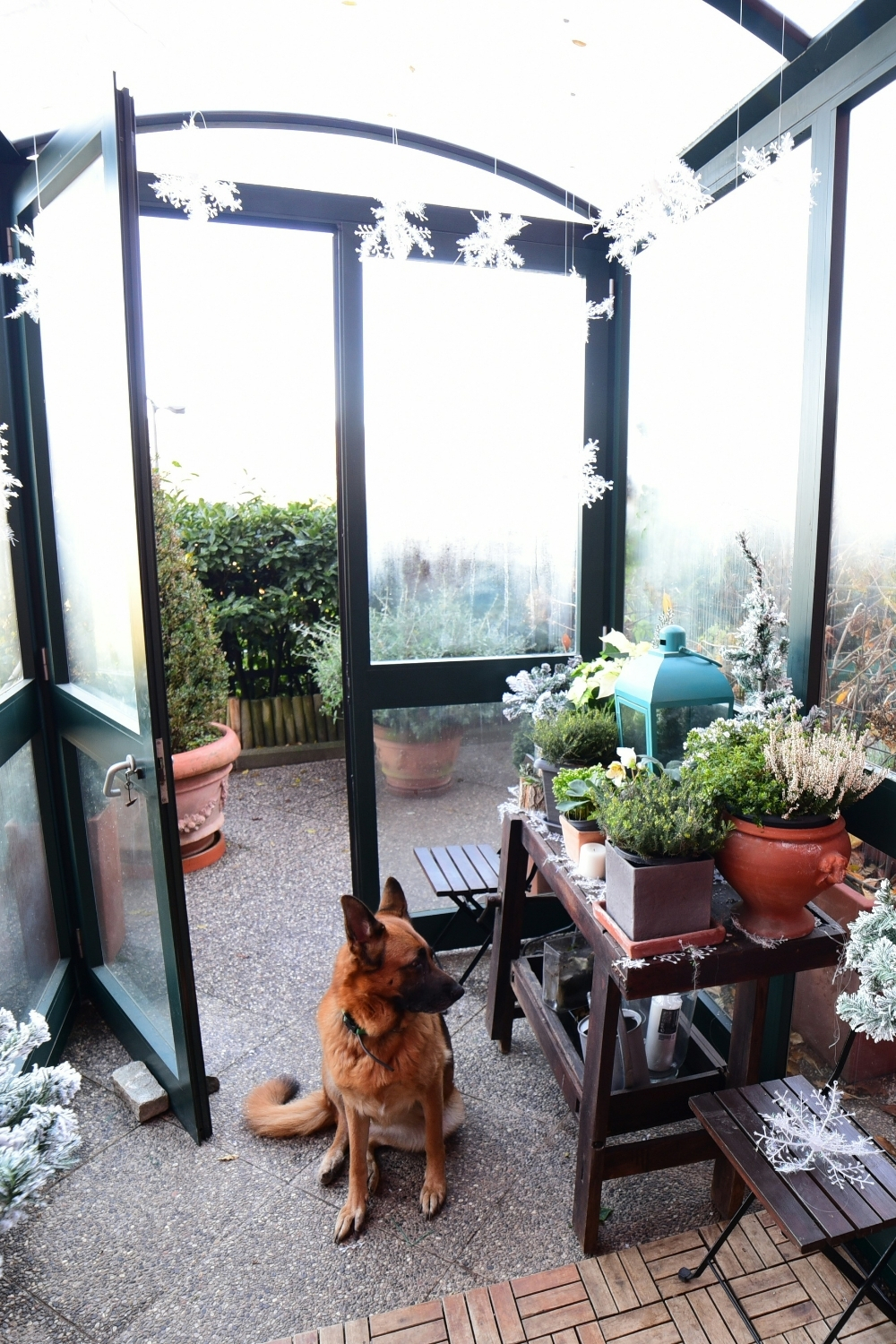
Of all the garden tasks in November, this one is the most urgent. Pots freeze from every side, so roots in containers are far more exposed than roots in the ground. Move tropical plants, citrus, potted rosemary and anything in terracotta, which can crack as wet clay freezes, into a porch greenhouse, sunroom, garage or shed. Empty and store any pots you aren’t using. Dahlias and other tender bulbs come out of the ground about a week after frost blackens their leaves.
Done when: nothing tender is left outside in a pot.
3. Cut back some perennials and leave the rest
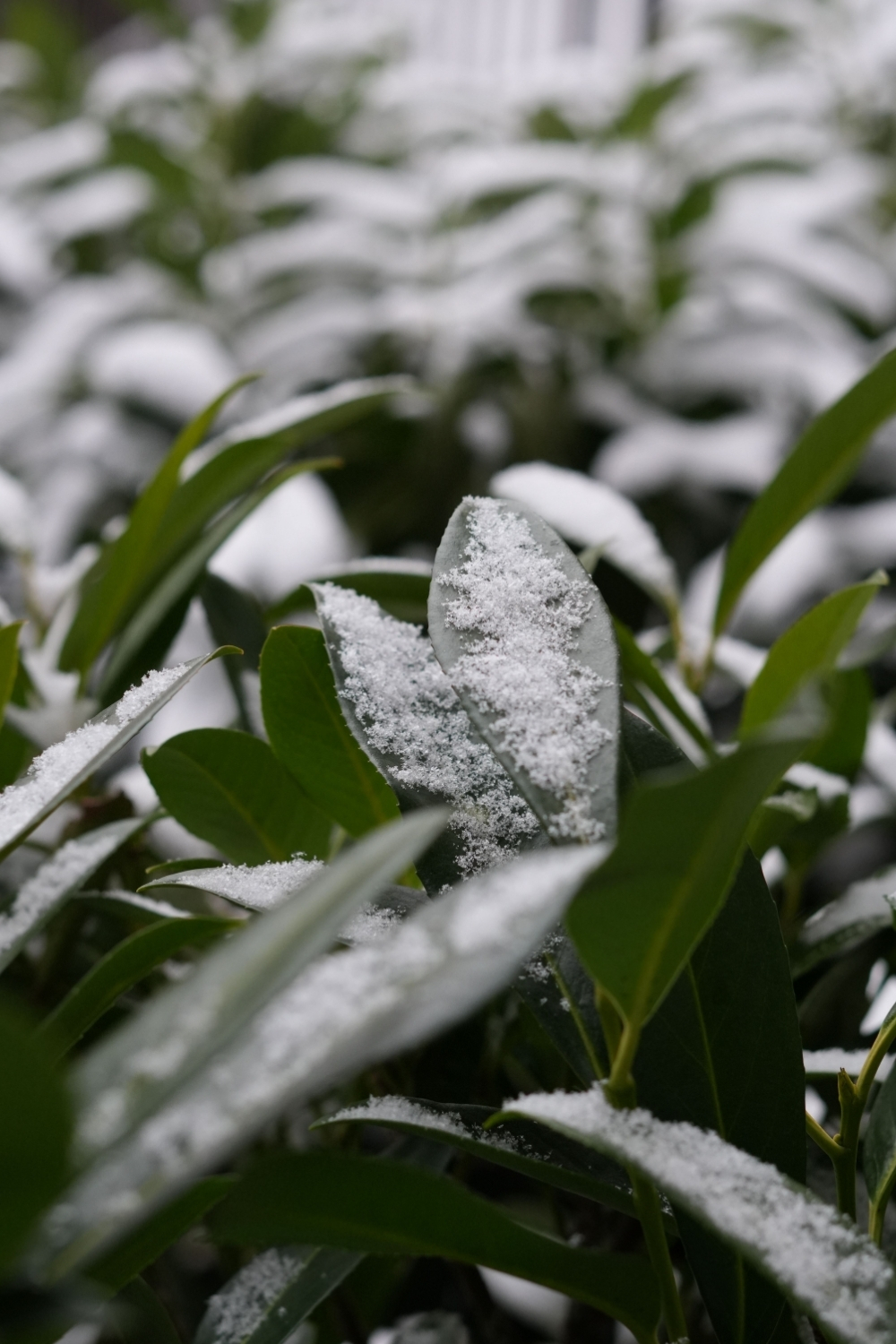
Not every perennial needs cutting back in a fall garden cleanup. Cut down plants that collapse into mush after frost, like hostas and daylilies, and any plant that had disease this year, such as peonies with leaf blotch or phlox with powdery mildew. Leave sturdy stems and seed heads standing: coneflowers, rudbeckias, sedums and ornamental grasses feed birds, shelter overwintering insects and look good with frost on them. Tidy them in early spring instead.
Done when: the mushy and diseased stuff is gone and the seed heads are left for the birds.
4. Put fall leaves to work
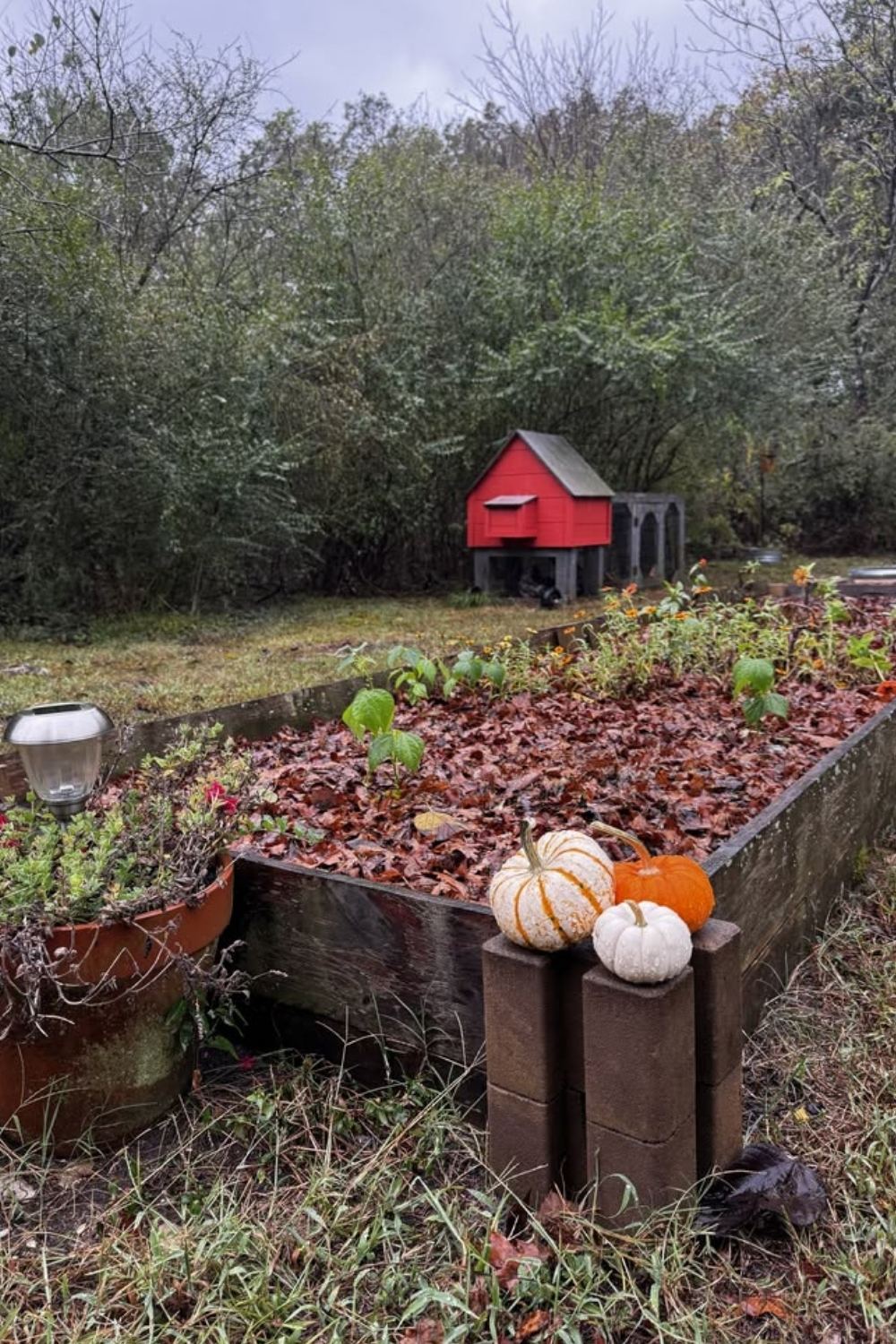
Leaves are the biggest job in the garden in November, and also free mulch and compost. Mow them into the lawn, spread chopped leaves over beds and around shrubs, add them to the compost or pile them into a wire cage for leaf mold. These better ways to use fall leaves walk through each option, from easiest to slowest.
Done when: no leaves are headed to the curb.
5. Prep beds for winter
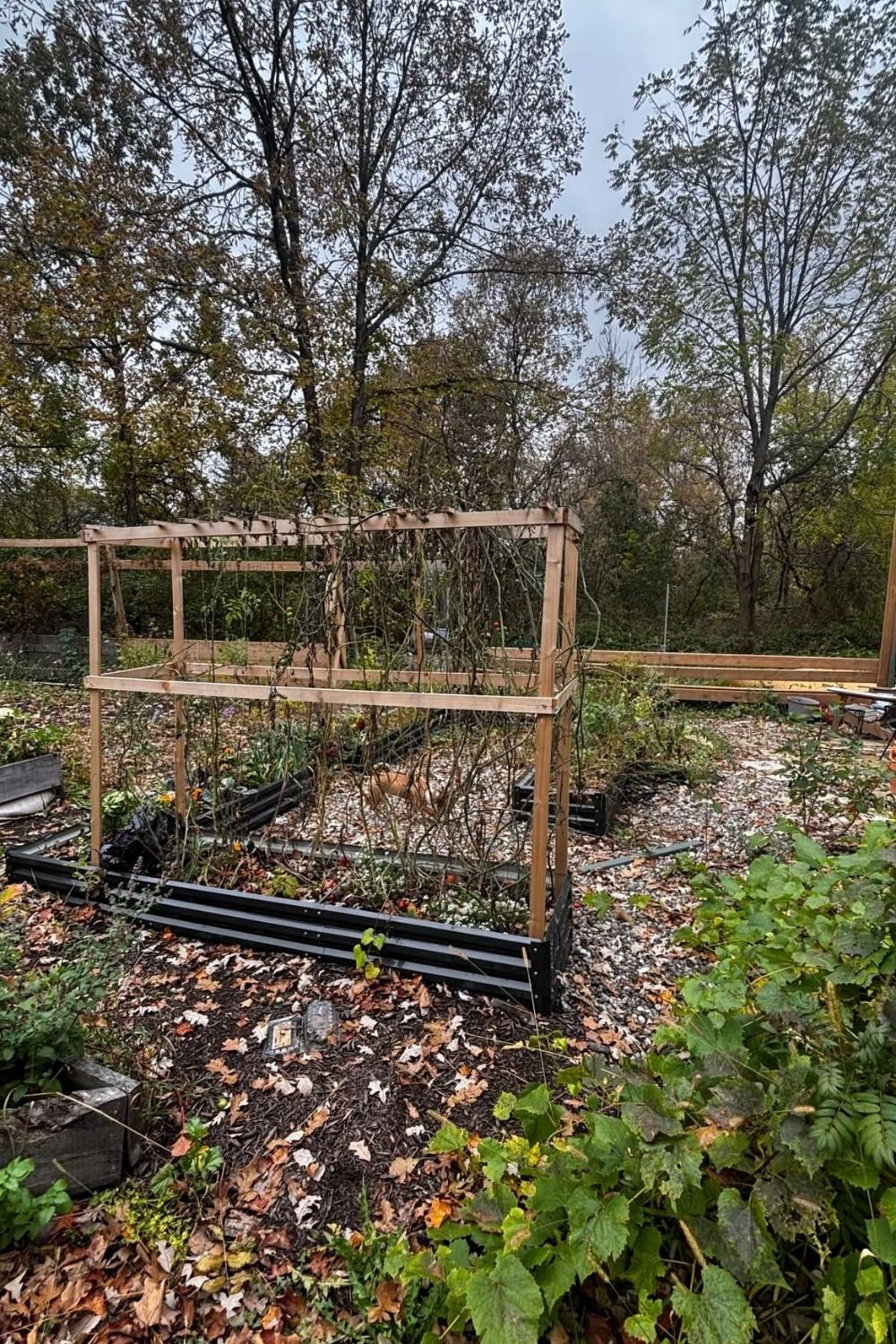
Bed prep is the biggest part of November gardening in a vegetable plot. Empty beds shouldn’t sit bare all winter. Pull diseased plants, cut healthy ones at the soil line and leave the roots in, then spread an inch or two of compost and cover it with leaves, straw or cardboard. Raised beds may need topping up after the soil has settled, and wooden frames are worth checking for loose corners; this look at whether raised garden beds are worth it covers the basics. For the full process, bed by bed, see how to prep garden beds for winter.
Done when: every empty bed is fed and covered.
6. Set up cold frames for winter greens
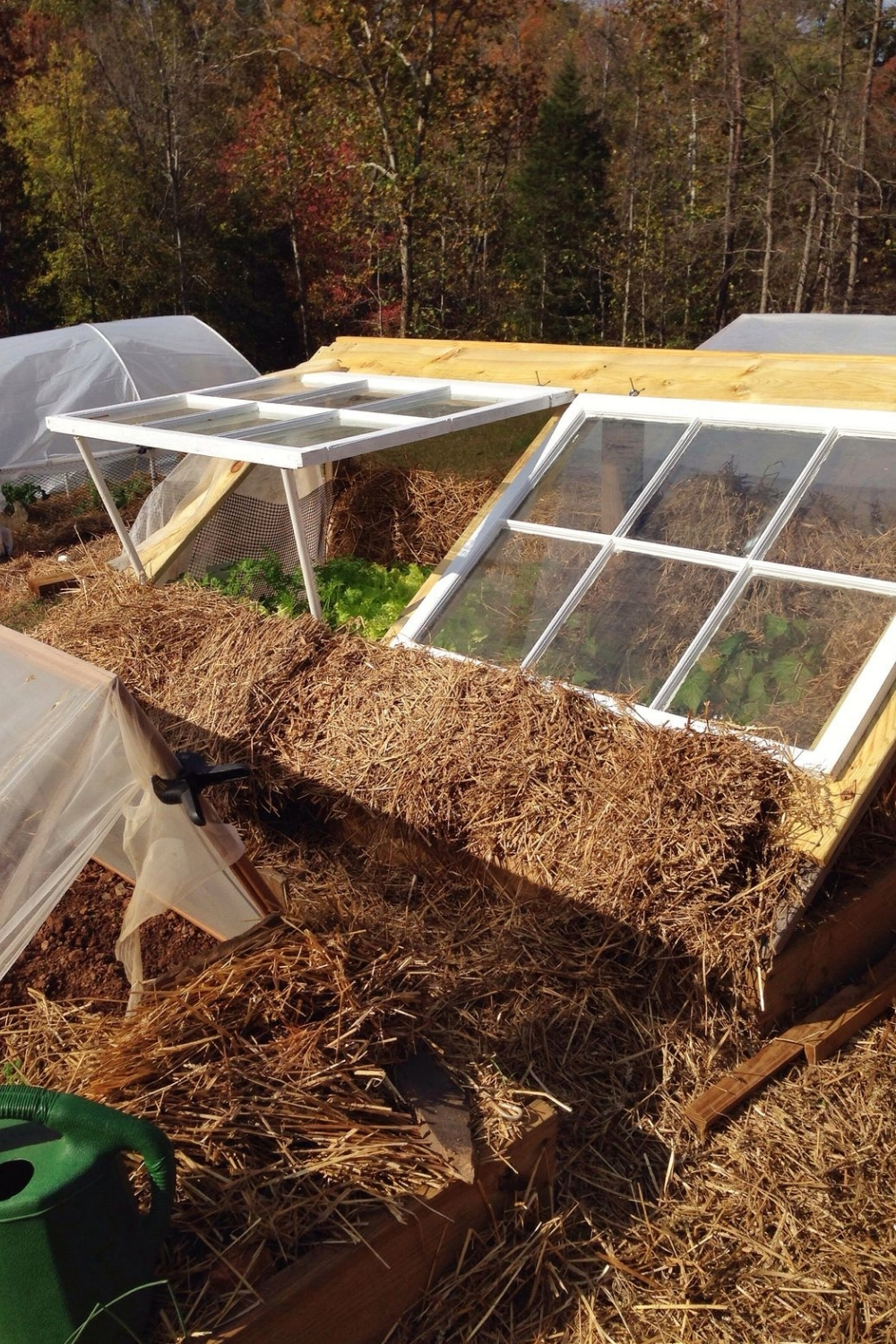
Greens planted in late summer and early fall can keep going all winter under cover. A cold frame doesn’t have to be fancy: straw bales stacked around a bed with old windows laid on top work surprisingly well, since the bales insulate the sides and the glass lets in sun.
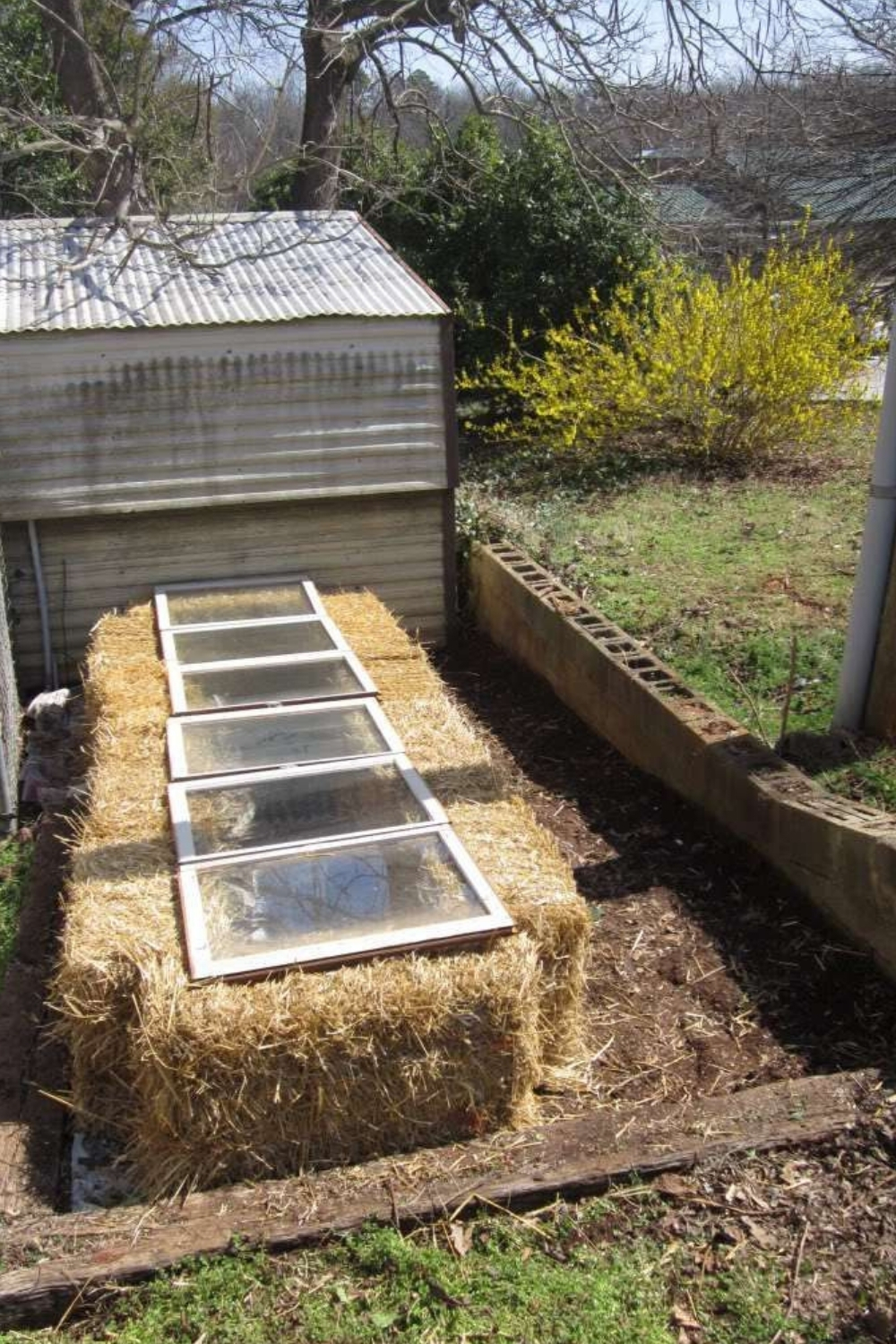
Set them up now, while the soil still holds a bit of warmth, and remember to prop the lids open on sunny days. These winter vegetable garden ideas cover which crops last and how frames and hoops work.
Done when: the beds you plan to harvest from have a lid or a hoop over them.
7. Clean, sharpen and store tools
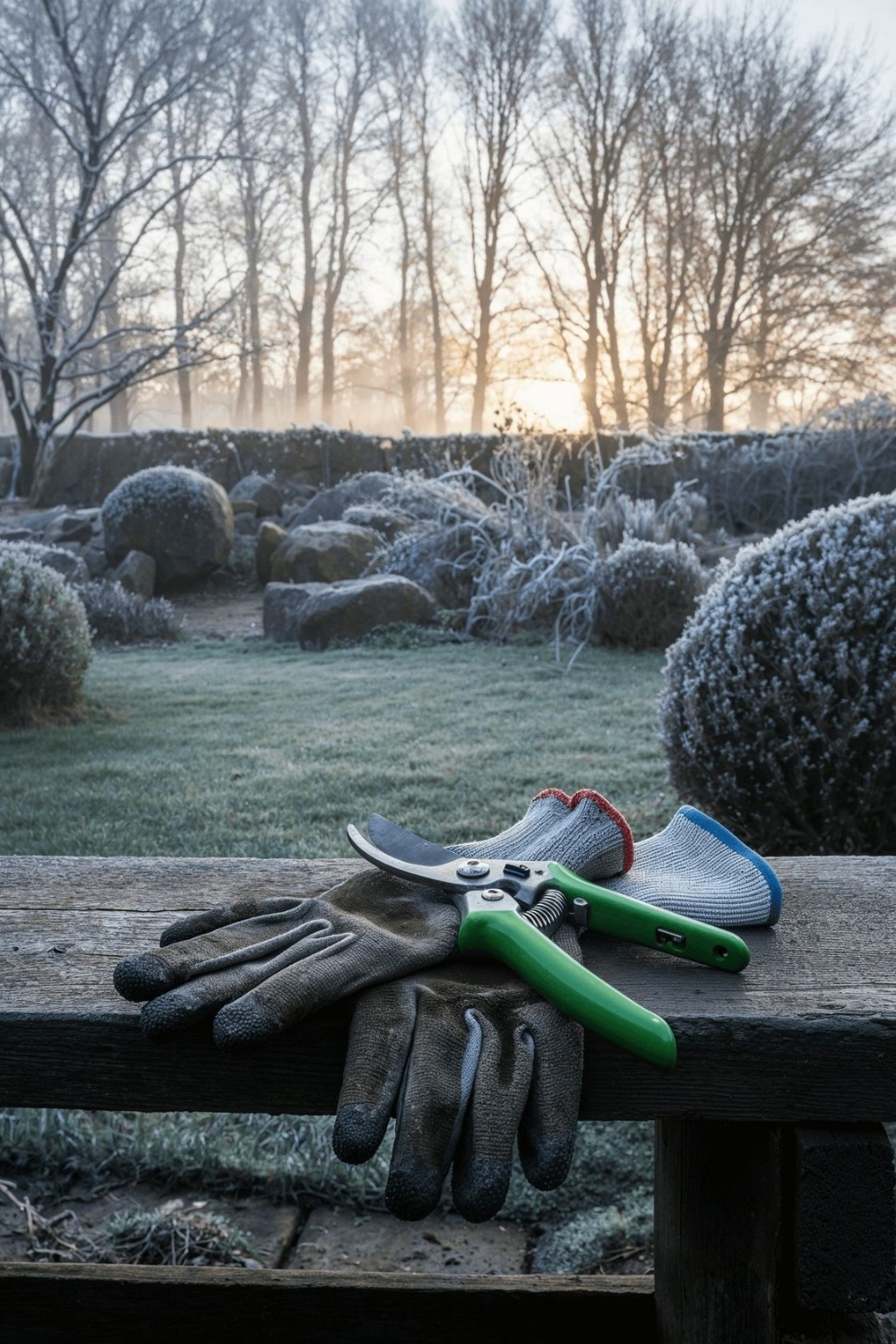
Moving on to the next job on the November gardening list, the one that’s easiest to skip. Scrape and wash the soil off spades, forks and hoes, dry them and wipe the metal with a little oil to stop rust. Sharpen pruners and loppers and wipe the blades clean. According to The Survival Mom’s guide to winterizing garden tools, a bucket of dry sand mixed with a bit of vegetable oil makes an easy storage spot that keeps metal heads coated, and wooden handles last longer with a rub of linseed oil. Lay oily rags flat to dry rather than balling them up, since linseed-soaked rags can catch fire on their own.
Drain and coil hoses and bring them inside, and shut off and drain outdoor faucets so the pipes don’t freeze.
Done when: every tool is clean, dry and hung up.
8. Turn and empty the compost
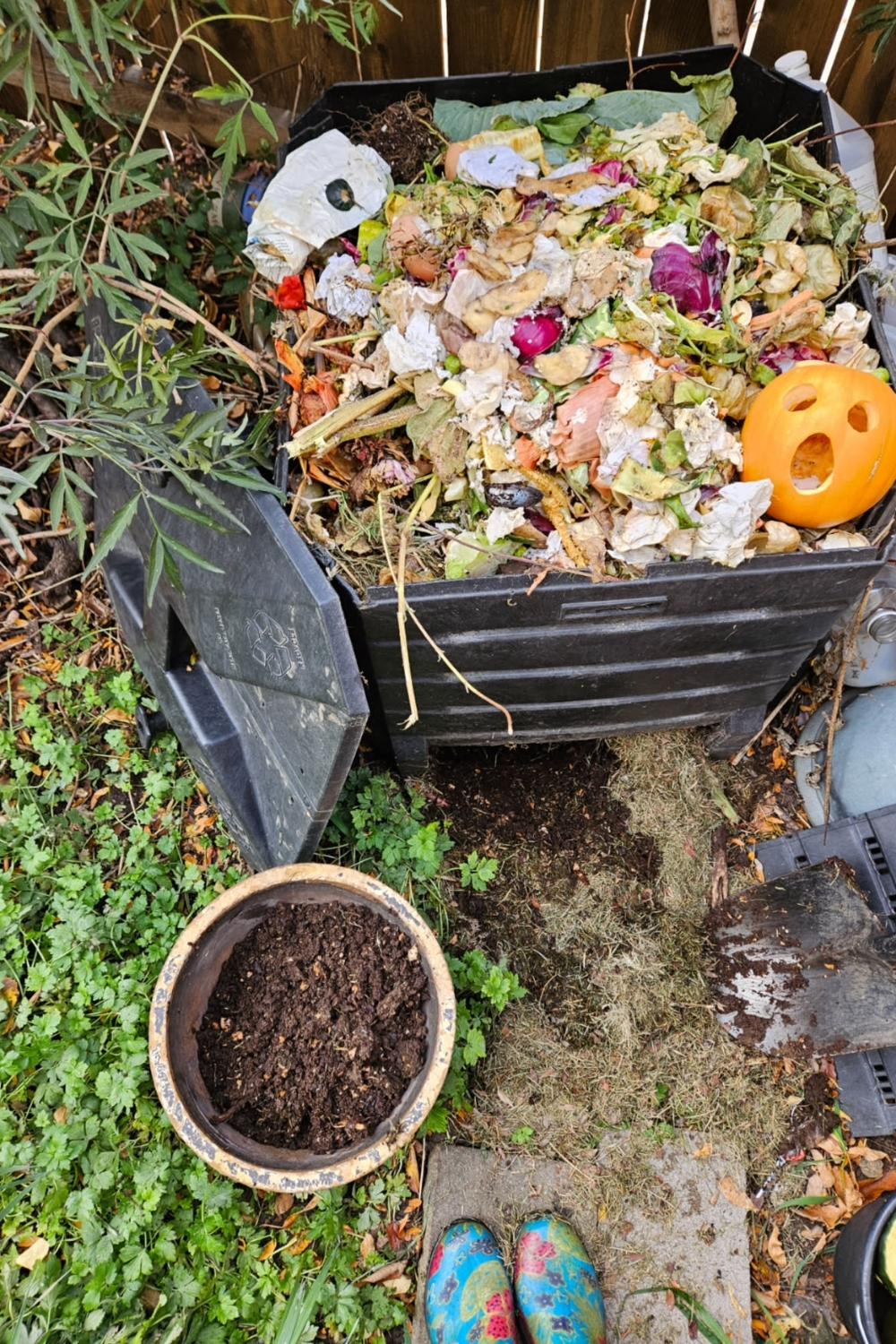
Compost is the most overlooked part of fall garden cleanup. Before the pile freezes, dig out any finished compost from the bottom and spread it on the beds. Then turn what’s left, mixing the fresh kitchen scraps on top with dry leaves so the pile stays balanced through winter. A pile that goes into winter well mixed starts working again quickly in spring. Add a thick layer of leaves on top as a lid. Halloween pumpkins can go in too, chopped into pieces so they break down faster.
Done when: the finished compost is out and the pile is turned and topped with leaves.
9. Plant the last bulbs and garlic
The last item on the November garden checklist is planting. Spring bulbs can go in the ground right up until it freezes solid, as long as you can still dig. Tulips in particular are happy with a late planting. This guide to planting fall bulbs for spring color covers depths and spacing. Garlic is the other late crop, and when to plant garlic in fall explains why a few weeks before the ground freezes is ideal.
Trees and shrubs can still go in too, while the soil is workable. This guide to the best time to plant hydrangeas explains why fall is good for them.
Done when: the bulb bags in the garage are empty. Any stragglers can go in pots for the porch, or whatever.
Why a November garden checklist pays off
Most of these garden tasks in November feel small on their own, a cover here, a bucket of tools there. Together they decide what spring looks like. The beds that got compost and a blanket of leaves this month will be the first ones ready in March. The pots that came inside will be the first ones back out. I don’t know, man, a garden feels good that goes to sleep tidy, with the tender bits tucked in and the seed heads left standing for the birds.