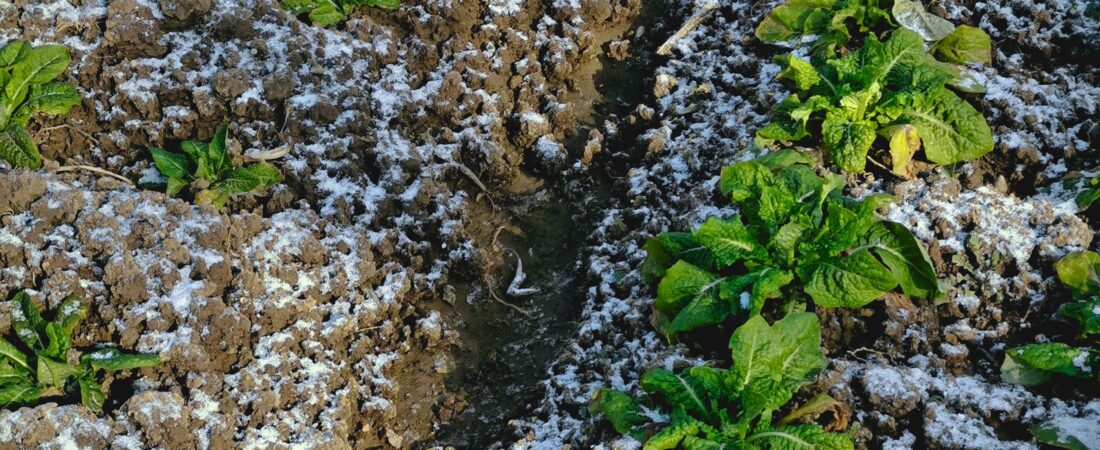

Most people picture a winter vegetable garden as something you plant in winter. That’s the part that trips them up. Almost nothing grows in December; the days are too short and too cold. A winter garden is planted in late summer and fall, grows to nearly full size before the cold sets in, and then sits in the bed, alive and fresh, waiting to be picked. The garden works more like a refrigerator than a factory.
What is a harvest window, and why does it matter?
The harvest window is the stretch of time when a crop is ready to pick and still holds up in the bed. For winter crops, that window is long, sometimes from November to March, because cold slows everything down. Plants barely grow, but they don’t spoil either.
That’s also why timing is everything. Once days drop below about ten hours of daylight, which happens in late fall across most of the US, growth nearly stops. Whatever size your kale and spinach reach by then is roughly the size they stay until late winter. Plant too late, and the bed holds tiny seedlings all winter rather than a harvest.
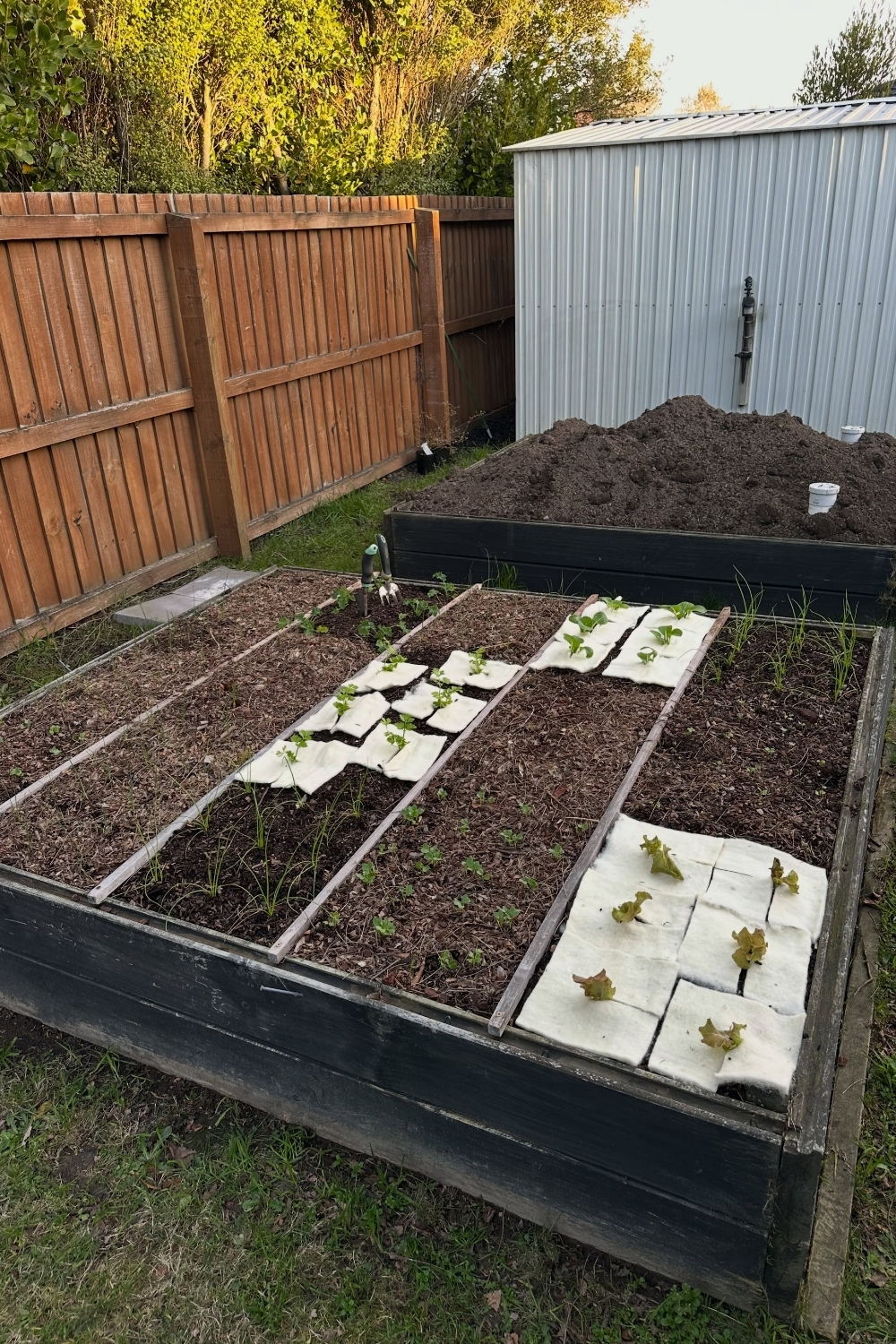
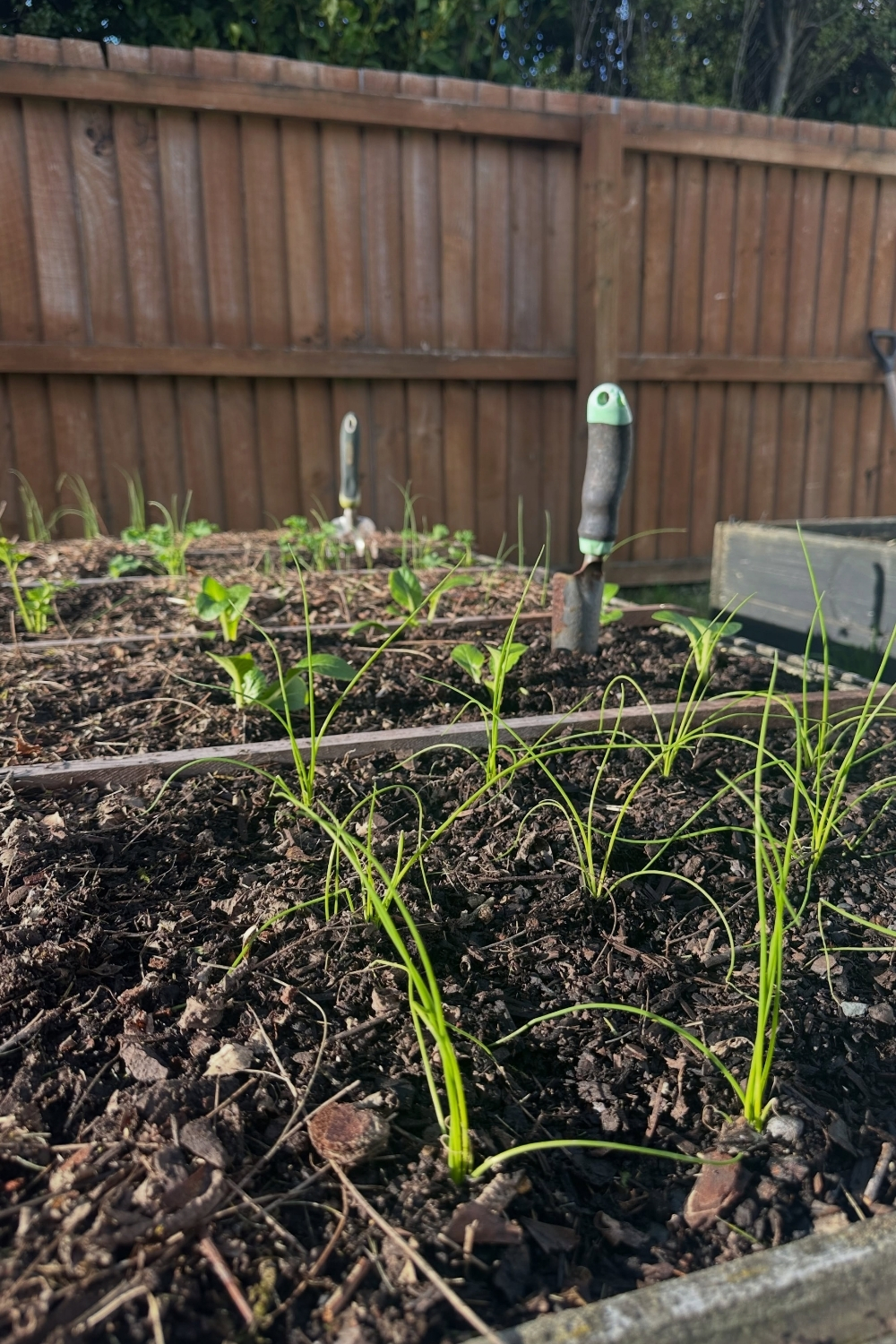
According to this profile of Niki Jabbour’s year-round garden in Nova Scotia, she plants carrots, kale and beets in midsummer and most salad greens in fall, treating winter as a second planting season that’s planned in summer. In practice, that means sowing roots and kale in July or August, with a few late extras from this list of what to plant in October, and spinach, lettuce and other greens four to six weeks before the first expected frost. Seed tape or paper seed mats, with seeds already spaced on a strip of biodegradable paper, make those late sowings faster.
Which cold hardy vegetables last the longest?
Some cold hardy vegetables shrug off hard frost. Pam Dawling, who grows winter vegetables on a large scale in Virginia, keeps a detailed list of winter-kill temperatures for cold-hardy vegetables, the point at which unprotected plants die. Her numbers vary by variety, but they show which winter garden vegetables are worth the effort.
Kale
Hardy to: about 5–15 °F unprotected, depending on variety. Pick until: late winter.
Kale is the backbone of a winter vegetable garden, and the easiest of all winter garden vegetables to grow. Frost makes it sweeter, since the plant turns some of its starches into sugars that work like antifreeze in its cells. Pick the lower leaves and let the top keep producing.

Spinach
Hardy to: around 5–10 °F for savoy types, the ones with crinkled leaves. Pick until: spring.
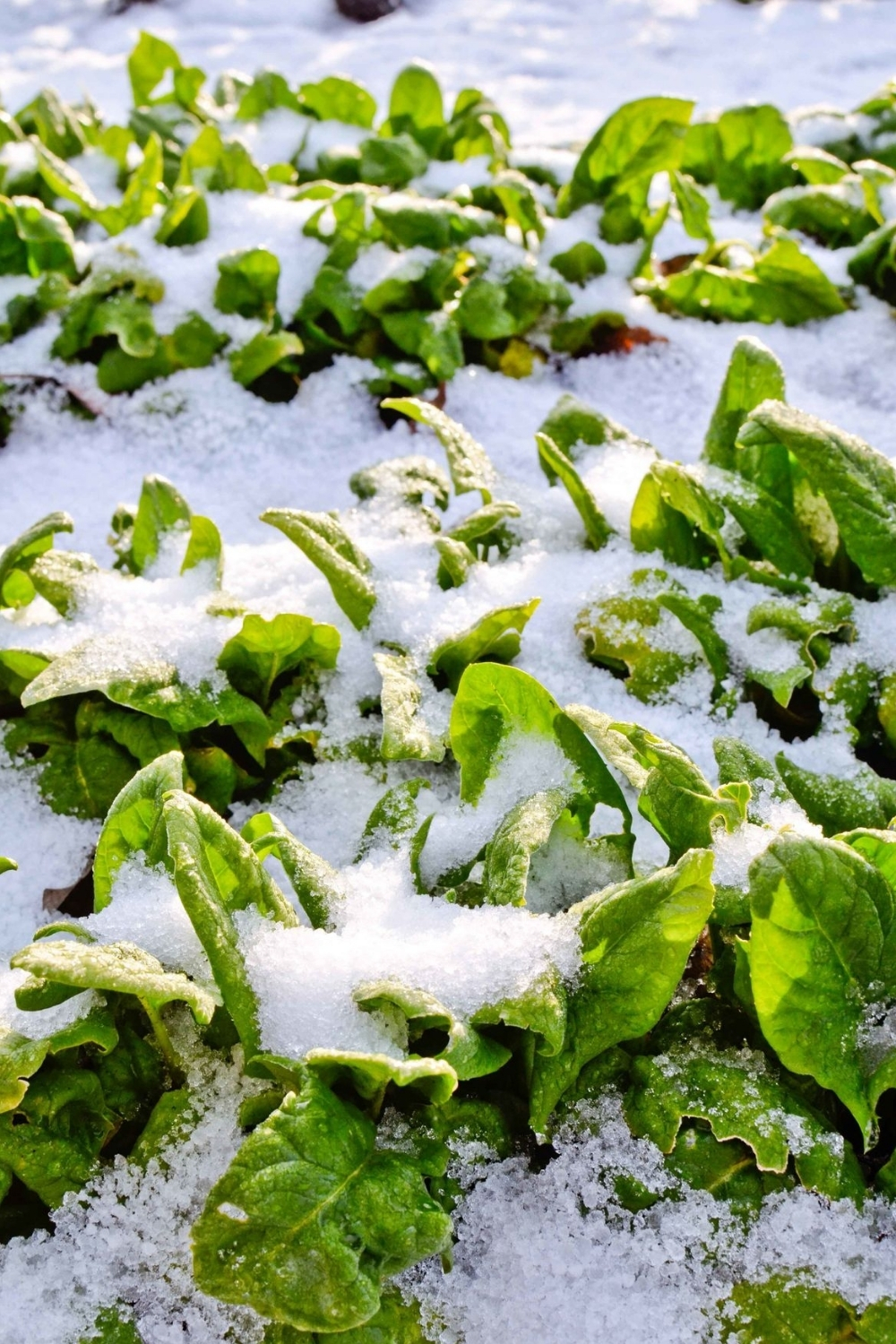
Spinach planted in early fall often survives the winter even in the open, flattened by snow and bouncing back on the first mild day. Covered, it keeps producing small leaves all winter and takes off again in March.
Mâche, lettuce and chard
Hardy to: mâche about 0 °F; lettuce and chard from the low 20s down to about 10 °F, depending on variety. Pick until: mâche through winter; lettuce and chard into December or later under cover.
Mâche, also called corn salad, is a small, rosette-shaped green with a mild, nutty taste, and it’s one of the toughest salad crops there is. Lettuce is more tender, but small plants and winter varieties handle far more cold than big heads, especially under frost cloth or a cloche. Green chard is hardier than the brightly colored kinds.
Carrots, leeks, cabbage and scallions
Hardy to: carrots, leeks and many cabbages around 10–20 °F above ground; much colder under mulch. Pick until: spring for carrots and leeks.
Carrots are the easiest crop in any winter vegetable garden, since they store themselves in the ground. Leeks stand in the row for months. Savoy and January King type cabbages are among the hardiest heads. Hardy scallions, like White Lisbon and Evergreen Hardy White, keep going all winter.
What does a cold frame actually do?
A cold frame is a bottomless box, usually wood, with a clear lid of glass or plastic angled toward the sun. Cold frame gardening works on a simple idea: sunlight passes through the lid and warms the soil and air inside during the day, and the soil gives some of that warmth back at night. The box also blocks wind, which on its own takes a lot of the bite out of a cold night.
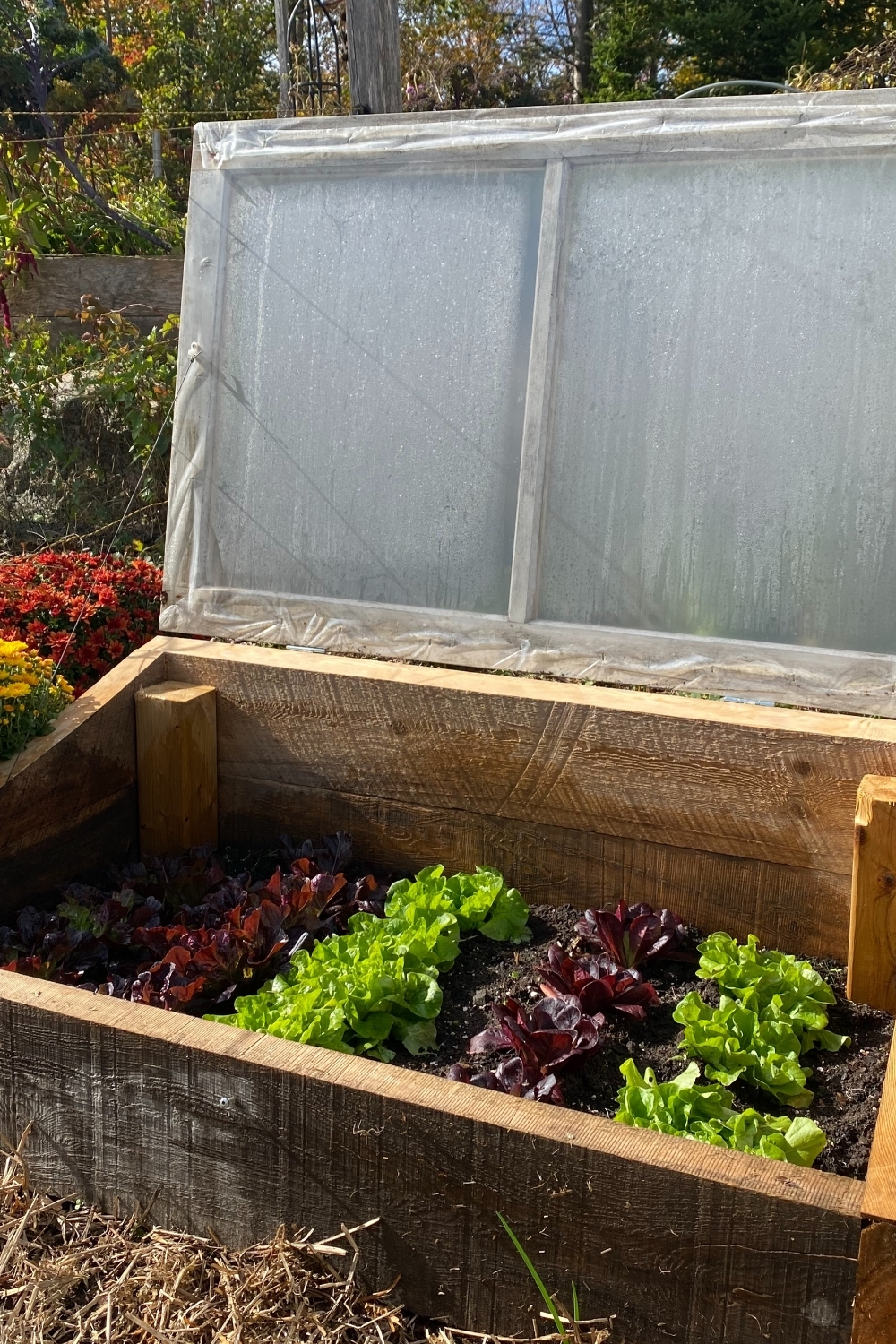
A frame doesn’t heat anything. On a long, bitter night, the inside will still freeze, but by a few degrees less, and the hardy greens inside handle that easily.
The one rule: open the lid on sunny days. Even in midwinter, a closed frame in direct sun can climb past 80 °F and cook lettuce in an afternoon. Prop the lid when the outside temperature is above freezing and the sun is out, and close it again in midafternoon to trap the warmth for the night. After snow, brush it off the lid so light can get in.

How do you protect plants from frost in an open bed?
Low hoops are the cheapest way to protect plants from frost in a winter vegetable garden. Bend lengths of PVC pipe or metal hoops over a raised bed, about every 3 to 4 feet, and drape a cover over them. In fall, frost cloth, the light white fabric that lets in light and rain, is enough. Once real cold arrives, add a layer of clear greenhouse plastic over it, or switch to the plastic alone, and hold the edges down with bricks, sandbags or clips.

A hooped bed like this is essentially a mini greenhouse you can build in an afternoon. Vent it on warm, sunny days the same way you’d open a cold frame, by lifting one side. Covers also keep deer and rabbits off the greens, which in a lot of yards matters as much as the cold.
What about carrots in frozen ground?
The trick with root crops is keeping the soil above them from freezing solid, the same idea behind how to prep garden beds for winter. In late fall, cover carrot, beet and parsnip rows with a thick blanket of straw or shredded leaves, around a foot deep, and hold it down with an old sheet or a piece of frost cloth. The soil underneath stays workable for most of the winter. When you want carrots, pull back the mulch, dig what you need and tuck the cover back. Leeks can get the same treatment along the base of the stems.
Actually, scratch that idea of digging on the coldest day of the year; wait for a milder afternoon, when the top inch of soil has thawed.
Where should a winter vegetable garden go?
Close to the kitchen door, if at all possible. Nobody wants to cross a snowy yard in the dark for a handful of spinach, and a winter garden by the back steps actually gets picked. Choose the sunniest spot you have, since the low winter sun throws long shadows, and a bed that gets full sun in June may sit in the shade of a fence or the house by December. A south-facing wall is ideal; it shelters the bed from north winds and reflects a bit of extra warmth.
Raised beds make the best winter garden beds because they drain fast, and soggy, frozen soil kills more winter crops than cold alone. One raised bed of 4 by 8 feet, split between kale, spinach, mâche and lettuce, with carrots and leeks along one end, keeps a family in greens for most of the cold months. This look at why raised garden beds are worth it covers the build, and these kitchen garden ideas show how a winter bed fits into a year-round layout.
Can you grow winter greens on a balcony or indoors?
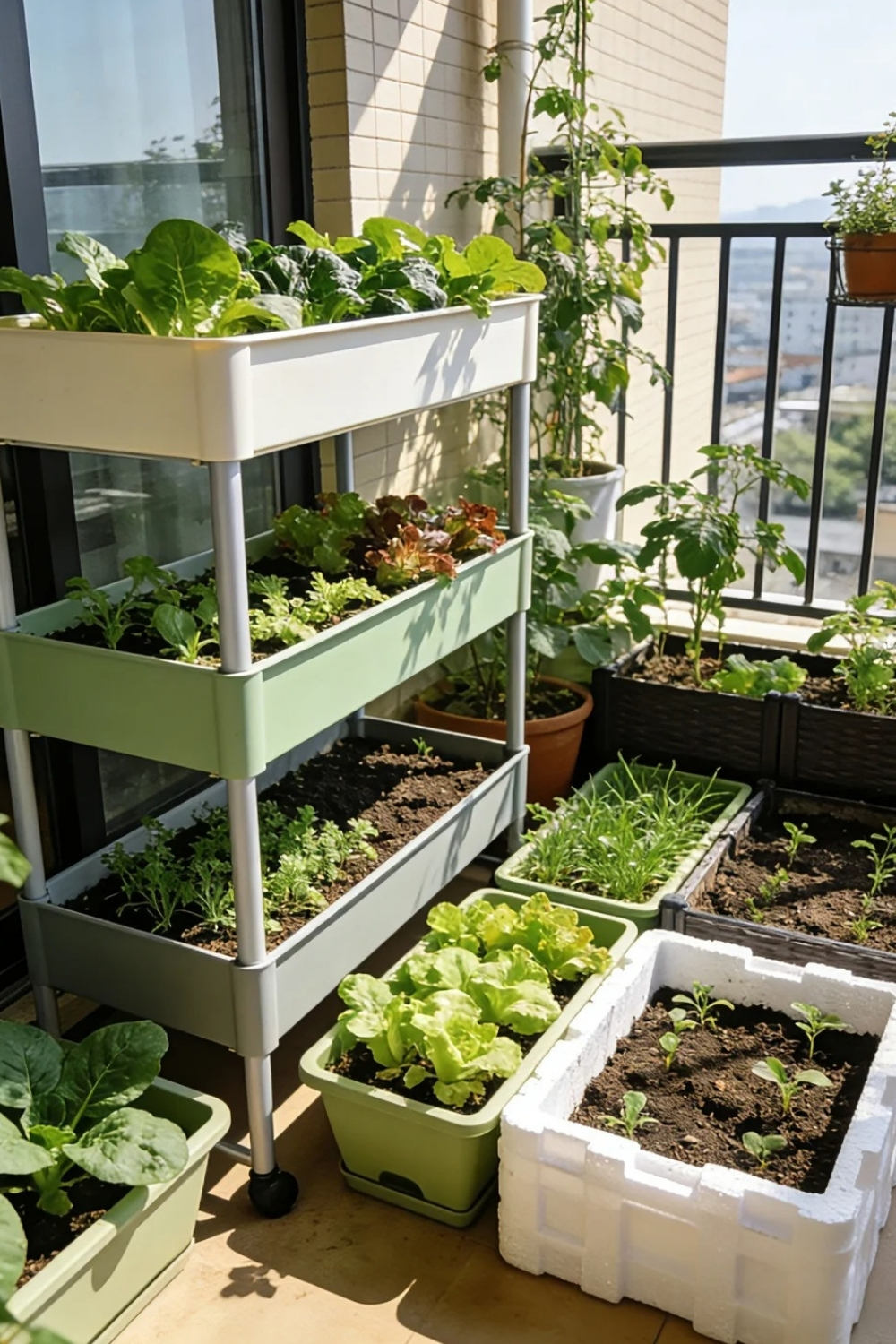
Yes, on a smaller scale. A sheltered balcony stays a few degrees warmer than an open yard, especially against a wall. Shelving units with window boxes or long troughs hold lettuce, spinach, arugula and scallions, and wrapping the shelf in clear plastic on cold nights turns it into a makeshift cold frame. These vertical gardening ideas for a small patio or balcony show more ways to stack containers when floor space is tight.

A bright, cool room indoors works too, as long as the trays sit right by a south or west window, or under a grow light. Green onions regrow from store-bought roots, and pea shoots, microgreens and cut-and-come-again lettuce, or whatever greens your family actually eats, are quick enough to be worth it.
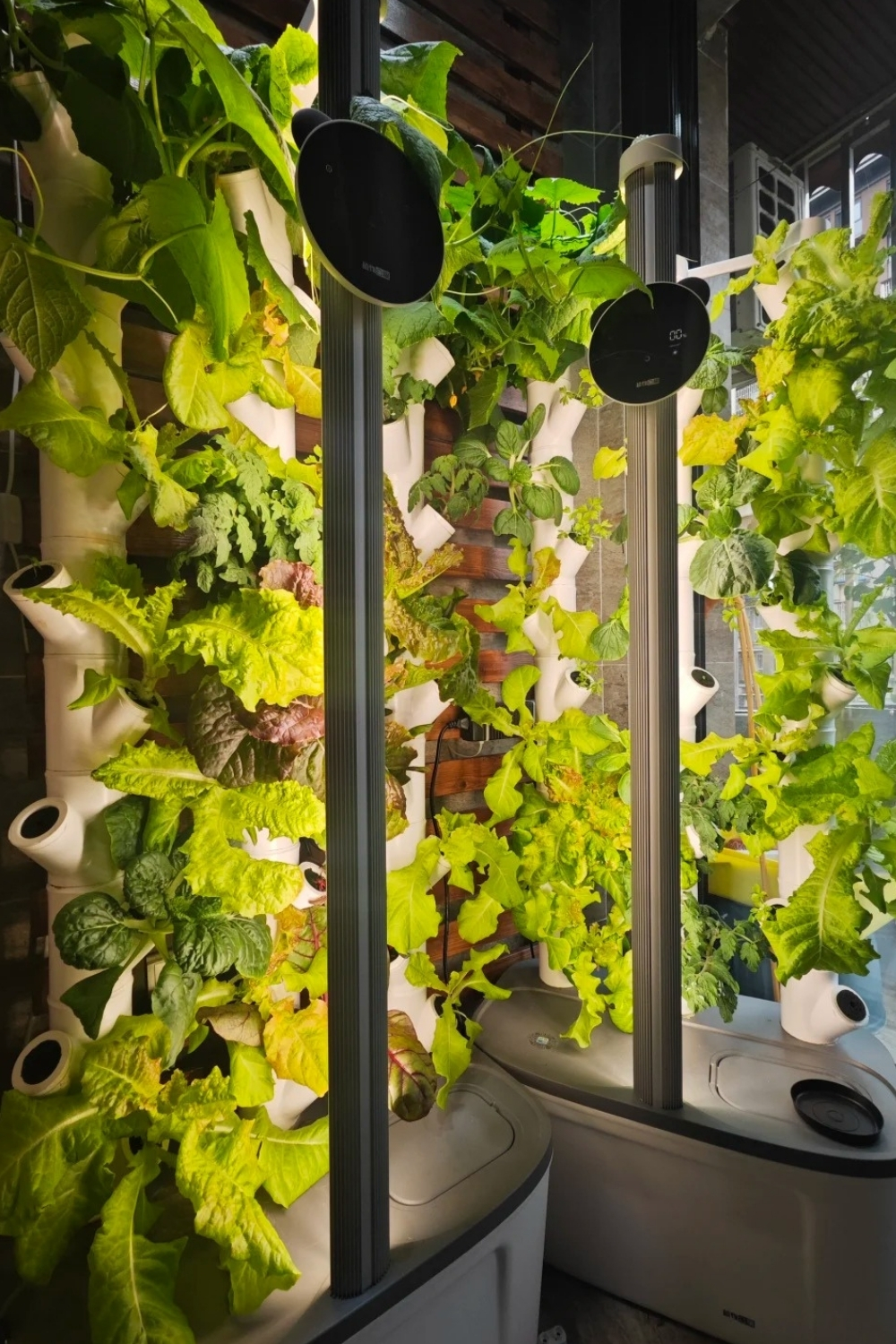
Indoor vertical towers that grow plants in water with built-in lights go a step further, producing heads of lettuce and herbs all winter on a few square feet of floor. They cost more up front but take the weather out of the equation completely.
Is snow bad for a winter garden?
Usually not. Snow is one of the best insulators a winter garden has, since it traps air between its flakes the way a down jacket does. Under a few inches of snow, the soil and plants stay close to freezing even on nights far below zero. Kale, spinach and leeks covered in snow often come out looking better than ones left exposed to icy wind.
The one thing to avoid is picking frozen leaves. A frozen leaf is full of ice crystals, and handling it bruises the cells, so it turns to mush once it thaws. Wait until the plants have thawed, usually by late morning or early afternoon on a mild day, then pick. Want salad in January? Say less: pick on a sunny afternoon, from a cold frame, after the frost has lifted.
Plant in late summer, cover before the hard frosts, open the lid on sunny days, mulch the roots, and pick on the mild afternoons.