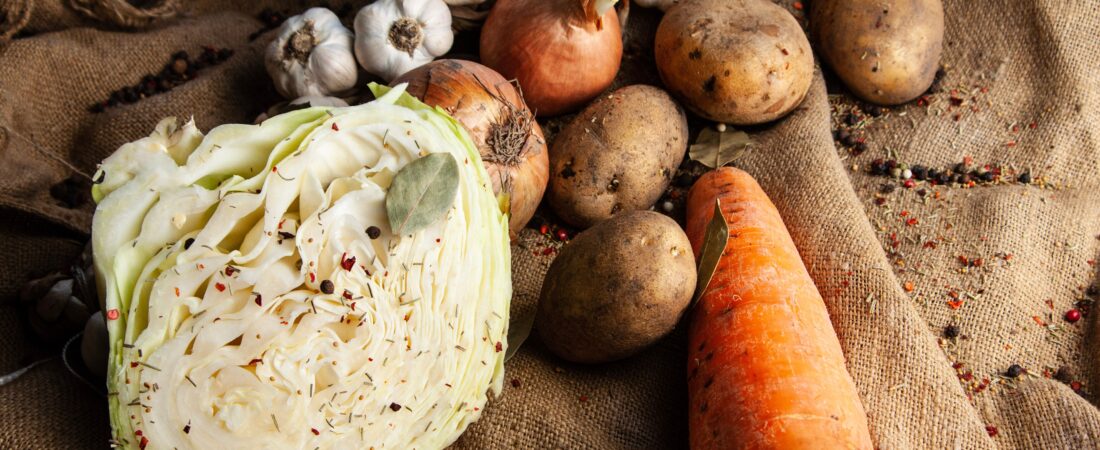
Push a spade into the bed. If it still slides in without hitting frozen crust, and the first hard freeze in your area is at least four weeks away, you can still plant in October. That’s the whole test for what to plant in October: workable soil, and enough weeks for roots to settle before the ground locks up.
October planting works better than it sounds. The soil still holds summer warmth, so roots grow fast, while the cool air keeps leafy crops from bolting. Most of the summer pests are gone, too: no flea beetles chewing holes in the radishes, no cabbage worms on the brassicas. “Before the ground gets cold” really means a window of a few weeks in which the soil is still warmer than the air, and it closes earlier the farther north you are.
Two numbers decide how long that window is. Your hardiness zone tells you how cold winter gets, and your average first frost date tells you when it starts. A local extension office or an online frost date lookup by ZIP code gives the second one in a few seconds. Count back four to six weeks from the first hard freeze, and that’s your planting window. Not a calendar date, just a count of weeks.

What to plant in October that sleeps through winter
These are the crops that make October planting worth the effort. Spring flowers follow the same calendar, so this is also the month to plant fall bulbs. They root now, sit quietly under mulch through the cold months, and take off as soon as the soil warms in spring, weeks ahead of anything sown then.
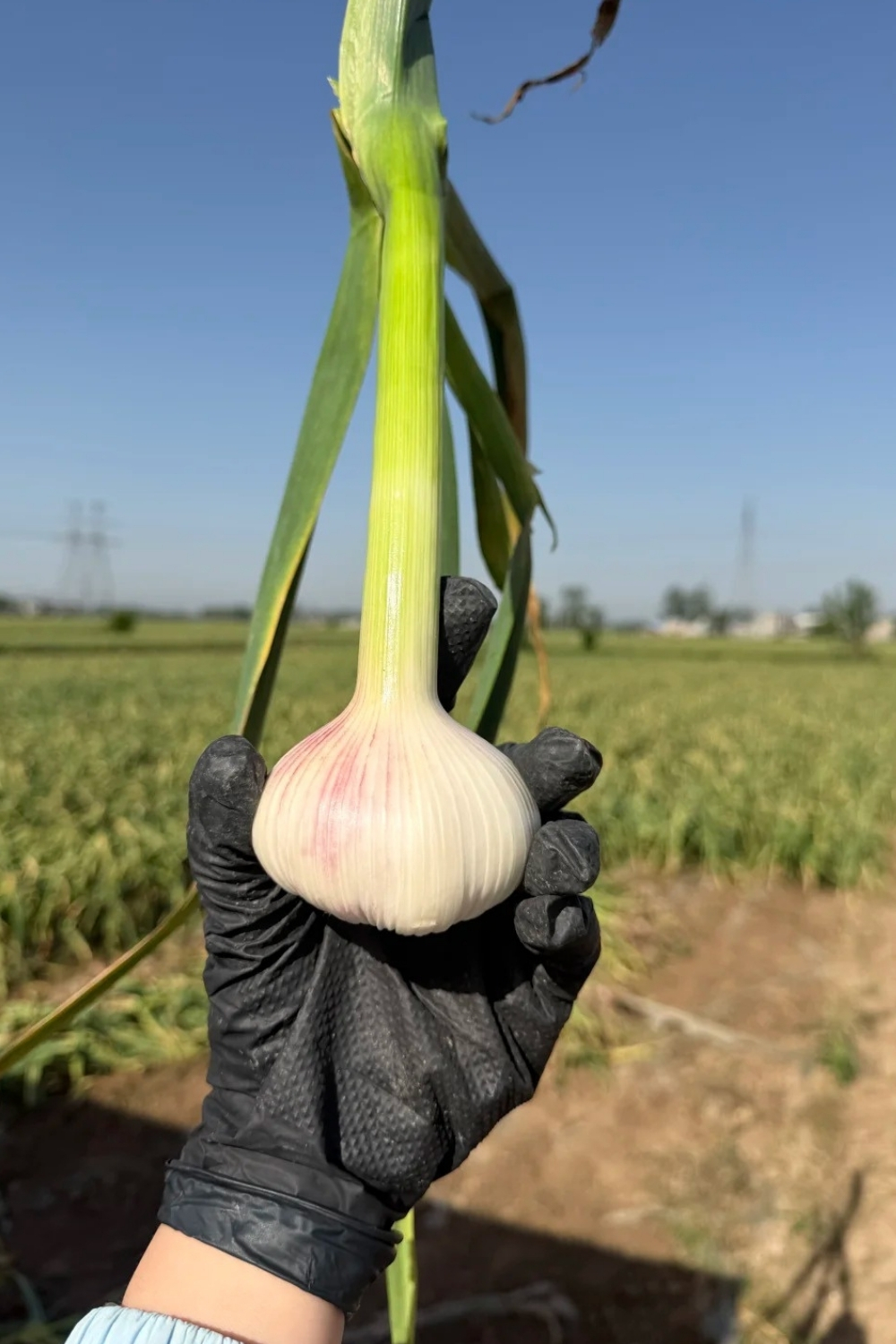
Garlic (Allium sativum) is the classic, with its own guide on when to plant garlic in fall. Most growers plant in October, northern growers a bit earlier and southern growers as late as December, and it grows in zones 4–9 with a thick mulch in the colder end of that range. Each clove planted now becomes a full bulb by early summer. The details of spacing, depth and choosing hardneck or softneck types deserve their own post, so here only the timing matters: get it in a few weeks before the ground freezes. Buy seed garlic from a nursery or seed company rather than the grocery store, though. Store garlic is sometimes treated to stop sprouting, and it may be a type grown for a much milder climate than yours.

Onion sets (Allium cepa) and shallots go in the same way, pointed end up, just below the surface. According to Epic Gardening’s list of crops to plant in October, onions planted in fall do well in zones 5–10 and need a winter mulch in zone 6 or colder. Fall-planted sets tend to give an earlier harvest and are often used as green onions in spring, then left to bulb. Pick small sets, about the size of a marble, since big ones are more likely to bolt and flower instead of forming a bulb. One note for dog and cat owners: onions, garlic, leeks and shallots are all toxic to pets, so keep a curious dog out of the bed and don’t leave sets lying around.
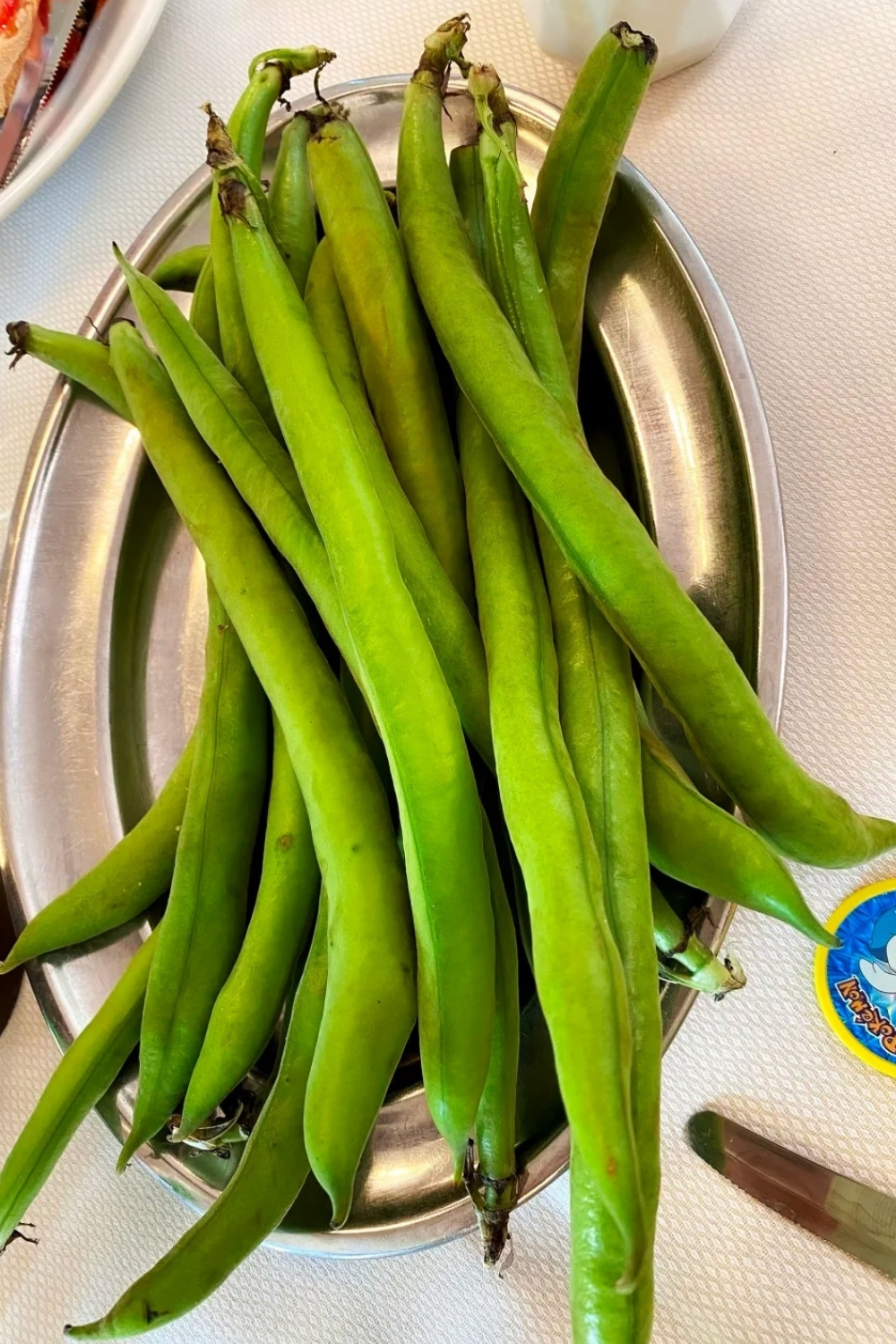
Fava beans (Vicia faba) are the odd one out, a bean that likes cold. Cold-hardy varieties such as ‘Aquadulce Claudia’ handle frost down to about 14 °F, which makes fava a good choice to plant in October in zone 6 and warmer, with a layer of row cover on the coldest nights. Sow them 5–6 inches apart, and sow a little extra seed compared with spring to make up for winter losses.
Asparagus (Asparagus officinalis) crowns can go in during fall only in mild zones, roughly 8 and up, and only in soil that drains well, because crowns sitting in cold, wet ground rot. Everywhere else, spring is the better time. Either way, asparagus is a patience crop: the first light harvest comes after a couple of seasons, and the bed then produces for many years.

Which crops planted in October are ready before the first hard freeze?
Quick crops you plant in October fill the gap between the end of summer harvests and the first freeze. Beds that won’t get a fall crop can be prepped for winter with compost and mulch, and the rest of the end-of-season jobs are on this November garden checklist. Here we go with the three that are hardest to get wrong:
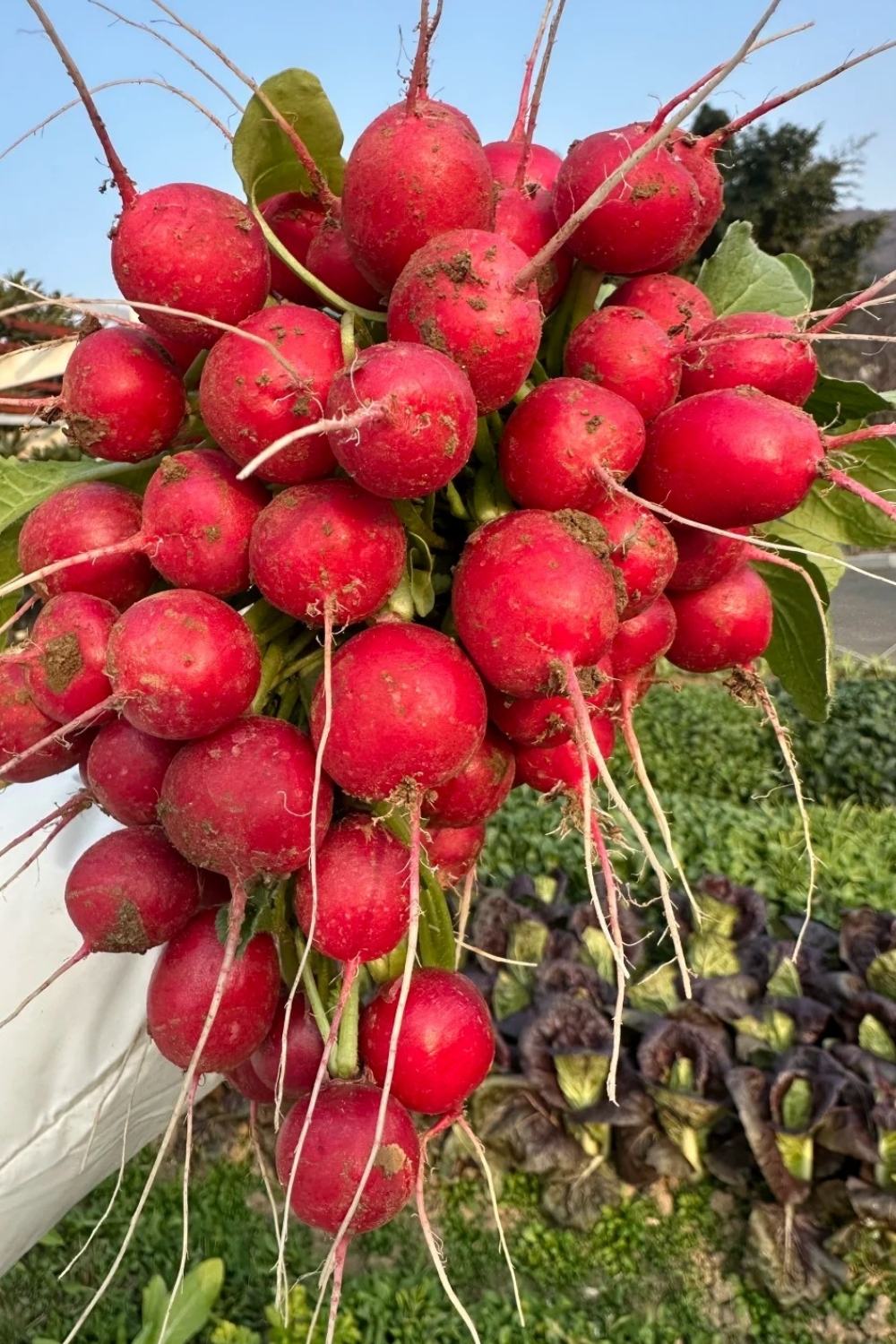
- Radishes (Raphanus sativus): ‘Cherry Belle’ is ready in about 24 days, and radishes keep growing until temperatures stay below about 20 °F.
- Arugula (Eruca vesicaria): ready to cut in about a month, and it survives a hard freeze or two.
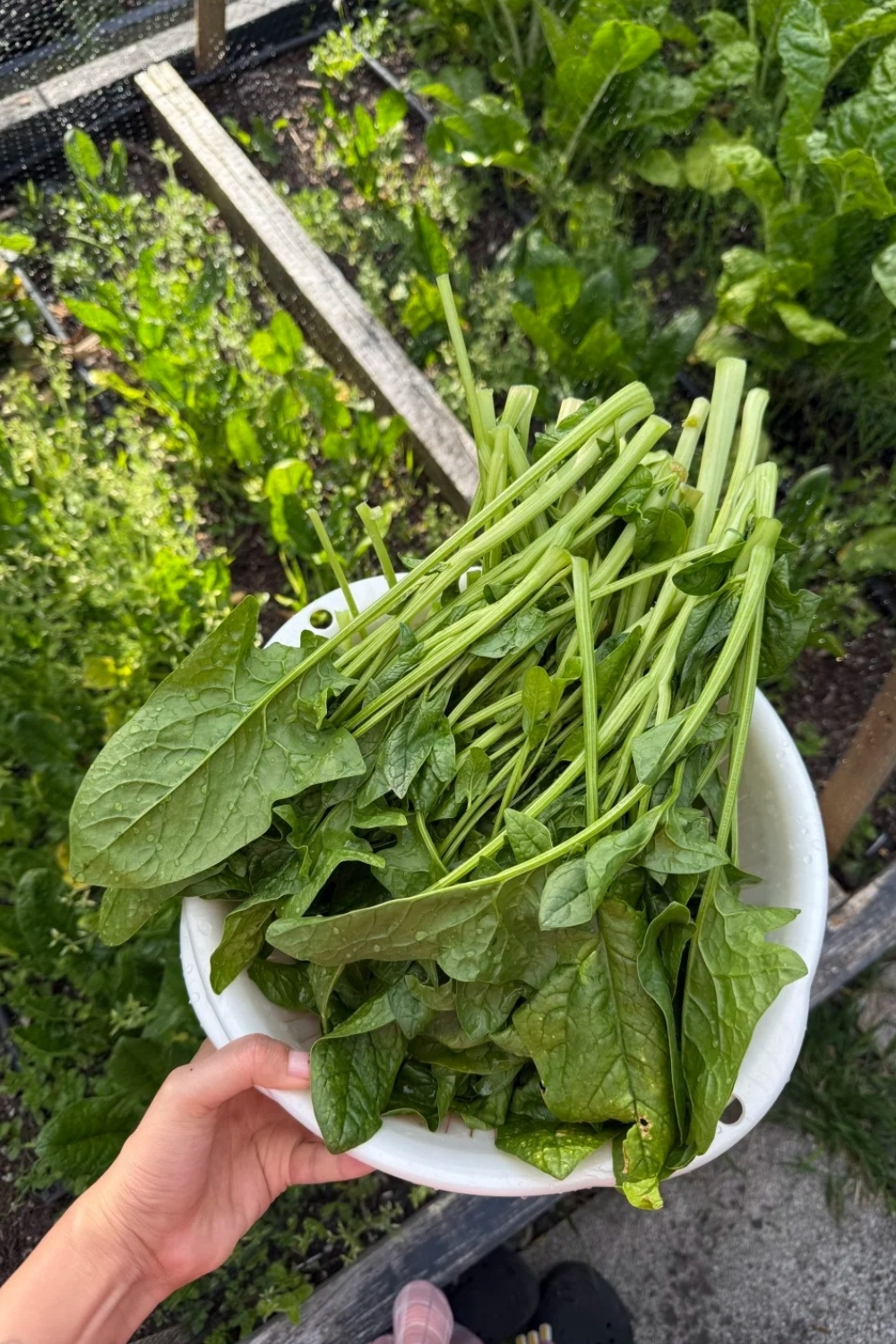
- Spinach (Spinacia oleracea): the toughest of the three, and the only one worth sowing with next spring in mind.
Spinach deserves a closer look, since it’s one of the backbones of a winter vegetable garden. Small plants handle cold far better than big ones. According to market grower Pam Dawling’s notes on fall spinach, small-leaved spinach comes through about 5 °F without damage, while large, savoyed plants can be badly hurt at 10 °F, and a layer of row cover adds about 6 °F of protection. So spinach sown in October, which goes into winter as small rosettes, often comes through better than the September sowing. It sits through the cold and starts growing again once the air stays above about 40 °F, giving the first salad of spring. October’s cooler soil helps at sowing time too: spinach germinates poorly in hot soil, which is why late-summer sowings so often come up patchy.
Radishes and arugula are easy to stagger. Sowing a short row every week or two while you can still plant in October gives a steady supply instead of one glut that turns woody before anyone eats it.
Cool-season herbs fit into the same window in mild zones: cilantro and parsley both sown now in a sheltered pot will often hold through winter. A few of these space-saving herb garden ideas work well on a cold porch step, where the pots stay a few degrees warmer than the open bed.
Cabbage family transplants for mild zones
From seed, it’s too late for cabbage and its relatives almost everywhere. From transplants, zones 8 and up can still plant in October, since the plants grow through the mild winter and are harvested from late winter into spring.
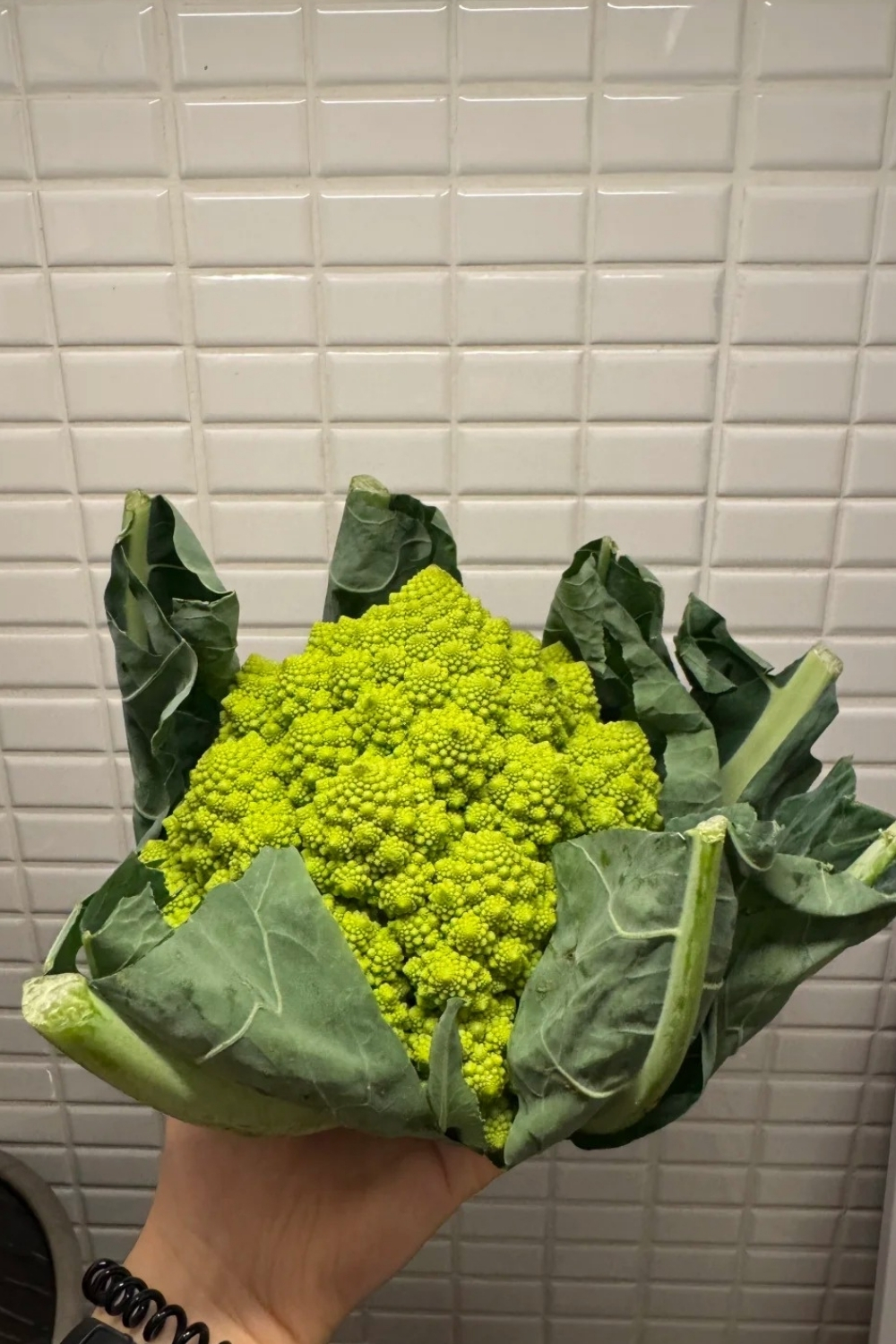
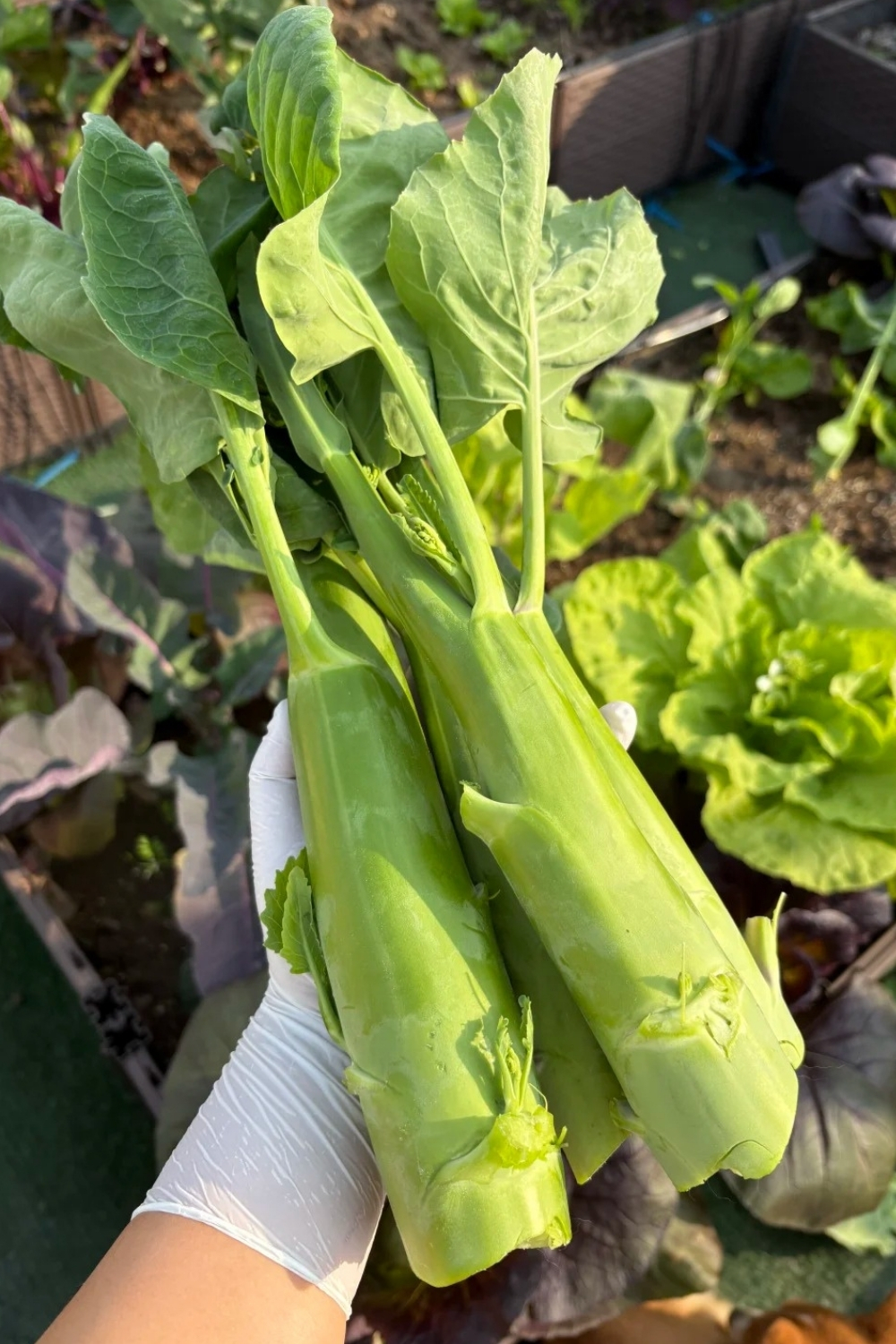
Cabbage, romanesco and cauliflower, kohlrabi and gai lan are all forms of the same species (Brassica oleracea), and they like the same conditions: cool air, steady water, and at least eight hours of sun. Romanesco and cauliflower are the fussiest, since a sudden hot spell or a dry week can make them form small, loose heads. Kohlrabi and gai lan (also called Chinese broccoli) are faster and more forgiving. Water the transplants in well on planting day, and keep a light row cover handy: in warm zones, cabbage worms are still active in October, and the cover keeps the moths from laying eggs on the leaves. That being said, in zone 7 and colder, buying cabbage transplants in October usually means watching them sit still until a hard freeze finishes them.
Leeks, beets and carrots: plant or just keep harvesting?
These three show up on a lot of fall planting lists, although in most of the country October is for harvesting them, not sowing them.
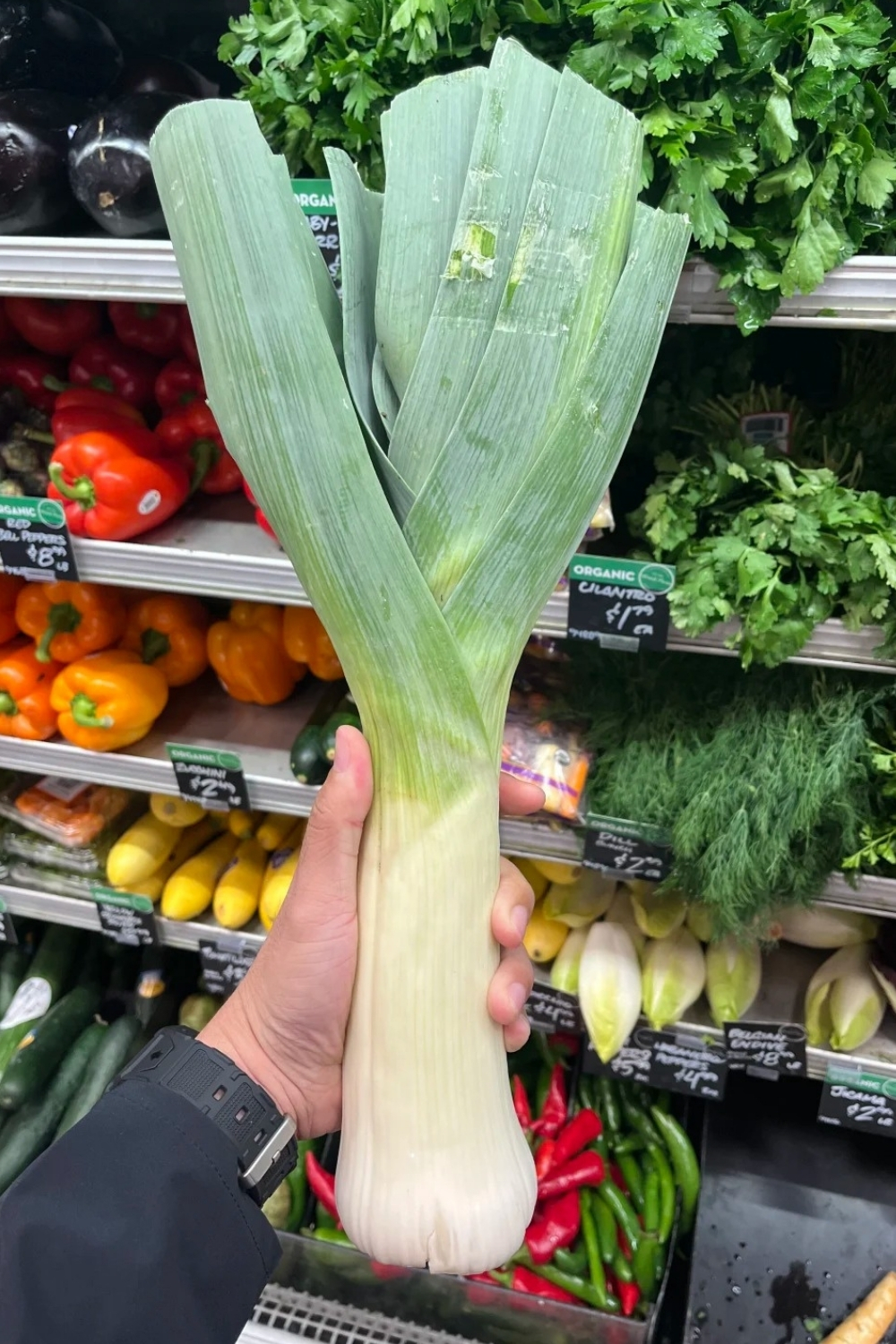
Leeks (Allium porrum) planted in spring or summer are at their best now, and they can stay in the ground well into winter. In zones 6 and warmer, a mound of mulch around the stems keeps them diggable for weeks. Planting in October with new leek transplants only makes sense in mild zones.
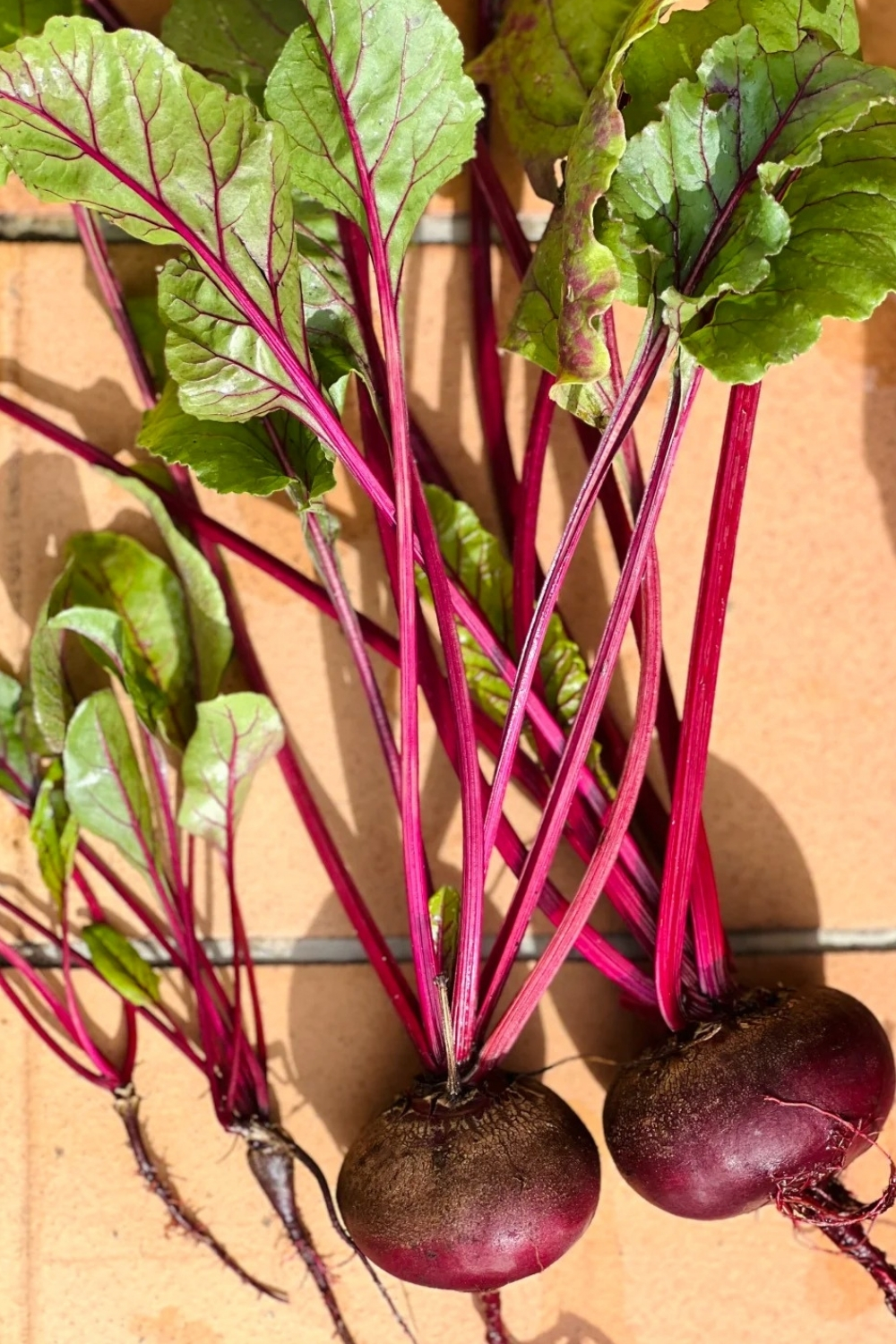
Beets (Beta vulgaris) need about a month of growth before the first frost from sowing, so planting in October from seed works only in zones 8–10. Beets already in the ground can stay until the soil starts to freeze.
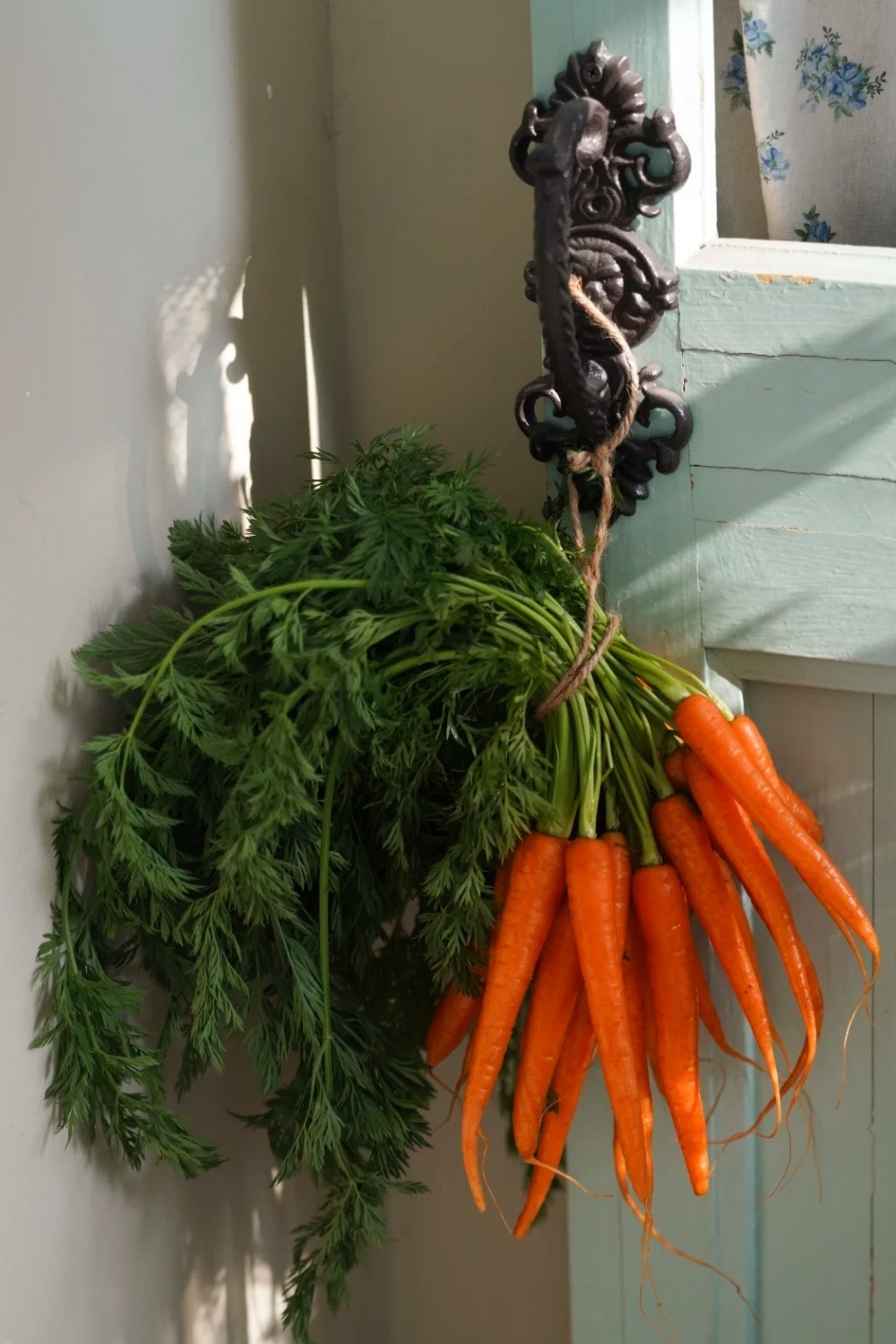
Carrots (Daucus carota) are the best keepers of the three. Leave them where they are, cover the row with a thick layer of straw or shredded leaves, and pull them as needed. Cold nights turn some of their starch into sugar, so the late ones often taste sweeter than the summer harvest.
What to plant in October in your zone
The lists above cover a lot of ground. The next step is to decide which part of it fits your own frost dates. This is one of those things that sounds a little complicated in theory but becomes much easier with experience: after a season or two, the right weeks for October planting in your own garden become obvious.
Zones 3–5
The window is short and often closes in early October. Garlic and shallots are the main October planting jobs here, ideally a few weeks before the ground freezes, then covered with 4–6 inches of straw once the top inch of soil freezes. Spinach sown in early fall can overwinter under row cover or in a cold frame. Fava beans and fall-planted onions are a gamble at this point.
Zones 6–7
Most gardeners in the middle zones can still plant in October: garlic, onion sets, shallots, spinach, radishes and arugula all fit. Fava beans are worth a try in zone 7 and the warmer half of zone 6, with row cover ready for the coldest nights. Cabbage family transplants are usually too late.
Zones 8–10
Here October planting is the main event, not the end of the season. Everything above fits, plus cabbage family transplants, beets from seed, new leeks, fava beans without much fuss and asparagus crowns in well-drained beds. I mean, you get it: the milder the winter, the longer the list.
Mulch and cover once it’s in
Mulch goes on garlic, onions and shallots after the top of the soil freezes, not before. Mulching too early keeps the soil warm and invites rodents to nest in it. Straw or shredded leaves, 4–6 inches deep, is enough. Water the beds deeply before the ground freezes, too, since dry soil freezes harder and roots go into winter thirsty. More mulch doesn’t necessarily mean better protection: piled much deeper, it stays wet against the soil and slows spring warming.
Row cover is the other tool. A light fabric laid over hoops adds a few degrees of protection and is easy to lift on mild days. Raised beds help too, since they drain faster and warm sooner in spring, which matters for crops that spent winter in the ground, and this look at whether raised beds are worth it goes into materials and soil mixes. For deciding where fall crops go in the first place, these kitchen garden ideas cover layout and succession planting.
Too late for everything else on this list? Garlic usually isn’t, as long as the spade still goes in.